Running
When talking about Running, the activity of moving swiftly on foot for sport, health, or competition. Also known as jogging, it serves as a foundation for many longer‑distance challenges and everyday fitness routines. Running is more than just putting one foot in front of the other; it ties together gear choices, training plans, and the mental drive that pushes you across the finish line.
Key Areas to Master
One major branch of Marathon, a 26.2‑mile race that tests stamina, pacing, and mental grit draws countless runners each year. Preparing for a marathon requires a clear Training, structured workouts that blend long runs, speed work, and recovery schedule. When training goes hand‑in‑hand with proper footwear, the risk of injury drops dramatically. That’s where Running shoes, specialized footwear designed to cushion impact and support foot mechanics come into play. Choosing the right pair influences stride efficiency, reduces fatigue, and can even shave minutes off a race time.
Endurance isn’t just a physical trait; it’s a blend of body and mind. Studies show that consistent mileage builds aerobic capacity, while varied workouts improve lactate threshold. This means a runner who mixes steady‑state miles with interval sessions will see faster recovery and better overall speed. Mental preparation also matters—a clear goal, visualisation of the finish line, and a supportive community amplify performance. Whether you’re eyeing your first 5K or planning a sub‑3‑hour marathon, the interaction between training, gear, and mindset creates a feedback loop that fuels progress.
Foot health stays at the heart of any running plan. Shoes that match your foot shape, pronation pattern, and typical mileage prevent blisters and joint strain. Many runners overlook the fact that foot swelling during long runs can add half a size, so trying shoes on later in the day or after a run can give a more accurate fit. Cushioning technology varies—some models favour soft landings, while others prioritize a firm feel for a faster turnover. Understanding these nuances helps you pick a shoe that aligns with your training goals, whether you’re chasing speed or long‑term comfort.
Nutrition and recovery round out the equation. Carbohydrate loading before a marathon, electrolyte balance during long runs, and protein intake after workouts all support the body’s repair processes. Stretching, foam rolling, and occasional cross‑training like cycling or swimming keep muscles flexible and reduce overuse injuries. These habits, combined with a solid training calendar, give runners the stamina to tackle longer distances without burning out.
Community resources, such as local clubs, virtual challenges, and race calendars, provide motivation and accountability. Joining a group can expose you to different training philosophies, new routes, and race day tips that you might miss on solo runs. Many clubs also partner with shoe retailers for fitting events, making it easier to test multiple models in a supportive environment.
Below you’ll find a curated collection of articles that dive deeper into each of these topics. From myth‑busting marathon happiness to practical shoe‑size guides, the posts cover everything a runner needs to know before hitting the pavement. Keep scrolling to discover actionable advice, real‑world stories, and the latest gear insights that will help you run smarter, stay healthier, and enjoy every mile.
Published on Oct 12
0 Comments

Discover why podiatrists consistently recommend Brooks running shoes. From GuideRails stability tech to accommodating wide feet, learn how Brooks protects your biomechanics and prevents common running injuries.
Published on Oct 8
0 Comments

Discover the realistic timeline for beginner marathon training. Learn why 16-20 weeks is standard, how to structure your weekly schedule, and key pitfalls to avoid for a successful finish.
Published on Oct 5
0 Comments

Marathon runners eat significantly more than average people, often consuming 3,500+ calories daily during peak training. Discover how carb loading, protein needs, and gut training impact performance.
Published on Oct 1
0 Comments

Do marathon runners live longer? Science says yes, despite myths about heart strain. Discover how endurance training impacts life expectancy, joint health, and why consistency matters more than speed.
Published on Sep 7
0 Comments
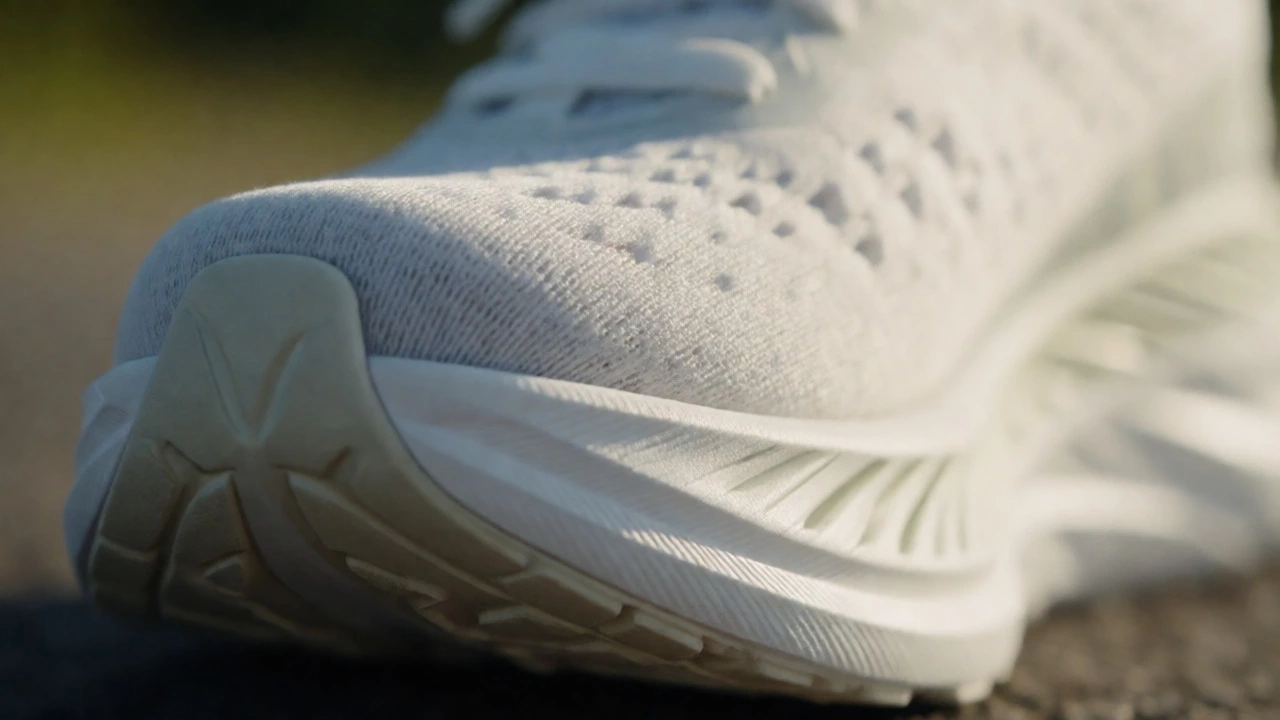
Do Hoka running shoes run big? Discover why they feel large but fit true to size. Learn sizing tips for Clifton, Bondi, and Mach models.
Published on Sep 3
0 Comments

Confused by running shoe choices? Learn how cushioning, stability, and fit determine the best shoe for your feet. Avoid injury with expert tips.
Published on Aug 27
0 Comments
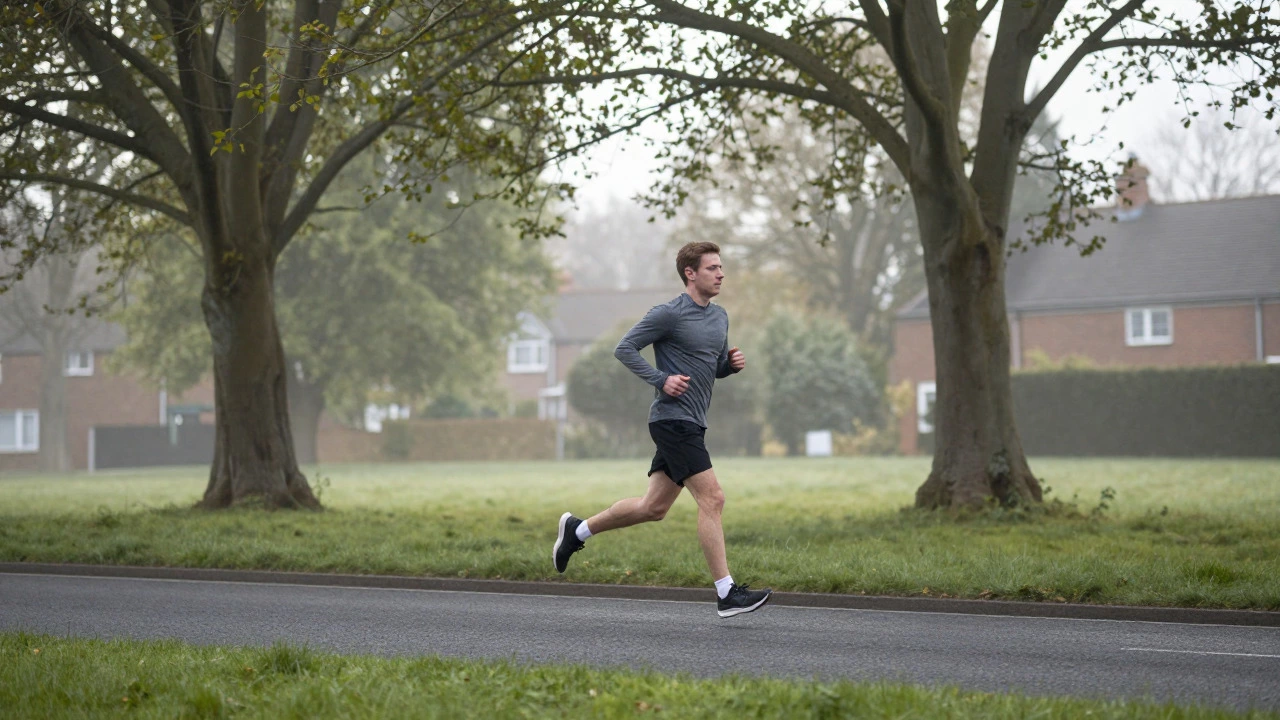
You can run a half marathon if you can run 11 miles, but you need a focused 5-week plan to build the specific endurance for the final two miles. Learn how to bridge the gap safely.
Published on Aug 23
0 Comments
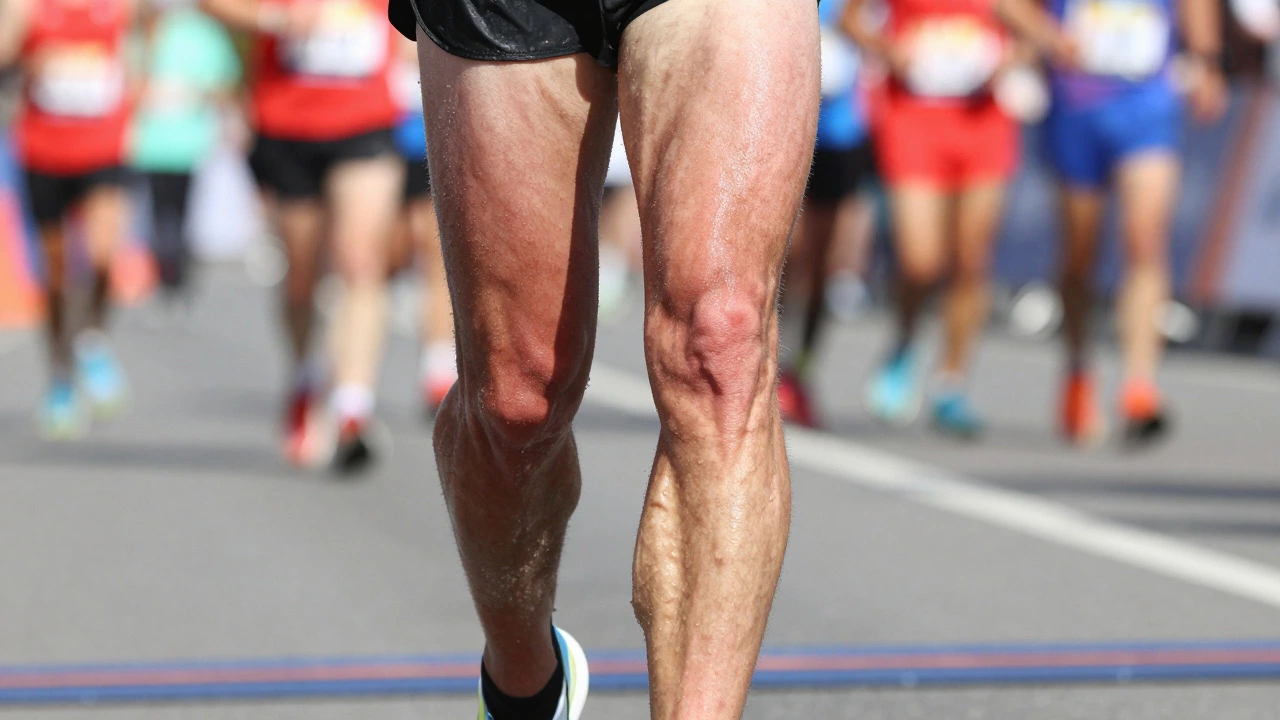
Discover the physiological changes occurring in your body during the 48 hours following a marathon. Learn about inflammation, immune suppression, and effective recovery strategies.
Published on Aug 13
0 Comments
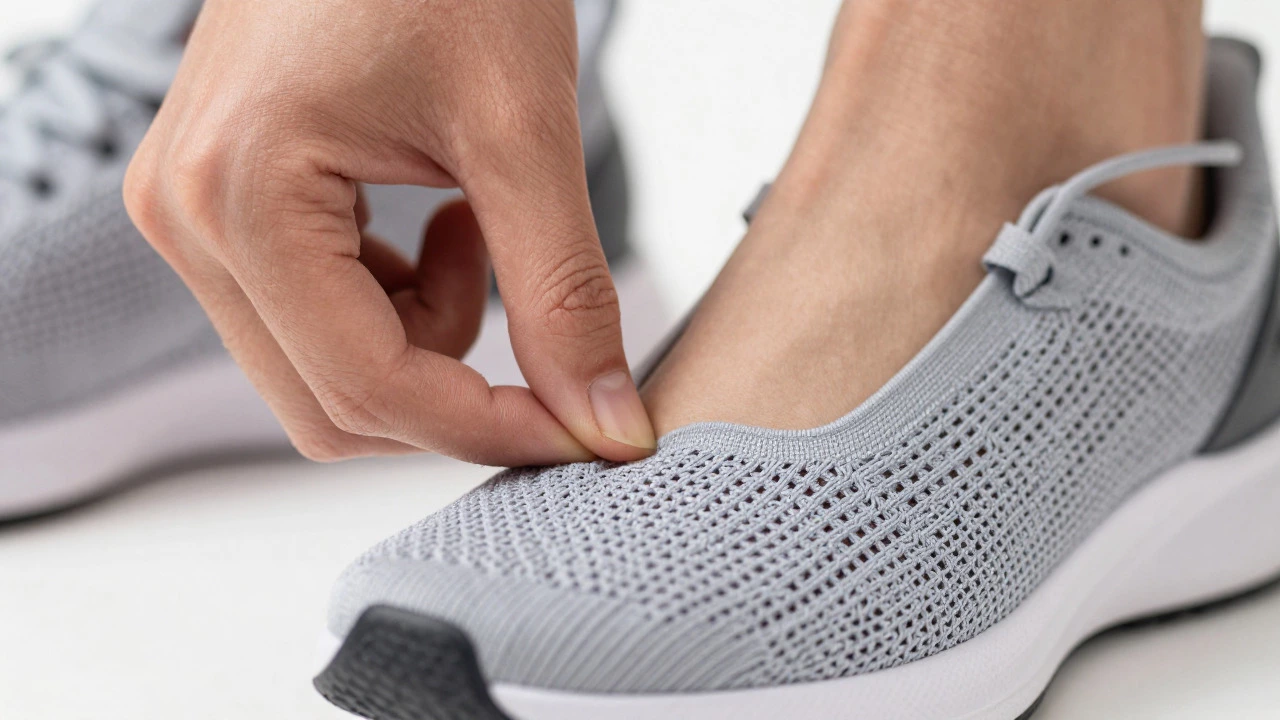
Discover the perfect fit for running shoes. Learn why tight or loose fits cause injuries and how to use the thumb test for optimal comfort and performance.
Published on Jul 13
0 Comments
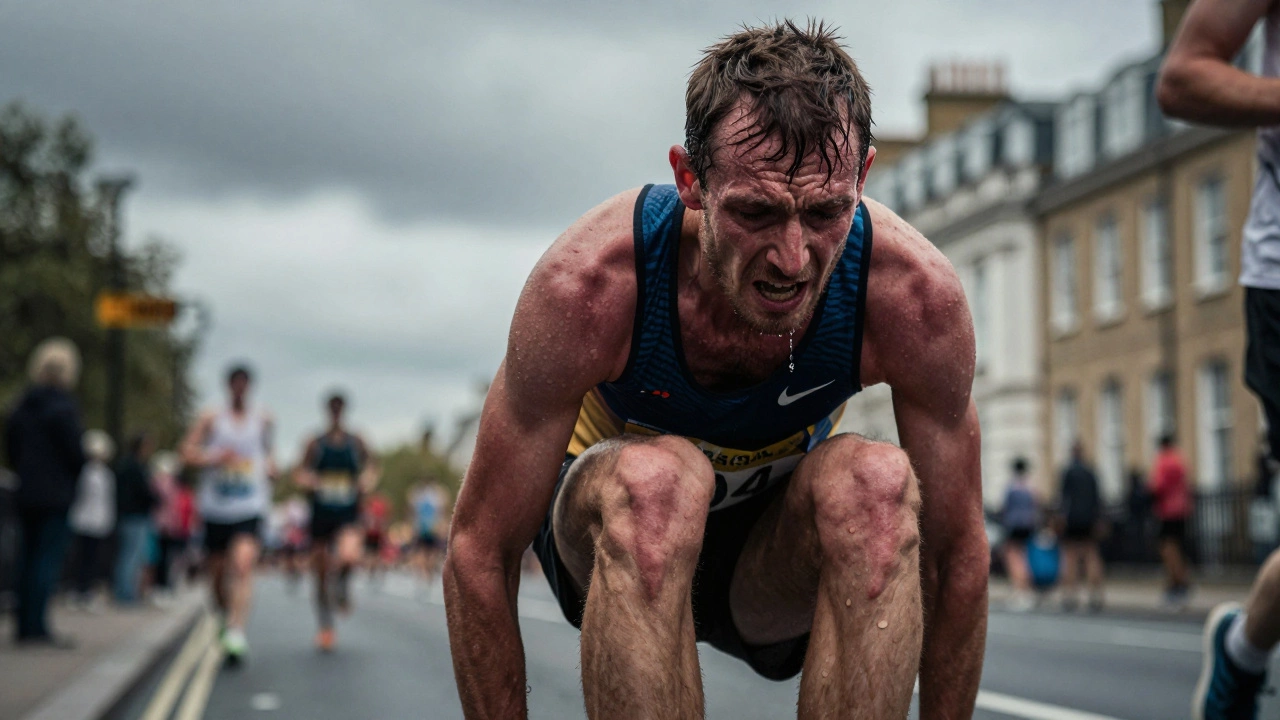
Discover why the last 6 miles of a marathon are so grueling. Learn about glycogen depletion, mental fatigue, and pacing errors that define the toughest parts of the race.
Published on Jul 12
0 Comments

Can you really run a marathon in under 4 hours? We break down the exact pace, training plan, and strategies needed to achieve this popular running goal.
Published on Jul 9
0 Comments

Running a marathon without training is dangerous and leads to severe injuries. Learn the physiological risks, common injuries, and why proper preparation is essential for a safe and enjoyable race.