Running Shoe Fit Analyzer
Answer these questions about how your current shoes feel during a run.
You lace up your sneakers, hit the pavement, and twenty minutes later, your toes are screaming. Or maybe you feel like you’re dragging a brick on each foot because they’re too baggy. We’ve all been there. The eternal debate in the running community isn’t about carbon plates or foam density-it’s about fit. Should your running shoes be tight to keep your foot secure or loose to allow for movement? The short answer is: neither. They need to be snug, but not constricting. It’s a Goldilocks situation.
The "Snug But Not Tight" Rule
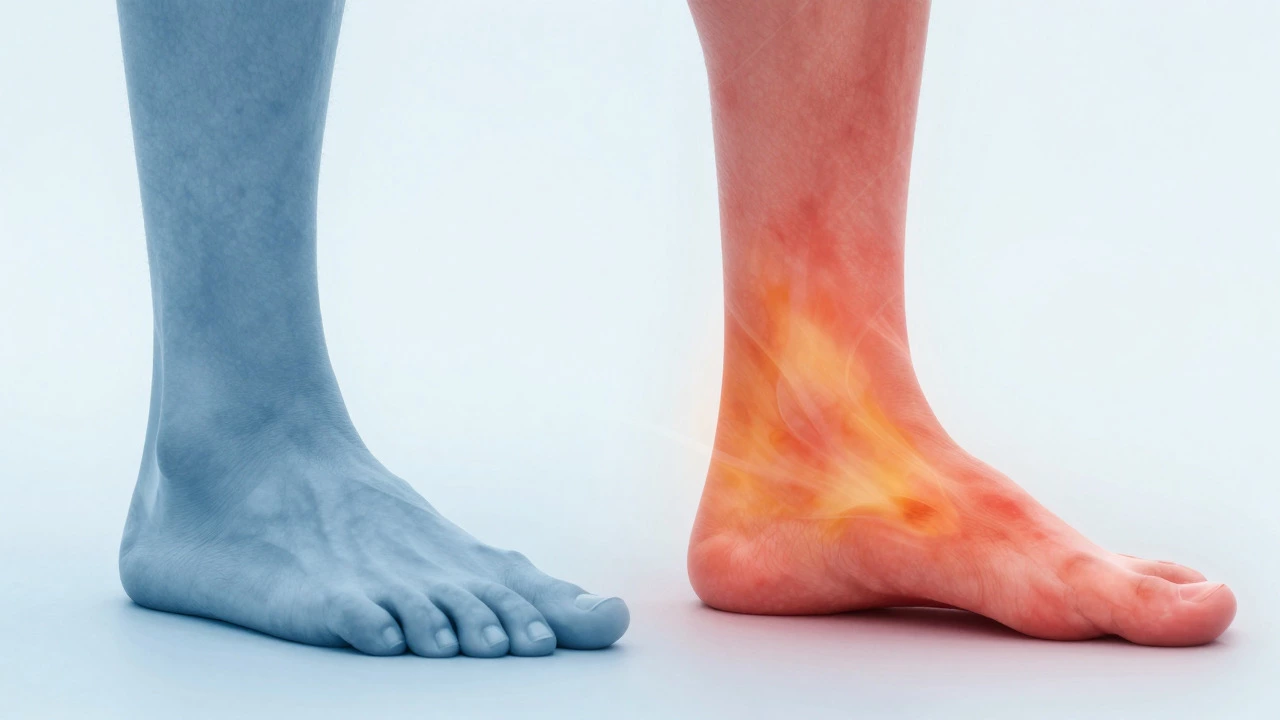
Most beginners make one of two mistakes. They buy their streetwear size, which is usually too small for running, or they panic-buy a full size up, thinking more room equals comfort. Both lead to injury. Your feet swell when you run. It’s biology, not a defect. Blood flow increases, tissues expand, and your foot can grow by half a size or even a full size during a long session. If your shoes are already tight at mile zero, they will become torture devices by mile three.
However, if they are too loose, your foot slides forward with every stride. This friction creates hot spots that turn into blisters-the runner’s worst enemy. You also lose stability. When your heel slips out of the heel cup, your ankle has to work overtime to stabilize, leading to shin splints or rolled ankles. The goal is a locked-in feel where the shoe moves as an extension of your foot, without pinching any part of it.
The Thumb Test: How to Measure Properly
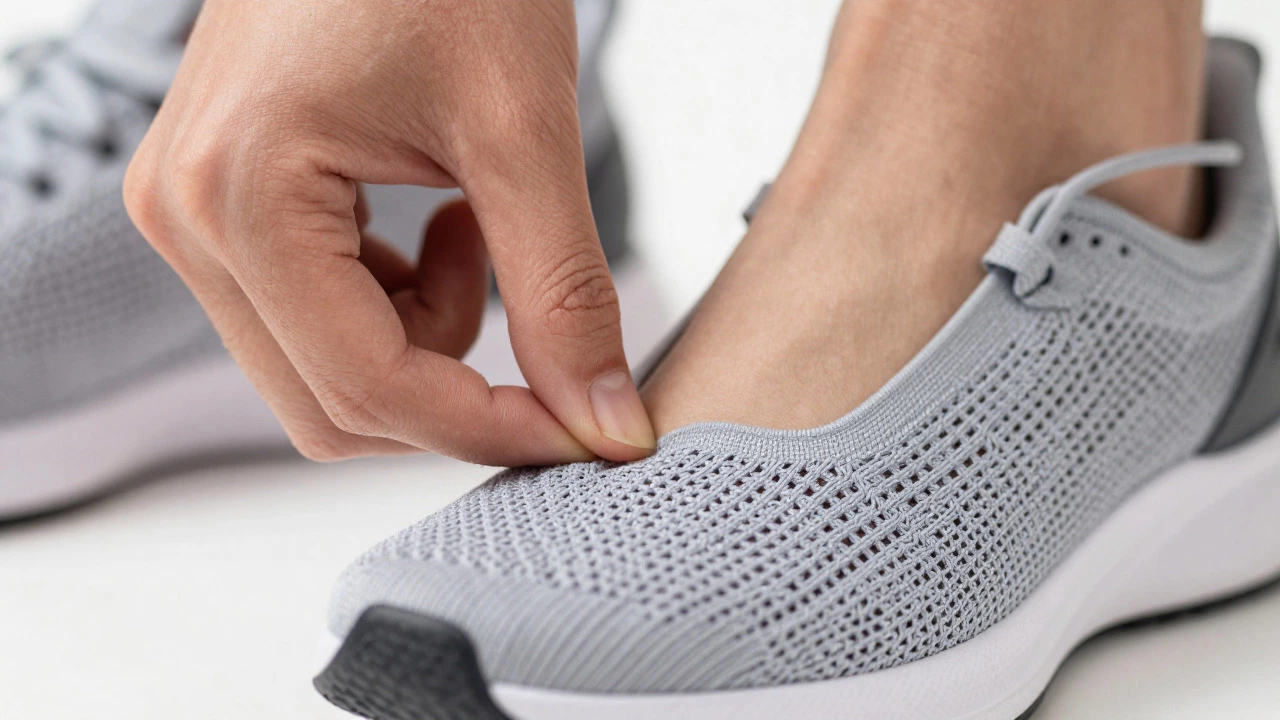
Forget the Brannock device at the mall; it’s outdated for athletic footwear. Instead, use the "thumb test." Put on your socks-the exact pair you plan to run in. Slide your foot into the shoe until your toe hits the front. Now, look at the space between your longest toe (which might not be your big toe) and the end of the shoe. There should be about a thumb’s width of space, roughly half an inch (1.25 cm). This buffer zone prevents your toenails from blackening or falling off after downhill runs.
Here is how to check the rest of the fit:
- The Heel Lock: Lace your shoes tightly. Your heel should sit firmly in the back of the shoe. If you can wiggle your heel side-to-side or lift it up easily, the shoe is too wide or too large.
- The Midfoot Snugness: The middle part of your foot, where the laces cross, should feel secure. You shouldn’t feel pressure points digging into the top of your foot, but there shouldn’t be excess material bunching up either.
- The Toe Box Room: Wiggle your toes. They should have freedom to spread slightly. If they feel cramped against the sides, the shoe is too narrow. Look for brands known for wider toe boxes if you have broad feet.
Why Feet Swell During Exercise
Understanding foot swelling during physical activity changes how you shop. When you run, gravity pulls fluid down into your extremities. Combined with increased blood volume and heat, your feet expand. This is why many runners find their afternoon shoe size different from their morning size. Always try on running shoes in the late afternoon or evening. Your feet are naturally larger then, giving you a realistic preview of how they’ll feel during a workout. If you buy them in the morning when your feet are smallest, they will likely feel tight by the time you hit the gym.
Material Matters: Leather vs. Mesh
The construction of the shoe dictates how it fits over time. Traditional leather shoes break in and stretch. Modern knit mesh upper materials, common in brands like Nike, Adidas, and Brooks, offer immediate comfort but don’t stretch much. They conform to your foot shape but maintain their structural integrity. This means if a knit shoe feels tight initially, it probably won’t get significantly looser. Conversely, if it feels perfect, it will stay that way. Don’t rely on a "break-in period" for modern performance runners. They should feel good right out of the box.
Common Fit Mistakes That Cause Injury
Ignoring fit leads to specific injuries. Here is what happens when you get it wrong:
| Fit Issue | Symptom | Potential Injury |
|---|---|---|
| Too Tight (Length) | Toenail bruising, numbness | Turf toe, ingrown toenails |
| Too Tight (Width) | Pain on sides of foot, tingling | Morton's neuroma, stress fractures |
| Too Loose (Heel) | Blisters on heel, sliding | Ankle sprains, Achilles tendonitis |
| Too Loose (Midfoot) | Instability, arch pain | Plantar fasciitis, shin splints |
Morton’s neuroma is a painful condition affecting the ball of your foot, often caused by chronic compression from narrow shoes. Plantar fasciitis, that sharp heel pain in the morning, can be exacerbated by unstable shoes that don’t support your arch properly. Getting the fit right is preventative medicine.
Special Considerations: Wide Feet and High Arches
Not all feet are created equal. If you have wide feet, standard-width shoes will squeeze the sides, cutting off circulation. Look for models labeled "Wide" (2E) or "Extra Wide" (4E). Brands like New Balance and Altra offer generous toe boxes that accommodate natural splay. For high arches, you need shoes with adequate cushioning and some flexibility, as rigid stability shoes can cause pain under the arch. Low arches (flat feet) typically benefit from structured stability shoes that prevent overpronation. Your foot type dictates the shoe category, but the fit principles remain the same: snug midfoot, roomy toe box.
When to Replace Your Shoes
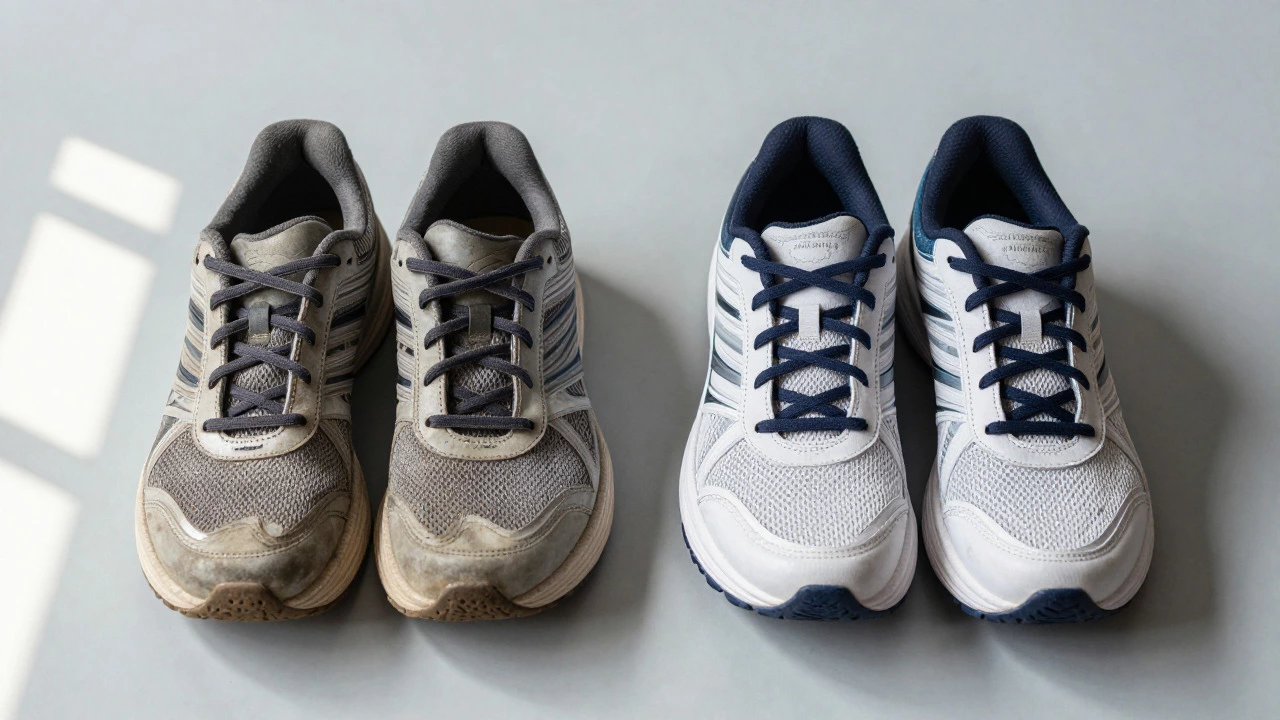
Even perfectly fitted shoes degrade. The foam compresses, and the upper stretches out. Most running shoes last between 300 to 500 miles. Once the midsole loses its bounce, your foot sinks deeper into the shoe, effectively making it tighter around the forefoot and looser at the heel. If you notice new blisters forming in old shoes, it’s likely time for a replacement, not a new pair of socks. Keep a mileage log. If you run 20 miles a week, replace your shoes every 4-6 months.
Finding Your Size: A Practical Checklist
Before you buy your next pair, follow this checklist to ensure the best fit:
- Measure both feet: One foot is often larger than the other. Size for the bigger foot.
- Shop in the afternoon: Account for natural daily swelling.
- Wear running socks: Thick wool socks take up more space than thin synthetics.
- Stand up while trying on: Sitting doesn’t show how your foot spreads under weight.
- Walk around the store: Feel for pinch points. Walk on hard surfaces if possible.
- Check the toe box: Ensure a thumb’s width of space at the front.
- Lace them up: Use the heel-lock lacing technique if your heel slips.
Getting the fit right takes a bit of effort upfront, but it pays off in every mile. No more post-run massages for your toes, no more peeling off skin from blisters. Just clean, efficient strides. Your feet carry you everywhere; treat them with respect, and they’ll keep you moving for years to come.
Should I size up or down for running shoes?
You should generally size up by half a size compared to your casual shoe size. This provides the necessary room for your feet to swell during exercise and prevents toenail damage. However, never go more than a full size up unless recommended by a specialist, as excessive length causes instability.
How do I know if my running shoes are too tight?
Signs include numbness, tingling, or cold toes due to restricted blood flow. You may also see red marks on the sides of your feet after removing the shoes. Pain in the ball of the foot or cramping in the arches are also indicators of a too-tight fit.
Do running shoes stretch over time?
Modern synthetic mesh and knit uppers stretch very little. They conform to your foot shape but do not expand significantly in length or width. Leather shoes do break in and stretch, but most performance running shoes today are made from engineered textiles that maintain their structure.
What is the heel lock lacing technique?
The heel lock technique uses the extra eyelet at the top of most running shoes. Instead of crossing the laces normally, thread each lace through its own side’s extra eyelet to create a loop, then cross the laces through these loops before tying. This locks your heel securely in place, preventing slippage and blisters.
Can tight running shoes cause bunions?
Yes, consistently wearing shoes that are too narrow or short can exacerbate bunions. The constant pressure on the big toe joint forces it outward, worsening the deformity over time. Choosing shoes with a wide toe box allows the toes to sit naturally, reducing pressure on the bunion area.