Running Shoe Walkability Checker
Enter your shoe's details to determine if it is still suitable for daily walks or if it's time to retire them.
Verdict:
Recommendation Details:
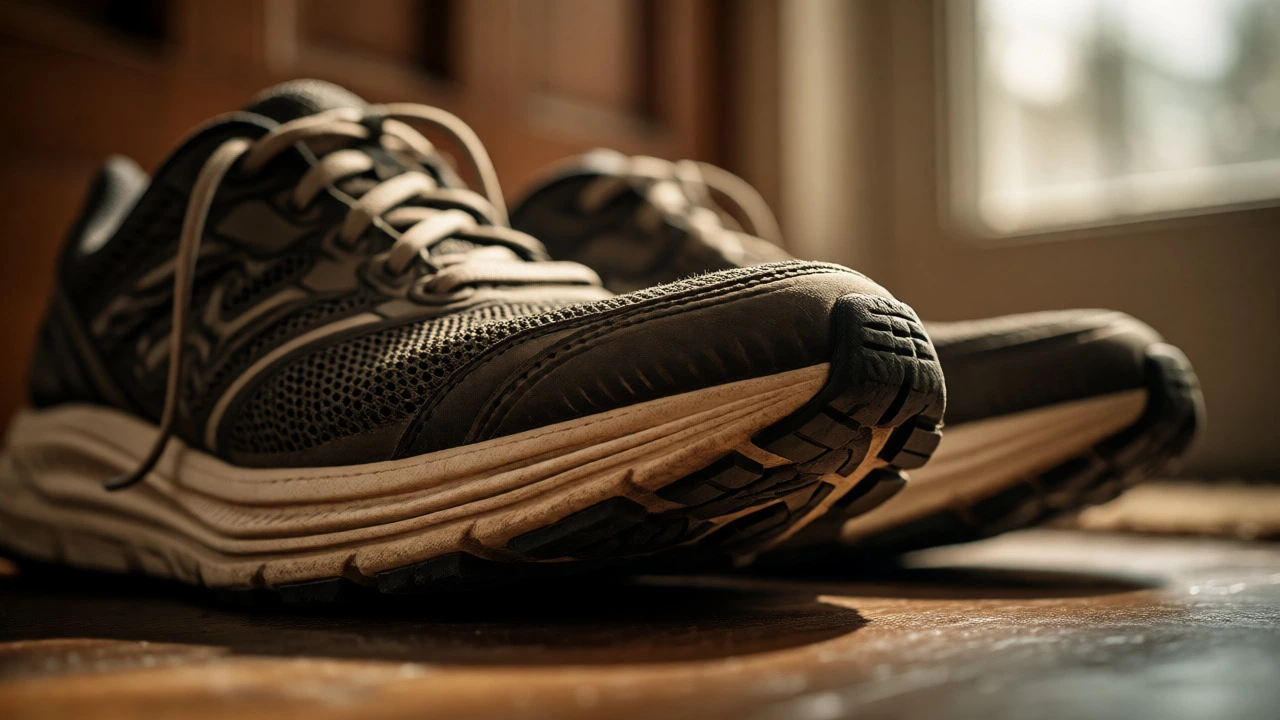
You’ve got that pair of runners sitting by the door. They’re not exactly pristine-the foam is a bit squashed, the tread looks tired, but they still feel familiar. You’re wondering if you can just slip them on for your morning walk around the block or a trip to the shops. After all, they’re still shoes, right? Well, mostly. But here’s the thing: running shoes are engineered machines designed for high-impact motion, and when they hit their expiry date, they stop protecting you.
The short answer is yes, you can walk in them. The longer, more important answer is that it depends entirely on how old they are and what kind of damage they’ve sustained. Walking is low-impact compared to sprinting, so your joints aren’t taking the same beating. However, using degraded footwear can lead to subtle alignment issues, foot pain, or even knee strain over time. Let’s break down exactly when those old kicks are fine for casual strolls and when they’re begging for the bin.
Understanding Shoe Degradation vs. Visible Wear
Most people judge a shoe by its outsole. If the rubber isn’t worn through, we assume the shoe is good. That’s a mistake. The real workhorse of any modern runner is the midsole, usually made from ethylene-vinyl acetate (EVA) or polyurethane foams. This material compresses with every step you take. Once it loses its ability to spring back, it’s called "dead" foam. You might not see cracks, but the cushioning is gone.
When you walk in dead foam, your feet land harder on the ground than they should. Without proper shock absorption, that impact travels up your ankles, knees, and hips. For a quick five-minute walk to the mailbox, this doesn’t matter much. For a 30-minute power walk on concrete? Your body will let you know about it later. If your shoes feel flat or hard underfoot, they’ve lost their primary function, regardless of how new the upper fabric looks.
Signs Your Running Shoes Are Done for Walking
How do you know if your shoes have crossed the line from "comfortable casual wear" to "potential injury risk"? Check these specific areas. Don’t guess-look closely.
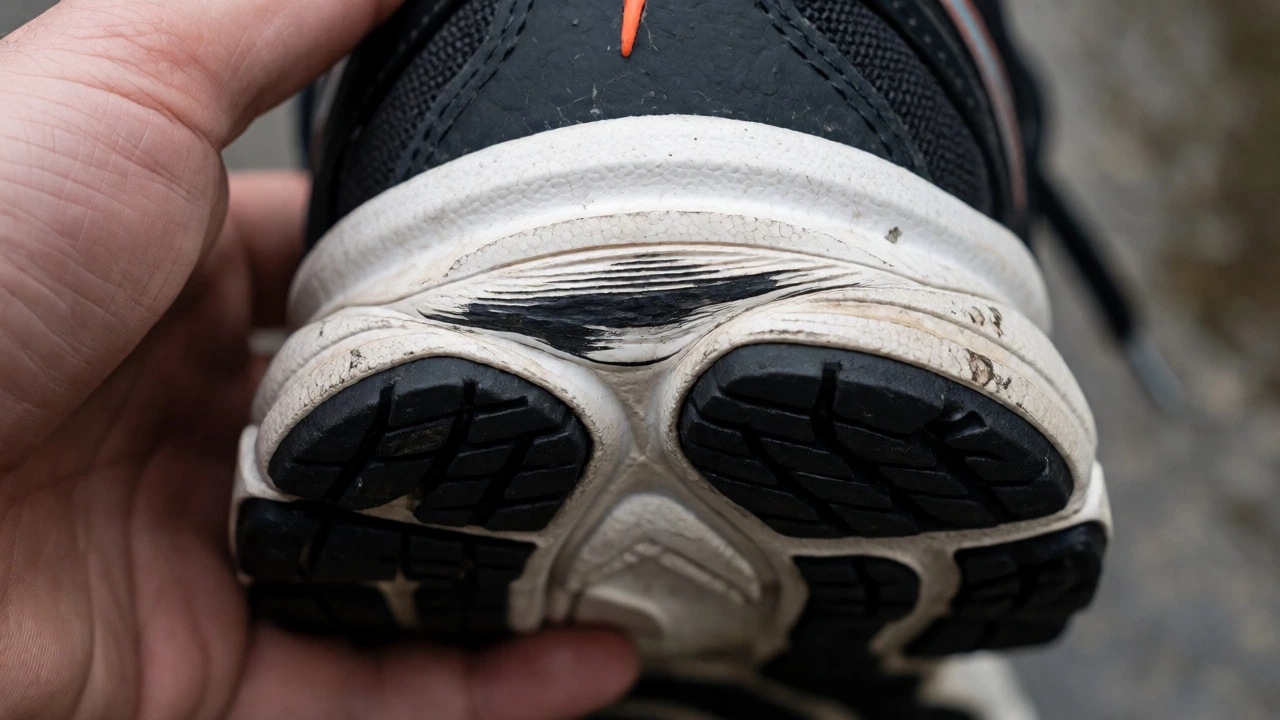
- The Midsole Crease Test: Take the shoe off and look at the side of the sole. If there are deep, permanent creases running horizontally across the foam, the structure has collapsed. These creases mean the foam can no longer distribute weight evenly.
- Uneven Heel Wear: Flip the shoe over. Is one side of the heel significantly thinner than the other? This indicates an altered gait pattern caused by worn-out support structures. Walking in unevenly worn shoes forces your ankle to compensate, which can lead to instability.
- Loss of Traction: If the tread pattern is smooth, especially on wet surfaces like Sydney’s pavement after rain, you’re risking slips. Running shoes often use soft rubber compounds that degrade faster than hiking boots.
- Upper Collapse: Press on the toe box and heel counter. If the materials feel mushy or offer zero resistance, your foot won’t be held securely inside the shoe. This causes sliding, blisters, and lack of control.
Why Walking Mechanics Differ from Running
It’s worth noting why we even ask this question. Running involves a flight phase where both feet leave the ground. When you land, your body absorbs forces equivalent to two to three times your body weight. Walking never leaves the ground completely; you always have one foot planted. The peak force is lower, typically 1.2 to 1.5 times body weight.
This difference means that a shoe too damaged for running might still be acceptable for walking. The demands are lower. However, walking puts different stress points on the foot. Runners often strike with the forefoot or midfoot, while walkers typically heel-strike. If your old running shoes had excessive heel cushioning that has now bottomed out, that heel-strike becomes painful. Conversely, if the shoes were minimalist racing flats, they might lack the stability needed for long walks because they were built for speed, not endurance.
The Health Risks of Worn-Out Footwear
Ignoring the state of your shoes isn’t just about comfort-it’s about biomechanics. When the supportive elements of a shoe fail, your body adapts. Often, these adaptations are inefficient and painful.
| Shoe Issue | Potential Physical Impact | Severity Level |
|---|---|---|
| Compressed Midsole | Increased joint stress in knees and hips; shin splints | Moderate |
| Collapsed Arch Support | Plantar fasciitis flare-ups; flat foot fatigue | High |
| Worn Outsole (Smooth) | Slip hazards; altered balance requiring muscle tension | Low-Moderate |
| Broken Down Heel Counter | Ankle rolling; Achilles tendon strain | Moderate-High |
Notice that "shin splints" appear here. Even though you’re walking, poor shock absorption can irritate the tibia periosteum. If you already have sensitive feet or a history of plantar fasciitis, don’t gamble with old gear. The cost of a physio appointment far outweighs the price of new shoes.
When It’s Perfectly Fine to Use Old Runners
So, when should you keep them? There are scenarios where old running shoes are actually ideal.
- Short Commutes: Walking from the train station to the office for ten minutes? Go for it. The duration is too short for significant biomechanical failure to cause harm.
- Casual Errands: Popping into the supermarket or walking the dog for fifteen minutes? These shoes provide adequate protection against debris and weather without needing elite performance.
- Recovery Days: Some runners use older, softer shoes for active recovery walks. Because the foam is broken in, it feels plush. Just ensure the structural integrity remains intact.
If the shoes are less than six months old or have fewer than 300 kilometers on them, they are almost certainly safe for daily walking. Most manufacturers recommend replacing running shoes every 500-800 kilometers. At the 400-kilometer mark, they are perfectly viable for walking duties.

Extending the Life of Your Everyday Shoes
If you plan to rotate old runners into your walking rotation, treat them well. Rotating between two pairs of shoes allows the foam to decompress between uses. Studies suggest that letting a shoe rest for 24 hours helps restore some resilience to the midsole. If you only have one pair of old runners, try not to wear them two days in a row.
Also, consider the environment. Concrete and asphalt are unforgiving. Grass and dirt paths are gentler on both your joints and your shoe’s outsole. If you walk primarily on rough terrain, check the upper stitching. Sand and grit can shred the fabric layers of lightweight running mesh, causing holes that expose your feet to elements.
Alternatives to Old Running Shoes for Walking
If your old runners are truly done, don’t just switch to bare feet or flip-flops. Look for dedicated walking shoes or lifestyle sneakers. Brands like New Balance, Hoka, or Brooks make models specifically for walking that prioritize heel cushioning and rocker geometry. These features help roll the foot forward smoothly, reducing calf strain.
For urban environments, leather sneakers or canvas shoes offer better durability against scuffs and easier cleaning than technical mesh runners. While they may lack advanced foam tech, their stable platforms are often safer for standing and slow walking than a collapsed, unstable runner.
Frequently Asked Questions
How many miles can I walk in old running shoes?
There is no fixed number, but generally, once a running shoe exceeds 500-600 kilometers (approx. 300-370 miles), it is considered retired for running. For walking, you can often extend this to 800-1000 kilometers provided the structural integrity holds. Monitor for discomfort rather than strictly counting miles.
Can wearing old shoes cause knee pain?
Yes. Worn-out midsoles lose shock absorption, transmitting more impact force to your knees. Additionally, uneven wear patterns can alter your leg alignment, placing asymmetric stress on the knee joint, potentially leading to patellofemoral pain syndrome.
Is it bad to run in shoes meant for walking?
Generally, yes. Walking shoes are often heavier and less responsive than running shoes. They may lack the energy return needed for efficient running and could restrict natural foot flexion, increasing the risk of injury during higher-intensity activity.
Do old running shoes smell worse than new ones?
Yes, due to accumulated sweat, bacteria, and fungi trapped in the porous foam and fabric. Regular washing is difficult for technical materials. Using cedar shoe trees or antibacterial sprays can help, but eventually, hygiene becomes a valid reason to retire them.
What is the best way to dispose of old running shoes?
Many brands like Nike (Nike Grind) and Asics have recycling programs. You can drop them off at participating stores. Alternatively, local charity shops often accept gently used athletic shoes for resale, extending their lifecycle before eventual recycling.