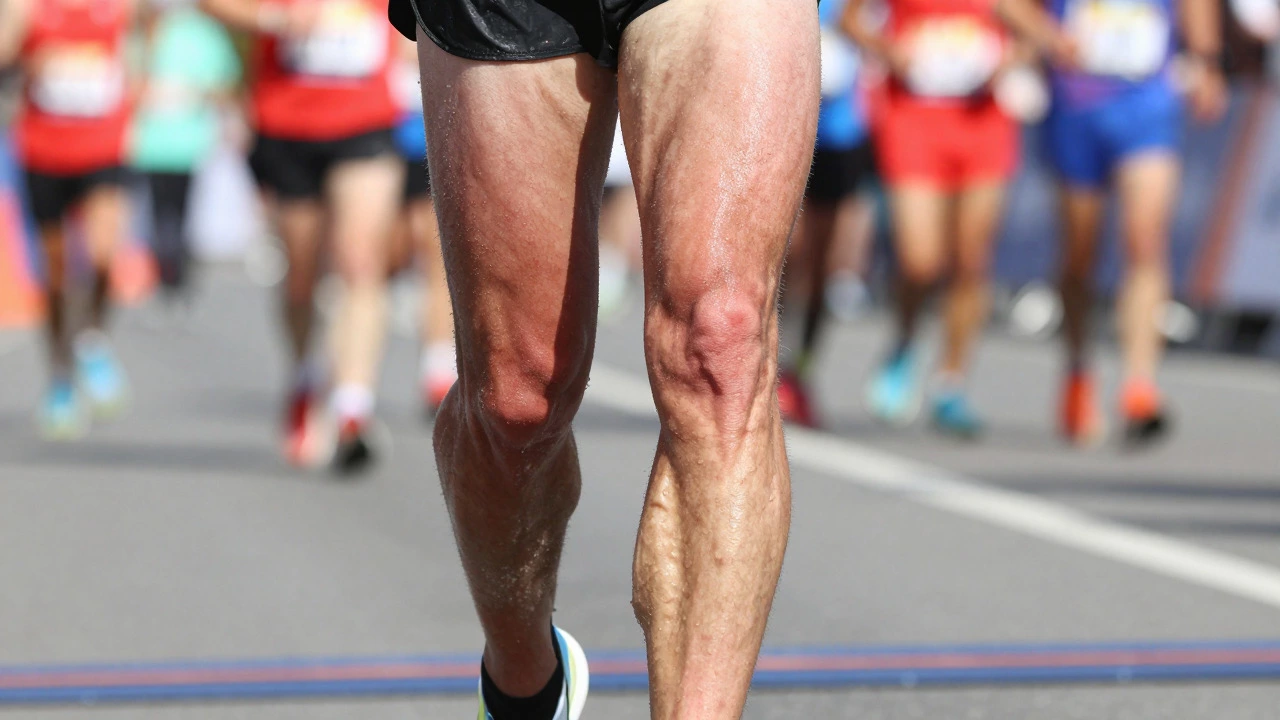
Post-Marathon Recovery Timeline
The First 12 Hours: Shock & Depletion
Your body is in emergency mode. Micro-tears in muscle fibers trigger immediate inflammation. Glycogen stores are nearly empty, leading to fatigue and irritability.
Hours 12–24: The Immune Dip
Cortisol spikes suppress white blood cells, making you susceptible to infection. Heart rate remains elevated as the body clears metabolic waste. Sleep is often disrupted by adrenaline.
Day Two (24–48h): Peak Soreness & Repair
Delayed Onset Muscle Soreness (DOMS) peaks. Inflammation is fully developed, but protein synthesis kicks into high gear to rebuild stronger fibers. Joint swelling may occur.
Finish the race. Cross the line. Take that medal. Then, two days later, you can barely walk down the stairs. It feels like your legs are made of concrete and your joints are grinding together. This isn't just fatigue; it is a massive physiological storm raging inside your system. Understanding what happens to your body in the 48 hours after a marathon helps you recover faster and avoid injury.
Your body doesn't just "rest" after 26.2 miles. It enters a state of emergency repair. Every system-from your muscles to your immune defense-is working overtime to fix the damage caused by extreme exertion. Here is exactly what is going on under the skin during those critical first two days.
The First 12 Hours: Inflammation and Glycogen Depletion
Right after the finish line, your body is in shock. The most immediate change is a spike in inflammation. When you run for hours, microscopic tears occur in your muscle fibers. These micro-tears release proteins that trigger an inflammatory response. You might feel this as deep soreness or stiffness, especially in your quads and calves.
Simultaneously, your energy stores are empty. During the race, you burned through nearly all your glycogen-the stored form of glucose in your muscles and liver. Without this fuel, your body struggles to function normally. You may feel irritable, foggy, or unusually tired because your brain is running low on its primary fuel source. This is why eating within 30 minutes of finishing matters so much. You need to replenish these reserves before they drop too low.
| System | Change | Symptom/Effect |
|---|---|---|
| Muscular | Micro-tears in fibers | Delayed Onset Muscle Soreness (DOMS) |
| Metabolic | Glycogen depletion | Fatigue, irritability, low blood sugar |
| Immune | Cortisol spike | Suppressed immune function |
| Hydration | Fluid and electrolyte loss | Dehydration, cramping risk |
Hours 12 to 24: The Immune System Dip
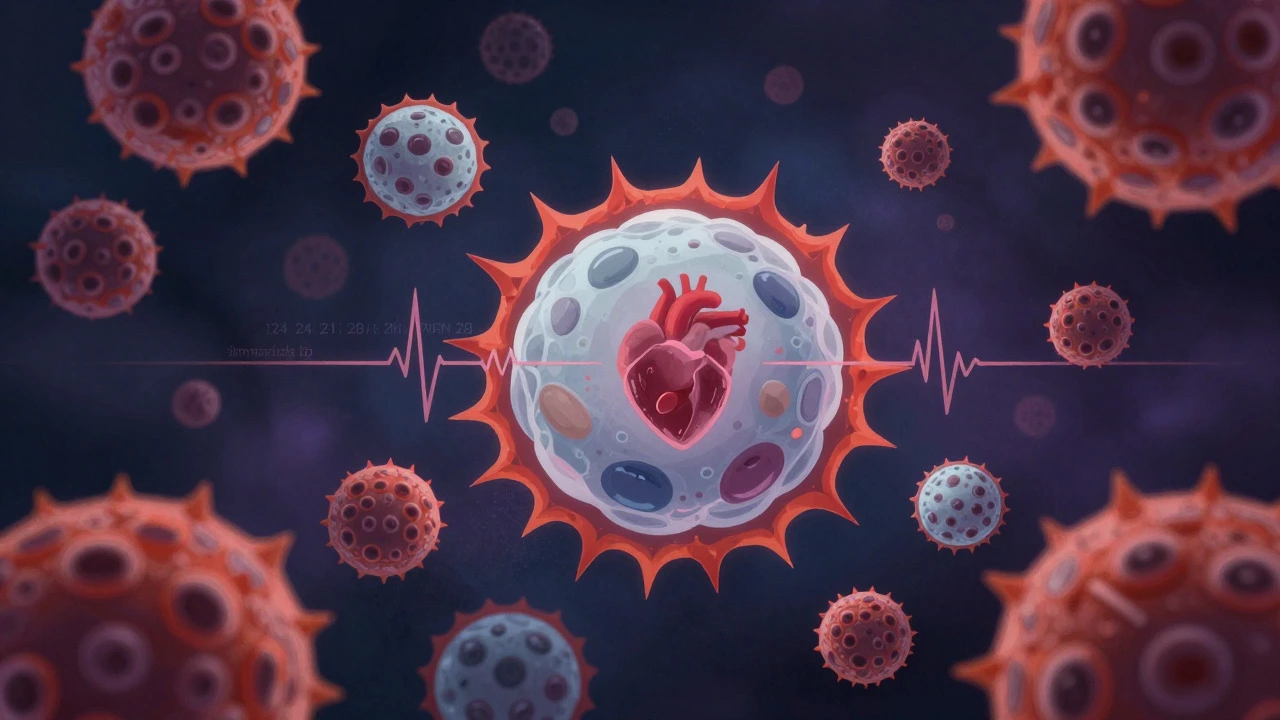
Here is something many runners don't expect: your immune system takes a hit. Running a marathon triggers a massive release of cortisol, the stress hormone. While cortisol helps mobilize energy during the race, high levels afterward suppress your white blood cells. For about 24 to 72 hours, you are more susceptible to colds, flu, and other infections. If you catch a bug right after a race, it’s not bad luck-it’s biology.
During this window, your heart rate remains elevated at rest. Your cardiovascular system is still trying to clear out metabolic waste products like lactate and hydrogen ions. Even though you aren't moving, your body is working hard to return to homeostasis. Sleep becomes crucial here, but it’s often disrupted. Many runners struggle to fall asleep due to elevated body temperature and adrenaline lingering in their system. Try to keep your room cool and dark to help regulate your core temperature.
Day Two: Peak Soreness and Repair Activation
By the second day, the real pain sets in. This is when Delayed Onset Muscle Soreness (DOMS) peaks. The inflammation from the micro-tears has now fully developed. Your muscles are swollen with fluid and cellular debris. Walking feels heavy, and bending over might be painful. This is normal. It means your body is actively cleaning up the mess.
At the same time, protein synthesis kicks into high gear. Your body starts rebuilding stronger muscle fibers. This process requires amino acids, which come from your diet. If you haven't been eating enough protein in the first 24 hours, this repair phase slows down. Aim for a mix of carbohydrates and protein to support both energy restoration and tissue repair.
Your joints also play a role here. The impact of thousands of steps causes temporary swelling in the knees, ankles, and hips. This isn't necessarily damage, but rather a protective fluid buildup. Gentle movement, like walking or swimming, helps pump out this fluid and reduces stiffness. Avoid complete bed rest, as it can make the soreness worse by allowing blood to pool.
Hydration and Electrolyte Balance
Water isn't just for thirst. After a marathon, you lose significant amounts of sodium, potassium, and magnesium through sweat. If you only drink plain water, you risk diluting your remaining electrolytes, which can lead to hyponatremia-a dangerous condition where sodium levels drop too low. Most runners feel better when they rehydrate with fluids that contain electrolytes. Look for drinks with sodium and potassium, or add a pinch of salt to your water if you're drinking heavily.
Monitor your urine color. Pale yellow indicates good hydration. Dark yellow means you need more fluids. Don't wait until you're thirsty; by then, you're already dehydrated. Consistent sipping throughout the day is better than chugging large amounts at once, which can upset your stomach.
Nutrition Strategy for Recovery
Your food choices in these 48 hours dictate how fast you bounce back. Think of nutrition as fuel for repair, not just calories. Focus on three key components:
- Carbohydrates: Refill your glycogen tanks. Choose complex carbs like sweet potatoes, rice, or oats for sustained energy. Simple carbs like fruit or sports drinks work well immediately after the race.
- Protein: Build back the muscle. Include lean meats, eggs, dairy, or plant-based sources like lentils and tofu. Aim for 20-30 grams per meal.
- Anti-inflammatory foods: Reduce swelling. Berries, leafy greens, nuts, and fatty fish like salmon contain compounds that help calm inflammation.
Avoid processed junk food, even if you're craving it. High sugar and fat content can worsen inflammation and slow digestion. Listen to your body-if you're nauseous, stick to light, easily digestible foods like broth, bananas, or toast.

Sleep and Mental Recovery
Sleep is where the magic happens. Growth hormone, which repairs tissues, is released primarily during deep sleep. If you skip sleep, you delay recovery. However, post-marathon sleep is often fragmented. Your mind might race with thoughts about the race, or your body might ache too much to settle. Create a pre-sleep routine: dim lights, no screens, and gentle stretching. If you can't sleep, try napping. A 20-minute nap can boost alertness without disrupting your night cycle.
Mentally, you might experience a "post-race crash." The excitement fades, leaving behind exhaustion and emotional sensitivity. This is normal. Give yourself permission to do nothing. Rest isn't laziness; it's part of the training process. Allow yourself to feel proud of your achievement while acknowledging that your body needs time to heal.
Common Mistakes to Avoid
Even experienced runners make errors in the first 48 hours. Here are the biggest ones to watch out for:
- Overdoing it: Trying to train again too soon. Stick to easy walks or light cross-training for at least 48 hours.
- Ignoring pain signals: Sharp pain isn't DOMS. If something hurts sharply, stop and assess. It could be a strain or tendon issue.
- Skipping meals: Thinking you'll eat later. Delaying refueling extends the recovery timeline.
- Alcohol consumption: Alcohol dehydrates you and interferes with protein synthesis. Enjoy a celebratory drink, but limit it to one glass and hydrate well.
When to See a Doctor
Most discomfort resolves on its own. But some signs indicate a problem. Seek medical advice if you experience:
- Persistent sharp pain in one specific spot (not general soreness).
- Swelling that doesn't improve after 48 hours.
- Dark-colored urine (a sign of rhabdomyolysis, a rare but serious condition).
- Fever lasting more than 24 hours.
Rhabdomyolysis occurs when muscle breakdown releases myoglobin into the bloodstream, which can harm your kidneys. It's rare, but staying hydrated is your best defense.
How long does it take to fully recover from a marathon?
While the acute phase lasts 48 hours, full recovery typically takes 7 to 14 days. You should feel significantly better by week two, but your body continues repairing at a cellular level for several weeks. Return to regular training gradually, starting with easy runs.
Is it safe to run the next day after a marathon?
Generally, no. Your muscles are inflamed and fragile. Running risks further damage. Instead, opt for a short, easy walk or gentle swimming. Save running for at least 48 hours later, and start with a very slow pace.
Why do I feel sick after a marathon?
This is usually due to dehydration, low blood sugar, or gastrointestinal distress from intense exercise. Your blood flow was diverted away from your digestive system during the race. Eat small, bland meals and sip electrolyte fluids to help your gut recover.
Should I ice my legs after a marathon?
Ice can reduce pain and swelling, but it shouldn't be used excessively. Cold therapy constricts blood vessels, which might slow down the delivery of nutrients needed for repair. Use ice for 15-20 minutes at a time if pain is severe, but prioritize gentle movement and heat later in the day to promote circulation.
What is the best drink for post-marathon recovery?
A combination of water and electrolytes is ideal. Sports drinks provide quick sugars and salts. Coconut water is a natural alternative with potassium. Avoid sugary sodas or excessive alcohol, as they can hinder rehydration and recovery processes.