Running Shoe Finder
Answer three quick questions to find your ideal running shoe category.
Why this recommendation?
You’ve probably stood in a sports store staring at walls of brightly colored foam and mesh, wondering which pair won’t destroy your knees. It’s a common trap: you buy the shoes your friend loves or the ones with the coolest logo, then realize three kilometers in that they feel like bricks. The truth is, there is no single "best" running shoe. The right choice depends entirely on your foot mechanics, the surface you run on, and how far you plan to go.
I’ve spent years analyzing gait patterns here in Sydney, from the pavement of the Harbour Bridge to the dirt trails of Centennial Park. What I’ve learned is that matching the shoe to the runner matters more than the brand name. If you’re looking for clarity amidst the marketing noise, this guide breaks down exactly what you need to know before spending your money.
The Three Pillars of Running Shoe Selection
Before you look at brands, you need to understand the three technical aspects that actually affect your performance and comfort. These aren't just buzzwords; they are engineering decisions that change how your foot interacts with the ground.
Cushioning is the first pillar. It refers to the midsole material-usually EVA foam, polyurethane, or newer thermoplastic elastomers-that absorbs impact. High-cushion shoes protect joints during long distances but can feel unstable if you have weak ankles. Low-cushion shoes offer better ground feel and responsiveness but demand stronger calf muscles.
Stability deals with control. Most runners pronate (roll inward) slightly when their foot lands. This is normal. However, overpronation can lead to shin splints or plantar fasciitis. Stability shoes use denser foam on the inner side of the midsole (often called a medial post) to slow this roll down. Neutral shoes assume you don’t need this help.
Drop is the height difference between the heel and the forefoot. Traditional shoes had a 10-12mm drop. Modern trends favor lower drops (4-8mm) or even zero-drop designs. Higher drops shift load to the knees and hips; lower drops shift it to the Achilles tendon and calves. Changing your drop too quickly is a recipe for injury.
Identifying Your Foot Type
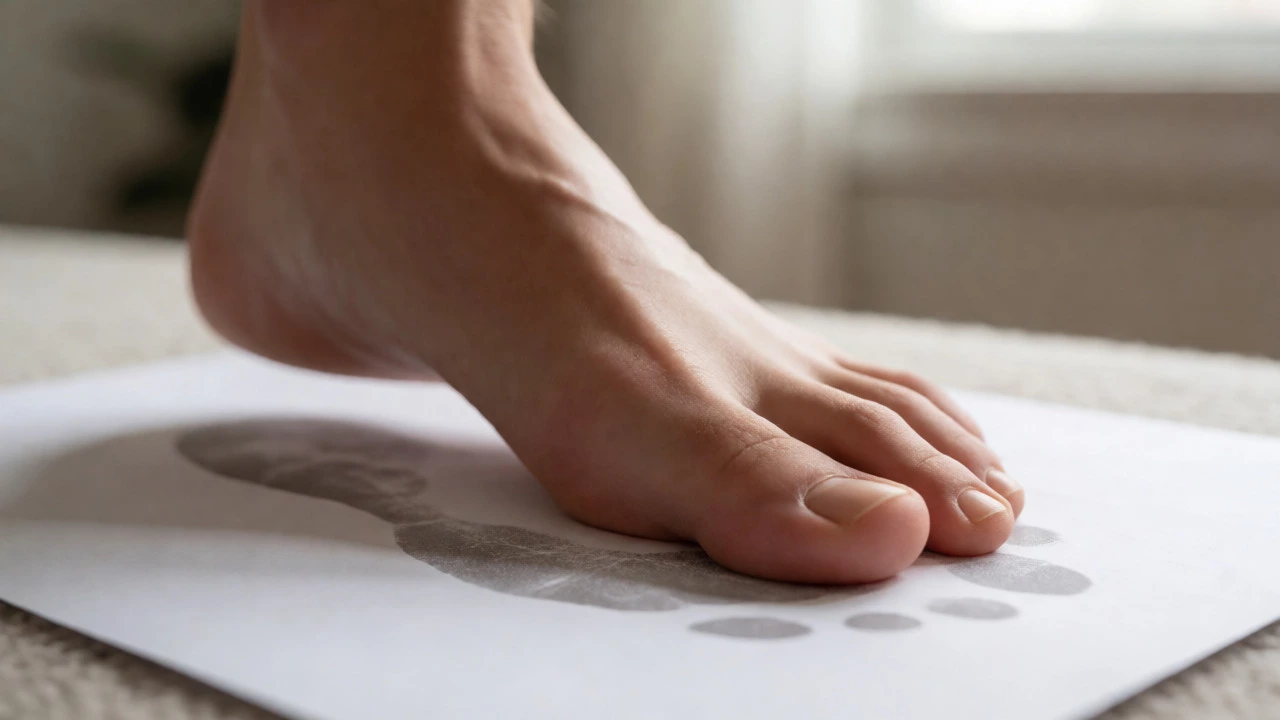
You cannot choose the best shoe without knowing how your feet behave. You don’t need a $200 lab analysis to get a good idea. Try the wet test: wet your bare foot and step onto a piece of cardboard or paper. Look at the footprint.
- Flat Foot: You see almost the entire footprint. You likely overpronate. You need motion control or strong stability features.
- Normal Arch: You see about half of your arch. You have neutral pronation. You can wear neutral or mild stability shoes.
- High Arch: You see only the heel and ball of the foot. You likely underpronate (supinate). You need maximum cushioning and flexibility to absorb shock, as your foot doesn’t roll enough to distribute impact naturally.
If you’re still unsure, check the wear pattern on your old shoes. If the inside edge is worn down significantly, you overpronate. If the outside edge is worn, you supinate. If the wear is centered, you’re neutral.
Matching Shoes to Distance and Pace
A marathon shoe is not the same as a track spike, and neither is ideal for a casual 5K jog. Think of running shoes as tools for specific jobs.
| Shoe Type | Best For | Weight | Cushioning Level | Lifespan (km) |
|---|---|---|---|---|
| Daily Trainers | Everyday training, easy runs, beginners | Medium (250-300g) | Balanced | 600-800 |
| Max Cushion | Long distances, recovery runs, heavy runners | Heavy (300g+) | High | 500-700 |
| Speed/Racing | Intervals, tempo runs, race day | Light (180-240g) | Low to Medium | 200-400 |
| Trail Runners | Off-road, mud, rocks, uneven terrain | Medium-Heavy | Variable (with protection) | 400-600 |
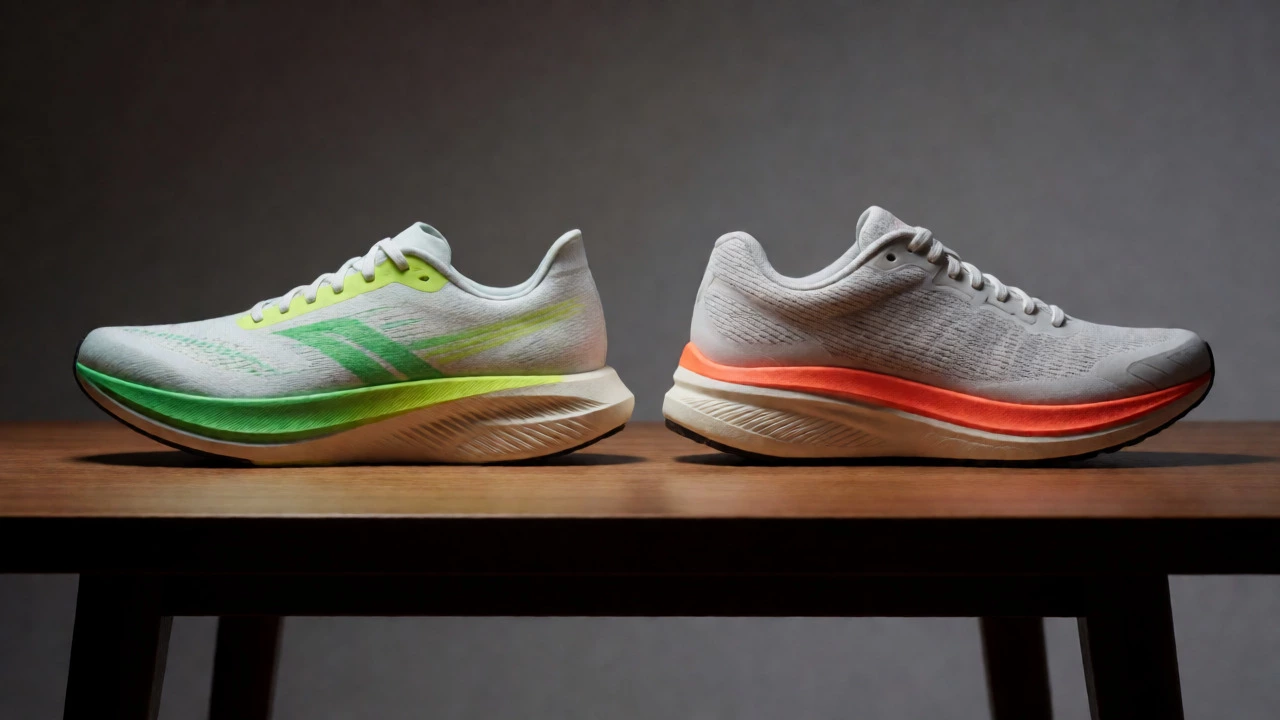
Daily trainers are the workhorses. They balance durability and comfort. If you only buy one pair, make it a daily trainer. Max cushion shoes, like those using nitrogen-infused foams, are fantastic for saving your legs on Sunday long runs but feel sluggish if you try to sprint in them. Speed shoes often feature carbon plates that act like springs, returning energy efficiently, but they lack the support needed for high-mileage weeks.
The Fit Factor: Why Size Matters More Than Style
Most people wear running shoes that are too small. When you run, your feet swell. Add in the forward momentum, and your toes push against the front of the shoe every time you land. If you have zero space, you’ll lose toenails or develop black bruises.
Aim for a thumb’s width of space between your longest toe and the end of the shoe. Also, consider width. Many standard shoes are built on a "D" width last. If you have wide feet, forcing yourself into a narrow shoe causes bunions and numbness. Brands like New Balance and Brooks offer wide (2E) and extra-wide (4E) options. Don’t be embarrassed to ask for them.
Try shoes on in the afternoon. Your feet are largest then, mimicking the state they will be in after a run. Wear the socks you intend to run in. Thick cotton socks change the fit dramatically compared to thin synthetic running socks.
Surface-Specific Recommendations
Where you run dictates the outsole rubber and tread pattern you need.
Road Running requires durable rubber compounds that grip asphalt and concrete. The focus here is on smooth transitions and consistent cushioning. There is little need for deep lugs, as they wear down quickly on hard surfaces.
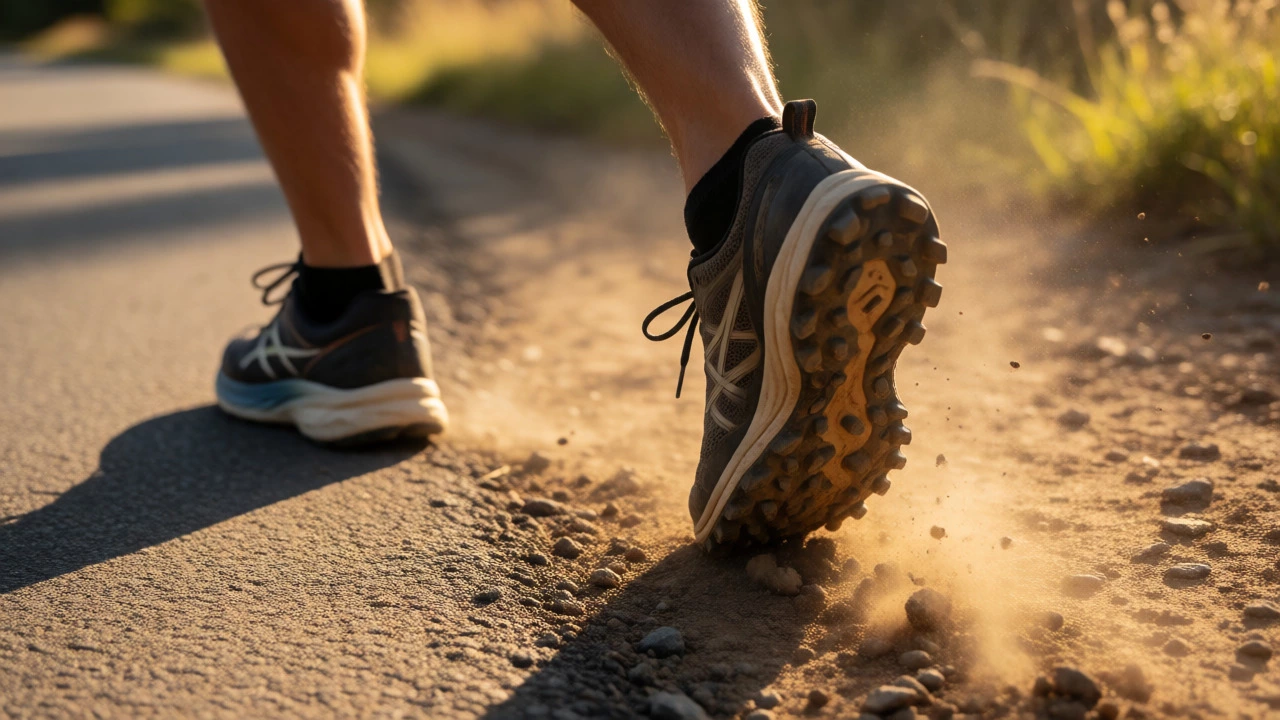
Trail Running demands aggressive traction. Deep lugs bite into mud and loose gravel. Trail shoes also have rock plates-thin layers of plastic or TPU-to protect your feet from sharp stones. Using road shoes on a rocky trail is painful and dangerous; you risk rolling an ankle or bruising your metatarsals.
Treadmill Running is forgiving. The belt absorbs some impact, and the surface is uniform. You can often get away with lighter shoes here since you don’t need the heavy-duty outsole protection required for outdoor debris. However, avoid super-lightweight racing flats if you run slowly on a treadmill, as they may feel unstable at slower paces.
Common Myths That Waste Money
Let’s clear up a few misconceptions that keep runners buying the wrong gear.
Myth 1: Expensive shoes prevent injuries. Not necessarily. An expensive carbon-plated shoe might improve your speed, but if it doesn’t fit your arch type, it could cause plantar fasciitis. A $100 well-fitted shoe beats a $250 ill-fitted one every time.
Myth 2: You should replace shoes every 6 months. Time is irrelevant. Mileage is key. Most foam midsoles degrade after 600-800 km. If you run 10 km a week, your shoes might last a year. If you run 50 km a week, they’re dead in four months. Check the creasing in the midsole and the loss of bounce as signs of death.
Myth 3: Minimalist shoes are always healthier. Transitioning to barefoot-style shoes strengthens feet, yes. But doing it suddenly puts immense strain on the Achilles tendon. If you’ve been wearing cushioned shoes for years, your tendons aren’t ready for zero-drop. Progress gradually.
How to Test Before You Buy
Don’t just walk around the store. Walk briskly, jog in place, and do a few lunges. Pay attention to pressure points. Does the heel slip? Does the toe box squeeze your pinky toe? Is the arch support hitting the right spot?
Bring your orthotics if you use them. Some shoes have removable insoles that allow you to insert custom supports easily. Others have integrated arches that conflict with external devices. If you rely on medical inserts, prioritize shoes with a removable sock liner.
Finally, trust your gut. If a shoe feels "okay" but not great, don’t buy it. You won’t break it in enough to make it comfortable. Running is repetitive impact; discomfort becomes pain within ten minutes.
How long do running shoes actually last?
Generally, running shoes last between 600 and 800 kilometers (approx. 375-500 miles). This varies based on runner weight, running style, and surface. Heavy runners compress foam faster. Signs of wear include visible creasing in the midsole, flattened tread, or increased joint pain after runs.
Can I use walking shoes for running?
It’s not recommended. Walking shoes are designed for a heel-to-toe roll with less impact force. Running generates 2-3 times your body weight in impact per step. Running shoes have specialized cushioning and stability features to handle this higher stress. Using walking shoes for running increases injury risk due to insufficient shock absorption.
Do I need different shoes for different distances?
Not strictly necessary for beginners, but beneficial for experienced runners. Daily trainers work for most distances. However, for races or speed workouts, lightweight shoes with responsive foam or plates can improve efficiency. For ultra-distances, max-cushion shoes may reduce fatigue. Start with one versatile pair and add specialized pairs as mileage increases.
What is the 'drop' on a running shoe?
Drop, or heel-to-toe offset, is the difference in height between the heel and the forefoot of the shoe. A typical road shoe has a 8-10mm drop. Lower drops (4-6mm) encourage a midfoot strike, while higher drops (10-12mm) facilitate a heel strike. Zero-drop shoes mimic barefoot running. Choose a drop that aligns with your natural stride to avoid calf or knee strain.
Are expensive shoes worth it?
Expensive shoes often use advanced materials like carbon fiber plates or premium foams that return more energy. This can improve running economy by 1-4%. For competitive runners, this is valuable. For casual joggers, the benefit is marginal. Focus on fit and comfort rather than price tag. A cheaper shoe that fits perfectly is superior to an expensive one that pinches.