
Interactive Marathon Breakdown Simulator
The Start Line
Adrenaline is pumping. The crowd is cheering. You feel invincible.
Current Status
- ✔ Energy levels high
- ✔ Form perfect
- ✔ Mind focused
💡Pro Tip for This Stage
Hold back! Adrenaline will tempt you to run faster than goal pace. Stick to your plan or pay later.
There is a specific moment in every marathon where your brain decides it has had enough. It usually happens around mile 20 (32 kilometers). Your legs feel like they are made of lead, your breathing turns ragged, and a loud voice in your head screams, "Just walk." If you have ever run long distances, you know this feeling. But if you are new to marathon training, which is the process of preparing for a 26.2-mile race through gradual mileage increases and strategic rest, you might wonder: what exactly makes this distance so brutal?
The answer isn't just one thing. It is a perfect storm of biological depletion, mechanical breakdown, and psychological warfare. Understanding these factors before you even lace up your shoes on race day can mean the difference between finishing strong and crawling across the line.
The Biological Cliff: Hitting the Wall
Most runners blame their muscles when things go wrong, but the real villain is often fuel. Your body stores energy in two main forms: glycogen and fat. Glycogen is stored in your muscles and liver, and it is your preferred fuel source for high-intensity effort. However, you only have about 1,800 to 2,000 calories of glycogen available at any given time.
A marathon burns roughly 2,600 to 3,000 calories depending on your weight and pace. Do the math. You will run out of glycogen somewhere between mile 18 and 22. This phenomenon is known as "hitting the wall" or "bonking." When glycogen stores hit zero, your body must switch to burning fat. Fat is abundant, but it is slow-burning. You cannot maintain your previous pace on fat alone without significant effort. Suddenly, a comfortable 9-minute mile feels like a sprint up a steep hill.
To avoid this, you need to practice fueling during your long runs. This means consuming 30 to 60 grams of carbohydrates per hour while running. Gel packets, chews, or even bananas work. The key is testing this in training. If you wait until race day to figure out what sits well in your stomach, you will likely regret it.
Mechanical Breakdown: Form Collapse
As fatigue sets in, your form deteriorates. This is not just about looking sloppy; it is about efficiency and injury risk. In the first half of the race, your posture is upright, your arms swing naturally, and your foot strikes under your center of gravity. By mile 20, your shoulders slump, your stride shortens, and you might begin overstriding to cover ground.
Overstriding places massive braking forces on your knees and hips. This leads to that familiar sharp pain in the IT band or the ache in the shins. Maintaining good form requires core strength. A weak core means your upper body twists excessively, wasting energy that should be propelling you forward. Incorporating planks, dead bugs, and single-leg balances into your weekly routine builds the stability needed to hold your shape when tired.
Think of your body as a machine. If one part starts to fail, the whole system suffers. Regular strength training prevents these mechanical failures. It doesn't make you faster directly, but it keeps you running efficiently for longer.
The Psychological Battle: The Inner Critic
Physical pain is manageable if you expect it. Mental suffering is harder to predict. Around mile 20, your brain’s reward system changes. The endorphin rush fades, and the discomfort becomes the primary focus. This is where many runners quit, not because they physically can’t continue, but because they mentally surrender.
You start negotiating with yourself. "I’ll walk just to the next water station." Then, "I’ll walk until I see that tree." These small concessions add up. Walking breaks your rhythm and makes it harder to restart. Instead, try breaking the race into smaller chunks. Don’t think about the remaining 6 miles. Think about the next kilometer. Or the next minute.
Positive self-talk is crucial. Replace "I’m dying" with "This is hard, but I am strong." Visualization helps too. Picture yourself crossing the finish line, holding the medal, hearing the crowd cheer. These mental images trigger dopamine release, which can temporarily override pain signals.

Pacing Errors: The Fast Start Trap
One of the most common mistakes rookies make is starting too fast. Adrenaline is high at the start line. The crowd is cheering. Everyone looks fresh. It is tempting to surge ahead. But running negative splits (running the second half faster than the first) is nearly impossible if you blow past your target pace early.
If you run the first 5K at a 7:30/mile pace when your goal is 8:00/mile, you accumulate oxygen debt and deplete glycogen faster. By mile 10, you are already behind schedule. By mile 20, you are paying for that early speed with interest. Stick to your plan. Use a GPS watch or track the split times posted by aid stations. Discipline beats adrenaline every time.
| Challenge | Cause | Solution |
|---|---|---|
| Hitting the Wall | Glycogen depletion | Fuel 30-60g carbs/hour during training and race |
| Form Breakdown | Fatigue and weak core | Strength train twice weekly; focus on posture cues |
| Mental Fatigue | Boredom and pain perception | Break race into segments; use positive mantras |
| Early Burnout | Starting too fast | Run first 5K slower than goal pace |
| GI Distress | New foods or dehydration | Test all nutrition on long runs; hydrate consistently |
Gastrointestinal Issues: The Silent Killer
We don’t talk about it much, but gastrointestinal distress affects up to 70% of marathoners. Cramping, nausea, diarrhea, and bloating can ruin a race. Why does this happen? Blood flow shifts from your digestive system to your working muscles. Your gut slows down. Adding solid food or large amounts of fluid exacerbates the problem.
The solution lies in preparation. Never eat anything on race morning that you haven’t eaten before. Stick to simple, low-fiber carbs like toast or bagels. Avoid dairy, fatty foods, and high-protein shakes. During the race, sip fluids regularly rather than gulping. Small sips every 15 minutes are better than a full cup every 45 minutes.
If you feel cramping, stop briefly. Walk slowly. Massage the area. Sometimes, slowing down allows blood flow to return to the gut, relieving the pressure. It is better to lose 30 seconds now than to spend 20 minutes in a porta-potty later.
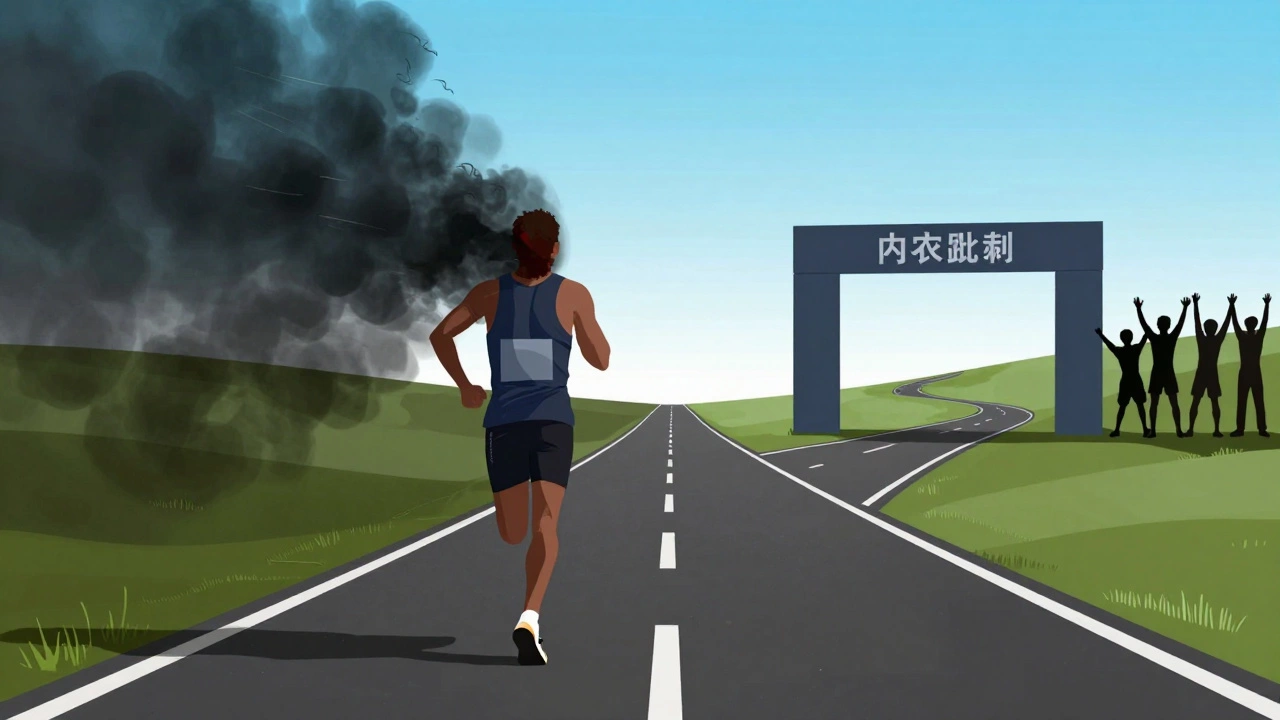
Weather and Environment: Uncontrollable Variables
No matter how well you train, you cannot control the weather. Heat, humidity, cold, and wind all impact performance differently. Heat is particularly dangerous. As your body temperature rises, your heart rate increases to pump blood to the skin for cooling. This raises your perceived effort level significantly.
In hot conditions, aim to run 10-15 seconds per mile slower than your goal pace. Hydration becomes critical. Electrolytes help retain fluid and prevent hyponatremia (low sodium levels), which can be life-threatening. In cold weather, layers are key. You want to stay warm at the start but be able to shed clothes as you warm up. Wind adds resistance. Running into a headwind requires more power output. Adjust your expectations accordingly.
Check the forecast days before the race. Have a backup plan. If it’s raining, wear waterproof socks or accept wet feet. If it’s scorching, carry extra water bottles or use spray bottles at aid stations to cool down.
Training Gaps: Underestimating Long Runs
Your longest training run should ideally be 18 to 22 miles. Some plans suggest 20, others 22. The goal is not to simulate the entire race but to teach your body to run on tired legs and manage fuel for extended periods. Skipping long runs or cutting them short leaves you unprepared for the late-stage fatigue.
Quality matters more than quantity. A 20-mile run done at an easy conversational pace is better than 16 miles at threshold pace. Easy runs build aerobic capacity and mitochondrial density. They also reinforce proper mechanics without excessive stress. Include at least three long runs of 18+ miles in your final eight weeks of training.
Recovery is equally important. Rest days allow muscle repair and adaptation. Overtraining leads to burnout, injury, and poor performance. Listen to your body. If you feel exhausted, take an extra rest day. Consistency over months beats intensity over weeks.
Equipment Failures: Blisters and Chafing
Nothing ruins a run faster than a blister or severe chafing. These issues stem from friction. Moisture, sweat, and repetitive motion create heat and rubbing. To prevent blisters, wear moisture-wicking socks and break in your shoes thoroughly. New shoes on race day are a recipe for disaster.
Apply anti-chafe balms like Body Glide or Vaseline to sensitive areas: inner thighs, underarms, nipples (for men), and feet. Test these products during long runs. If something causes irritation, change it immediately. Don’t hope it will get better. It won’t.
Foot care is vital. Trim toenails straight across to prevent ingrown nails or black toenails. Keep feet dry. Change socks if possible at mid-race points. Some runners carry spare socks in their drop bags. Every little bit helps preserve comfort.
What is the hardest mile in a marathon?
For most runners, miles 18 to 22 are the toughest. This is when glycogen stores deplete, leading to "the wall." Mental fatigue peaks here as well. However, individual experiences vary based on pacing, fueling, and fitness level.
How do I avoid hitting the wall?
Consume 30-60 grams of carbohydrates per hour during both training and the race. Practice this strategy on long runs to ensure your stomach tolerates it. Start fueling early, around mile 4, and continue steadily throughout the race.
Is the mental challenge worse than the physical?
Many experienced runners say yes. Physical pain is expected and manageable with preparation. Mental doubt and boredom can derail even fit athletes. Developing coping strategies like visualization and chunking the race is essential.
Should I run my first marathon at goal pace?
No. Run the first 5K slightly slower than your goal pace. Adrenaline can cause you to start too fast, leading to early fatigue. Save energy for the latter half of the race when discipline matters more than speed.
How important is strength training for marathons?
Very important. Strength training improves running economy, prevents injuries, and maintains form under fatigue. Focus on core stability, single-leg exercises, and hip strength. Two sessions per week are sufficient for most runners.