Sports Equipment Maintenance Planner
Estimate when to replace your running shoes based on distance.
Your expensive running shoes are starting to smell like a locker room from 1995. Your tennis racket strings feel dead after just two weeks. That high-end yoga mat is peeling at the edges. Sound familiar? It shouldn’t. Most athletes treat their gear like disposable items, but proper sports equipment maintenance isn’t just about keeping things looking shiny-it’s about performance, safety, and saving your wallet.
We often buy new gear because we think it will make us faster, stronger, or more accurate. But neglected gear does the opposite. Worn-out soles change your biomechanics. Dirty weights harbor bacteria that cause skin infections. Rusty bike chains strip gears mid-ride. The good news? You don’t need a chemistry degree to fix this. With a few simple habits, you can double the lifespan of your kit and keep performing at your peak.
The Golden Rule: Clean After Every Use
It sounds obvious, but most people skip it. Sweat is acidic. Saltwater is corrosive. Mud is abrasive. If you leave any of these on your gear, they start breaking down materials immediately. Think of sweat as slow-moving acid eating away at synthetic fabrics and leather.
Why do I need to clean my gear right after using it?
Sweat contains salts and acids that break down fibers, corrode metals, and promote bacterial growth. Cleaning immediately prevents permanent staining, odor buildup, and material degradation.
For footwear, pull out the insoles and let them air dry separately. Stuff the shoes with newspaper to absorb moisture-never put them near a heater, which warps the glue. For clothing, rinse synthetic activewear inside out with cold water before washing. Hot water melts the elastic fibers that give compression gear its shape.
If you play outdoor sports, brush off mud while it’s still damp. Once it dries, it becomes sandpaper against your fabric. A quick hose-down for bikes or skis removes grit that causes friction and wear. This five-minute habit saves hours of scrubbing later.
Storage Matters More Than You Think
Where you keep your gear when not in use determines how long it lasts. Heat, light, and humidity are the silent killers of sports equipment. Leaving your golf clubs in a hot car trunk degrades the grip tape and weakens the shafts. Storing rubber mats in direct sunlight makes them brittle and prone to cracking.
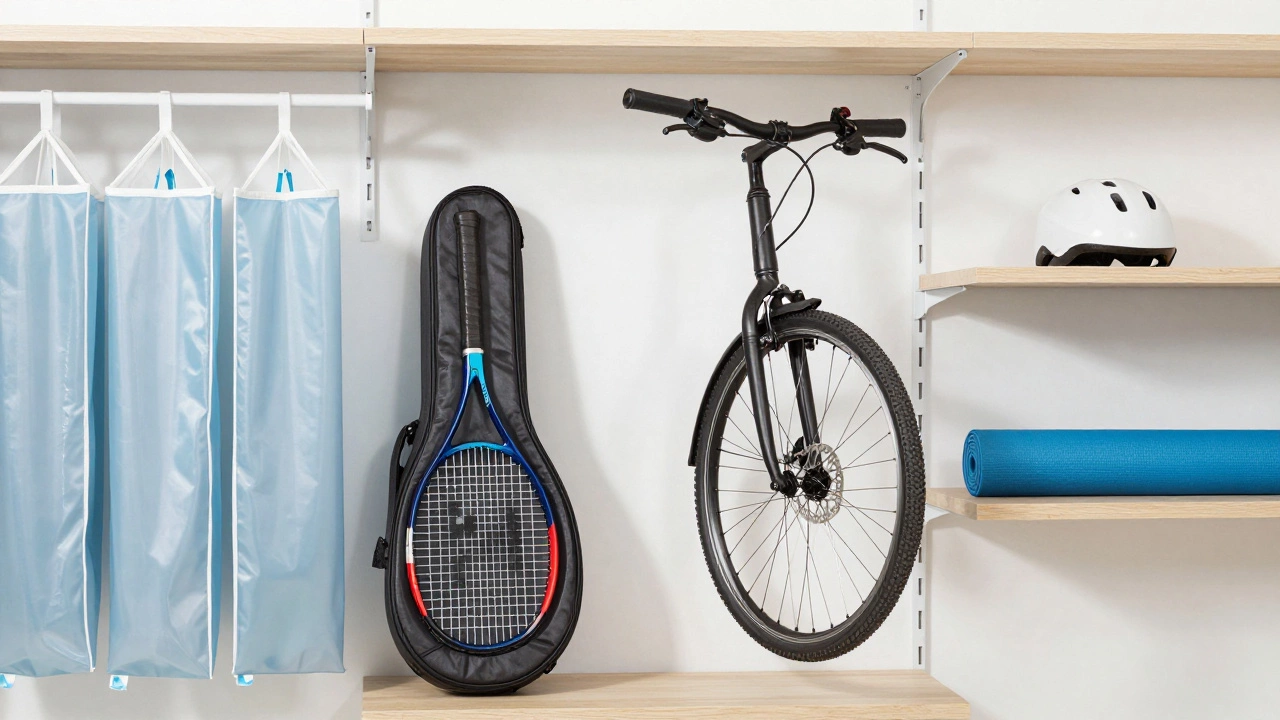
Invest in breathable storage bags for helmets and pads. Plastic bins trap moisture and create a breeding ground for mold. Keep rackets in their cases, not leaning against walls where temperature fluctuations warp the frame. For winter sports, store skis and snowboards vertically in a cool, dry place with wax applied to protect the base.
Airflow is your friend. Never seal wet gear in a bag. Even if it feels dry, residual moisture inside foam padding creates mildew within days. Use silica gel packets in shoe boxes or glove compartments to control humidity levels.
Footwear: The Foundation of Performance
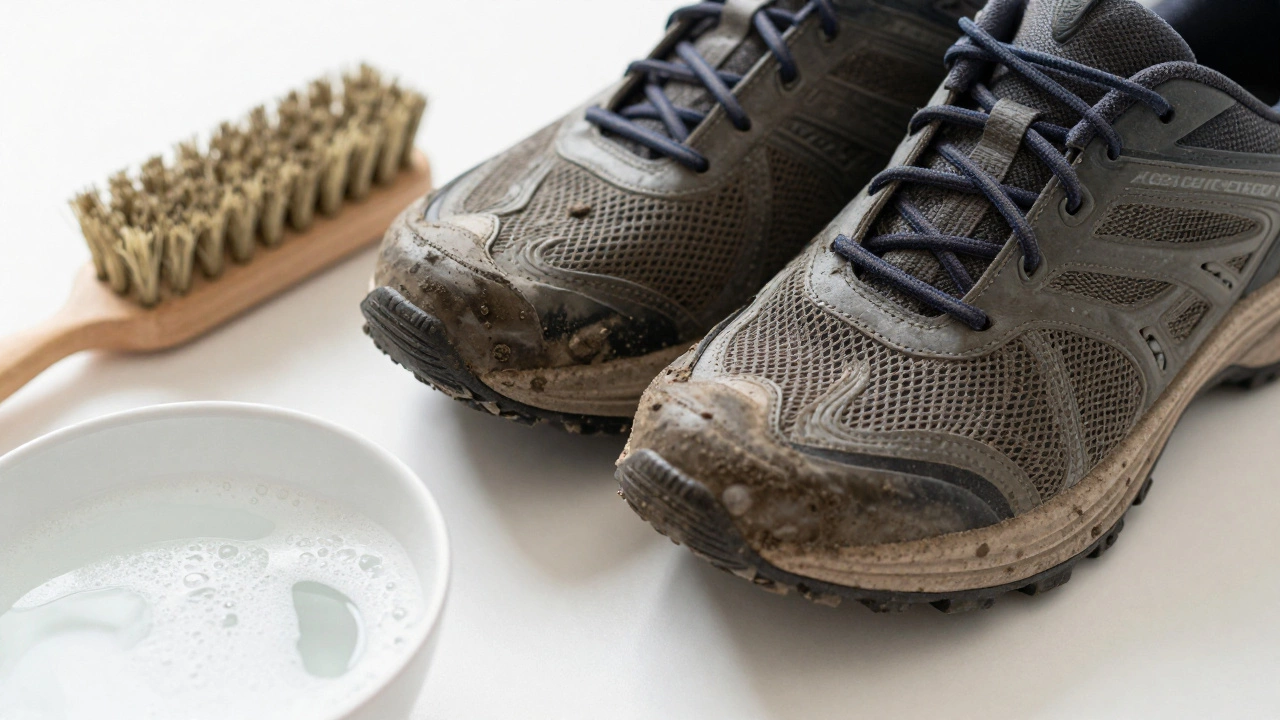
Athletic Shoes are specialized footwear designed to support movement patterns specific to various sports. They typically last between 300-500 miles depending on usage intensity and surface type.Shoes take the biggest beating. Running shoes lose cushioning effectiveness after about 400 kilometers, even if they look fine. Check the midsole for creasing-if you see deep cracks, the foam has compressed beyond recovery. Walking on worn midsoles increases injury risk by up to 30% according to biomechanical studies.
Clean sneakers with a soft brush and mild soap solution. Avoid washing machines unless the manufacturer explicitly says it’s safe-the agitation damages internal structures. Rotate between two pairs if possible; giving each pair 24 hours to decompress extends their life significantly.
Replace laces when they fray. Weak laces mean poor fit, which leads to blisters and instability. Keep spare sets in your gym bag. For cleats, remove dirt from the studs after every game. Caked-on mud adds weight and changes traction characteristics.
Racquet and Bat Care
Tennis rackets, badminton racquets, and baseball bats all share a common vulnerability: tension loss and structural fatigue. String tension drops naturally over time due to vibration and impact. Unstrung rackets should be stored loosely strung or without tension to prevent frame deformation.
Check your strings regularly. Look for fraying near the grommets (the plastic tubes where strings enter the frame). Frayed strings snap unexpectedly during play, potentially damaging the frame. Replace strings before they break completely.
For wooden bats, apply linseed oil monthly to prevent drying and cracking. Aluminum bats need less care but require inspection for dents that affect balance. Always check the handle grip condition-slippery grips reduce control and increase wrist strain.
| Component | Inspection Frequency | Action Required |
|---|---|---|
| Strings | Before each session | Replace if frayed or lost tension |
| Grommets | Monthly | Replace cracked or missing pieces |
| Frame | Quarterly | Check for cracks or delamination |
| Grip | Every 2 months | Re-wrap if slippery or worn |
Protective Gear Hygiene
Helmets, shin guards, and mouthguards collect sweat, saliva, and skin cells. These organic materials feed bacteria that cause unpleasant odors and potential infections. Hard shells wipe easily with disinfectant wipes, but removable padding needs special attention.
Remove foam liners from helmets and wash them in lukewarm water with antibacterial soap. Air dry completely before reinstalling. Never machine wash helmet interiors-the heat shrinks foam and compromises impact protection. Mouthguards soak in denture cleaner weekly to eliminate biofilm buildup.
Leather protective gear requires conditioning to maintain flexibility. Dry leather cracks under impact, reducing protection. Apply leather conditioner every three months during heavy use seasons. Store padded gear flat, not folded, to preserve shape and cushioning integrity.
Metal and Composite Equipment
Bikes, golf clubs, and dumbbells face different threats than soft goods. Metal rusts when exposed to moisture. Composite materials degrade under UV exposure. Proper lubrication and coating application prevent costly replacements.
Chain drive systems need regular cleaning and lubrication. Buildup of old grease attracts dirt that acts like grinding paste on chainrings. Use biodegradable chain lube for indoor training, switch to waterproof formula for outdoor rides. Wipe excess lubricant off after application-too much collects grime.
Golf club heads benefit from occasional polishing with metal polish to remove oxidation. Shafts, especially graphite ones, should be inspected for cracks near the hosel connection. Dumbbells and kettlebells need rubber bumpers checked for splits that expose metal cores to floor surfaces.
When to Replace vs. Repair
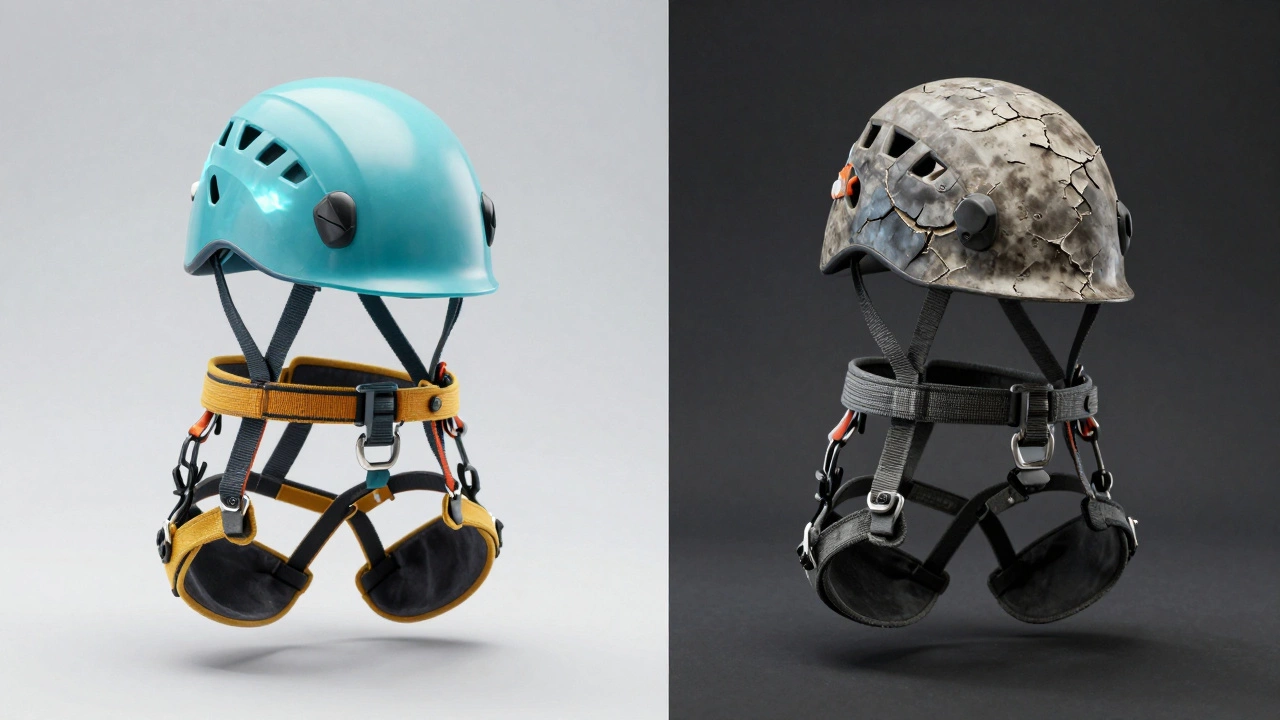
Not everything can be saved. Knowing when to retire gear protects your health and performance. Safety-critical equipment like climbing harnesses, ski bindings, and motorcycle helmets have strict expiration dates based on usage cycles and material aging.
Follow manufacturer guidelines for replacement intervals. Most climbing gear expires after five years regardless of visible wear. Ski bindings must be professionally adjusted annually and replaced after significant impacts. Helmets should be swapped after any crash, even minor ones-internal foam compression isn't always visible.
For non-safety items, calculate cost-effectiveness. Re-stringing a racket costs less than buying new. Sole replacement on quality boots may save money compared to full purchase. But cheap mass-produced items often aren’t worth repairing-the labor cost exceeds the item value.
Seasonal Transition Protocols
As seasons change, so should your maintenance routine. Summer brings sweat and salt; winter introduces moisture and cold damage. Transition periods are ideal times for deep cleaning and inspection.
Before storing summer gear for winter, wash everything thoroughly and ensure complete drying. Treat leather items with preservative oils. Inspect seams and zippers for stress points that weakened during peak usage. Winter gear needs post-season degreasing to remove road salt residue that accelerates corrosion.
Create a seasonal checklist tailored to your activities. Photograph gear condition before storage to track deterioration over time. Note any repairs needed during downtime. Proactive maintenance prevents emergency replacements during competitive seasons.
How often should I replace my running shoes?
Most running shoes need replacement every 400-600 kilometers (250-375 miles). Monitor midsole compression and tread wear rather than relying solely on mileage counts.
Can I wash my sports bras in the washing machine?
Hand washing is preferred for longevity. If using a machine, place bras in mesh laundry bags, use delicate cycle with cold water, and avoid fabric softeners that break down elastic fibers.
What causes foul odors in gym bags?
Bacteria thrive in dark, moist environments. Prevent odors by airing out bags daily, washing removable liners regularly, and never packing sweaty clothes directly into main compartments.
Is it safe to repair cracked bicycle frames?
Aluminum and carbon fiber frames cannot be safely repaired once cracked. Steel frames may be welded by professionals, but safety certification is essential before returning to riding.
How do I remove stubborn stains from white athletic shoes?
Mix baking soda with hydrogen peroxide and water to form a paste. Apply gently with a soft brush, let sit for 30 minutes, then rinse with cold water. Test on small area first to avoid discoloration.