Running Shoe Value Calculator
Discover if expensive racing shoes are actually more economical than daily trainers based on your mileage.
Walk into any major sporting goods store or browse the latest online catalogues in early 2026, and you’ll see a confusing landscape. You’ve got basic trainers for $80 and elite racing spikes pushing past $350. So, how much should you actually spend? The short answer is that "good" running shoes typically fall between $130 and $180. But if you want to understand why some pairs cost double that-and whether you need them-you have to look beyond the price tag.
We’re not just talking about branding here. We’re talking about materials science, durability, and injury prevention. As someone who has tested dozens of models on Sydney’s concrete pavements and coastal trails, I can tell you that paying more doesn’t always mean getting better. In fact, for most runners, spending too much is a waste of money. Let’s break down what you’re actually paying for.
The Three Tiers of Running Shoe Pricing
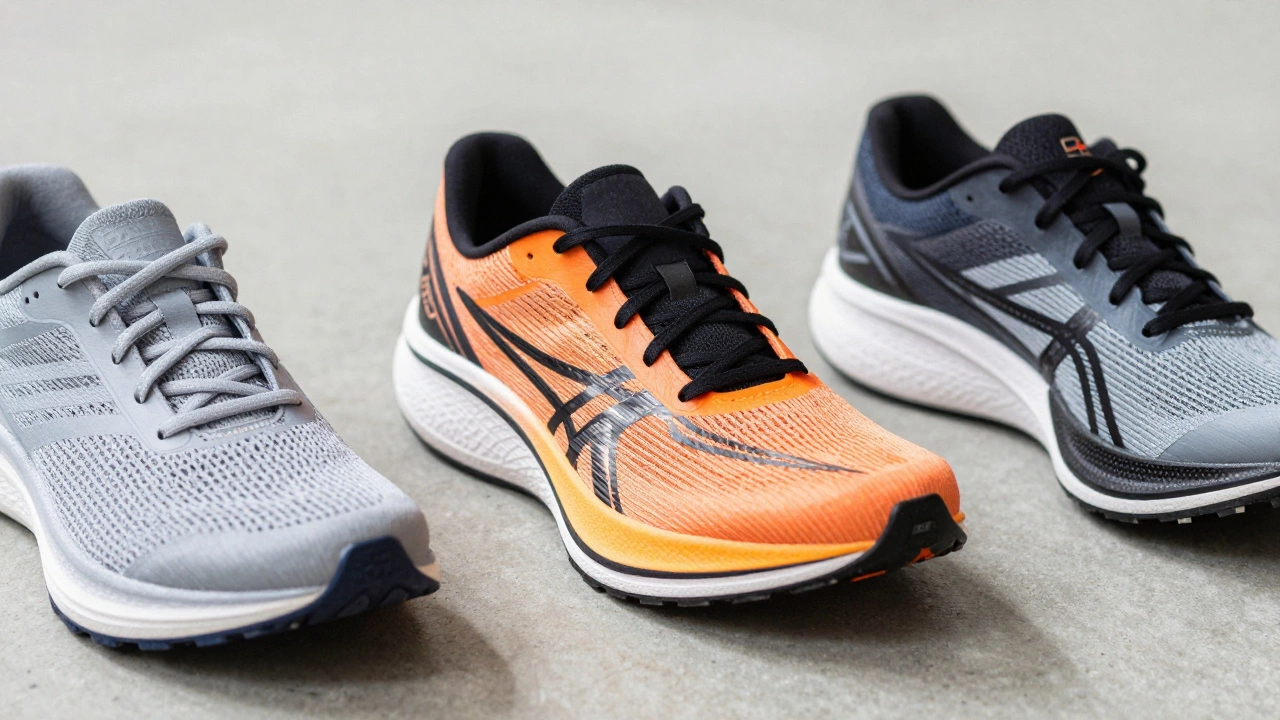
To figure out your budget, you first need to know which category of runner you are. Manufacturers segment their products into three clear tiers, each with a specific purpose and price point.
| Tier | Price Range (AUD) | Target Runner | Key Features |
|---|---|---|---|
| Budget / Entry-Level | $80 - $120 | Casual joggers, beginners | Basic EVA foam, durable rubber outsoles, simple mesh uppers |
| Mid-Range / Daily Trainers | $130 - $180 | Regular runners (20-50km/week) | Advanced foams (PEBA), carbon fiber plates (optional), better breathability |
| Premium / Elite Racing | $200 - $350+ | Competitive athletes, marathoners | Ultra-lightweight materials, full-length carbon plates, proprietary super-foams |
The mid-range tier is where the magic happens for 90% of people. These shoes offer the latest cushioning technology without the fragility of elite racers. If you run three times a week for an hour, this is your sweet spot. Going lower might save you cash now but could lead to discomfort later. Going higher usually buys you speed, not comfort, and those shoes often wear out faster because they’re built thin.
What Drives Up the Cost?
Why does one pair of shoes cost $140 while another looks similar but costs $250? It comes down to three main factors: materials, R&D, and specialization.
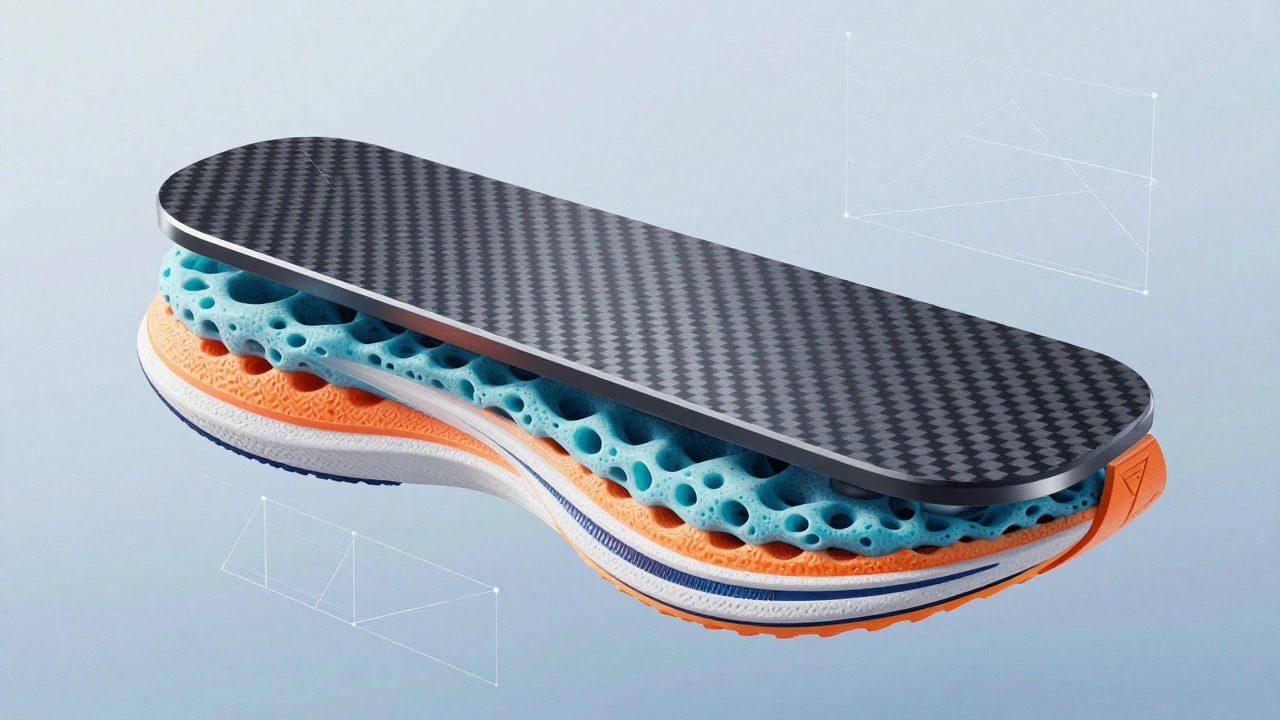
Midsole Foam Technology is the biggest driver. Cheap shoes use standard EVA foam, which is heavy and loses bounce over time. Premium shoes use PEBA-based foams or proprietary blends like Nike’s ZoomX or Adidas’ Lightstrike Pro. These materials are lighter, more responsive, and energy-returning, but they are significantly more expensive to produce. They also tend to be less durable, meaning you might replace them sooner.
Next, consider Carbon Fiber Plates. Introduced widely around 2019, these rigid plates embedded in the sole act like levers, propelling you forward. They require precise engineering and high-quality carbon fiber, adding $50-$100 to the manufacturing cost. While they help elite runners shave seconds off their times, they offer little benefit for casual joggers and can even feel unstable if you don't have good form.
Finally, there’s the brand premium. Established brands like Nike, Nike Inc. and Adidas invest heavily in marketing and athlete sponsorships. That cost is passed on to you. Meanwhile, challenger brands like Hoka, On, or New Balance often provide similar technology at slightly lower price points because they focus more on product performance than celebrity endorsements.
Is It Worth Paying More?
This is the question everyone asks. The answer depends entirely on your goals. If you are training for a marathon or trying to hit a personal best in a 10K, investing in premium shoes makes sense. The marginal gains in energy return can add up over long distances. A study published in the Journal of Sports Sciences showed that carbon-plated shoes could improve running economy by 4% on average. For a competitive runner, that’s huge. For someone jogging for fitness, it’s negligible.
However, there’s a catch: durability. High-performance foams are soft and bouncy, but they compress faster. An elite racing shoe might only last 300-400 kilometers before the foam bottoms out. A sturdy daily trainer in the $150 range might last 800-1000 kilometers. When you calculate the cost per kilometer, the cheaper shoe often wins.
Think of it like cars. You wouldn’t buy a Formula 1 car for your daily commute to work. It’s fast, yes, but it’s fragile, uncomfortable, and impractical. Similarly, buying $300 racing shoes for your easy recovery runs is a mistake. Save the expensive shoes for race day or hard workouts, and keep a reliable, mid-priced pair for your everyday miles.
Hidden Costs to Consider
The sticker price isn’t the only expense. When budgeting for running gear, factor in these hidden costs:
- Replacement Frequency: Most experts recommend replacing running shoes every 500-800 km. If you buy cheap shoes that wear out in 400 km, you’ll end up spending more annually than if you bought mid-range shoes that last 700 km.
- Injury Prevention: Poorly fitted or inadequate shoes can lead to shin splints, plantar fasciitis, or knee pain. Treating these injuries costs far more than a new pair of shoes. Investing in proper fit and support is an investment in your health.
- Socks and Accessories: Don’t ruin expensive shoes with cheap cotton socks. Moisture-wicking synthetic or wool socks ($15-$25) reduce blister risk and extend the life of your footwear by keeping feet dry.
How to Get the Best Deal in 2026
You rarely need to pay full retail price. Here’s how smart runners save money without sacrificing quality:
- Buy Last Year’s Model: Brands release new versions annually. The 2025 version of a popular shoe is often identical to the 2026 model but discounted by 20-30%. The changes are usually minor aesthetic tweaks or slight foam adjustments that won’t affect your run.
- Check Outlet Stores: Both physical outlets and online clearance sections stock discontinued colors or sizes. You can often find premium shoes for mid-range prices.
- Wait for Sales Events: Black Friday, Cyber Monday, and end-of-season sales (January and July) offer significant discounts. Sign up for newsletters from major retailers to get early access codes.
- Consider Second-Hand: Platforms like eBay or local running groups sometimes sell gently used shoes. If the tread is intact and the foam hasn’t compressed, you can save 50%. Just ensure you try them on first.
Finding Your Fit Without Breaking the Bank
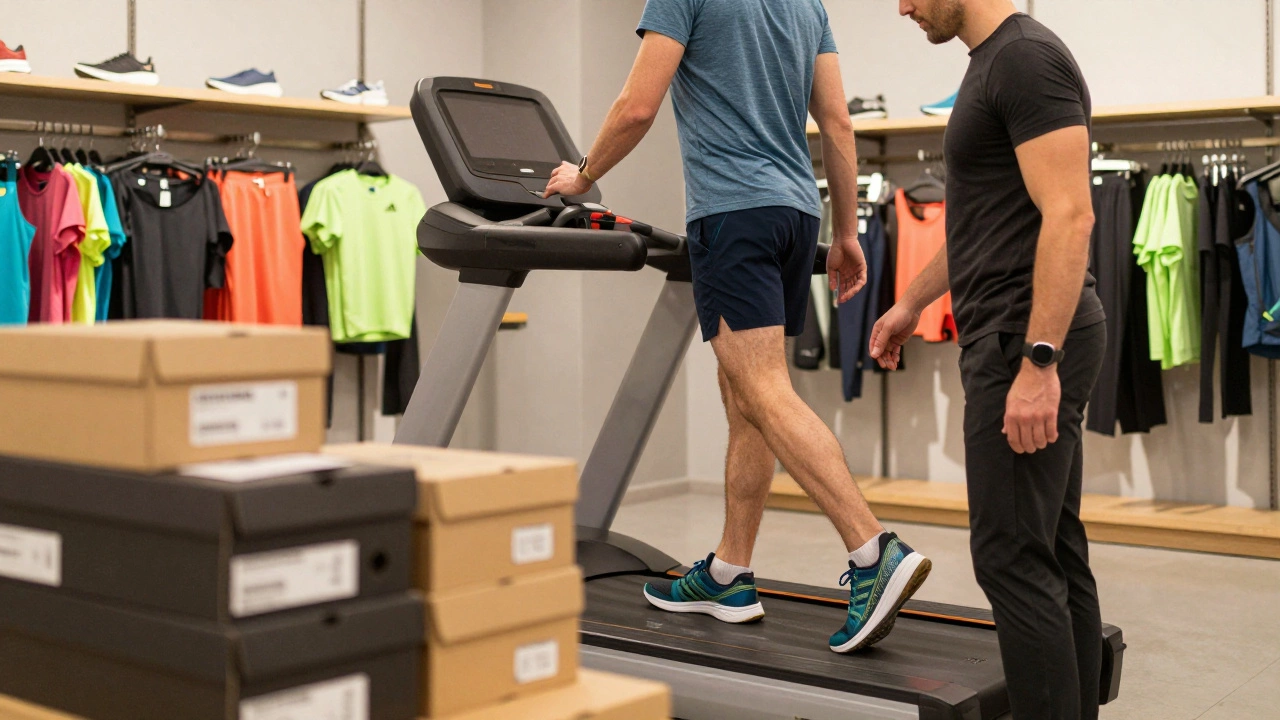
The most expensive shoe in the world will hurt if it doesn’t fit your foot. Before you worry about price, worry about fit. Visit a specialty running store for a gait analysis. Many stores offer this for free. They’ll determine if you’re a neutral runner, overpronator, or supinator, which dictates the type of shoe you need.
If you’re neutral, you have the widest choice and can pick based on cushioning preference. If you overpronate, you might need stability features, which are common in mid-range shoes. Don’t buy stability shoes unless you need them-they’re heavier and less flexible.
Also, consider the width. Standard widths (D for men, B for women) fit most people, but if you have wide feet, forcing them into narrow shoes causes blisters and black toenails. Brands like Altra and Topo Athletic offer wider toe boxes as standard, often at competitive prices.
Final Thoughts on Value
So, how expensive are good running shoes? Aim for $130-$180 AUD. This gets you modern foam technology, decent durability, and comfort for regular training. Spend less only if you’re running very casually or on a tight budget. Spend more only if you’re competing seriously and need every ounce of speed advantage.
Remember, the best running shoe is the one you’ll actually wear. It should feel comfortable from the moment you put it on, with no break-in period required. If you have to walk around the store for ten minutes to test it, it’s probably not right. Trust your feet, not the hype.
Are expensive running shoes really better than cheap ones?
Not necessarily. Expensive shoes often feature advanced materials like carbon plates and super-foams that benefit competitive runners seeking speed. However, for casual runners, mid-range shoes ($130-$180) offer the best balance of comfort, durability, and performance. Cheap shoes may lack cushioning and support, leading to discomfort or injury over time.
How often should I replace my running shoes?
Most running shoes should be replaced every 500 to 800 kilometers. Signs it's time for new shoes include worn-out treads, visible creases in the midsole foam, or increased joint pain after runs. If you run frequently, you might need two pairs to rotate, extending the life of each.
Do I need carbon-plated shoes?
Only if you are a competitive runner aiming to improve your race times. Carbon plates add stiffness and propulsion, which helps at faster paces. For easy runs or beginners, they can feel unstable and unnecessary. Stick to traditional foam shoes for daily training.
Can I buy last year's model to save money?
Yes, absolutely. Running shoe technology evolves slowly. The differences between annual models are often minimal-sometimes just color changes or slight foam tweaks. Buying last year’s version can save you 20-30% with no noticeable drop in performance.
What is the best budget running shoe brand?
Brands like Skechers, Asics (entry-level lines), and New Balance offer solid options under $120. Look for models with adequate cushioning and durable rubber outsoles. Avoid ultra-lightweight racing shoes in the budget category, as they may lack necessary support.