Boxing Terminology Explorer
Discover the history behind the names of the sport. Click on a term to learn its origin, era, and meaning.
You walk into a gym, see people hitting bags and sparring partners, and everyone calls it "boxing." It’s simple, right? But if you dig a little deeper, you’ll find that this sport has worn many names throughout its long, bloody history. People often ask, what is boxing actually called? Is there a secret technical term we’re all missing? Or is "boxing" just the short version of something more formal?
The truth is a bit of both. While "boxing" is the standard modern term, the sport has been known as pugilism, the art or practice of fighting with the fists, prizefighting, and even bare-knuckle fighting depending on the era and the rules being followed. Understanding these terms isn’t just trivia; it helps you understand how the sport evolved from chaotic street brawls to the regulated athletic competition we watch today.
Pugilism: The Formal Root of the Word
If you want to sound like a historian or an old-school promoter, use the word pugilism. This term comes from the Latin word pugil, which literally means "fist." So, when someone refers to a boxer as a "pugilist," they are technically calling them a "fist-fighter." It sounds fancy, but it’s accurate.
Pugilism covers the broader concept of fighting with fists, including historical variations that don’t fit neatly into modern Olympic boxing. For instance, ancient Greek pugilism involved leather straps wrapped around hands, sometimes reinforced with metal. That’s quite different from the padded gloves we see in Sydney’s local clubs today. Yet, the core mechanic-striking with closed fists-remains the same. If you read older literature or watch classic films, you’ll hear characters referred to as "men of the ring" or "pugils." It adds weight to the tradition.
Prizefighting: When Money Was the Main Rule
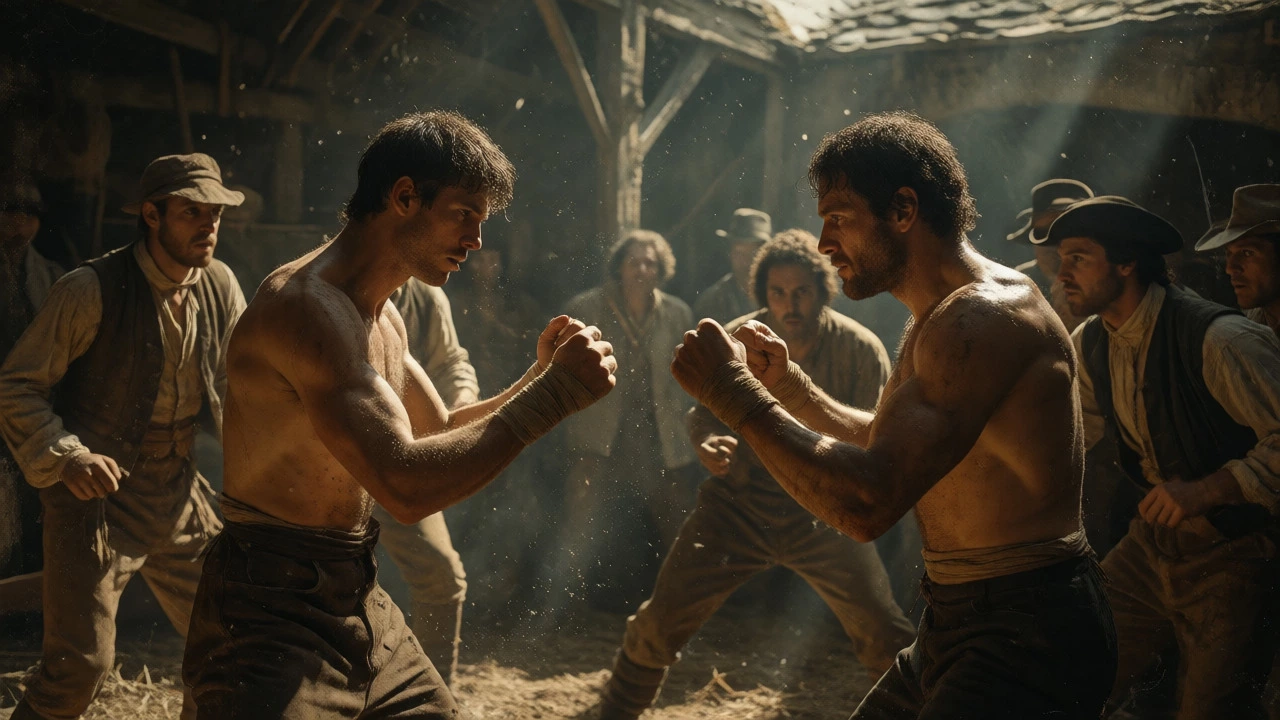
Before boxing became a standardized sport, it was primarily about money. Hence, the name prizefighting, a contest for a monetary prize between two fighters. In the 18th and 19th centuries, especially in Britain and America, matches were organized by promoters who took bets from spectators. The fighters weren’t athletes in the modern sense; they were entertainers and laborers fighting for a purse (the prize money).
This distinction matters because "prizefighting" implies a specific set of conditions. There were no time limits in early fights. Rounds could last until one man couldn’t stand up anymore. There were no referees stepping in to stop a beating. The term fell out of common usage as the Marquess of Queensberry Rules introduced standardized rounds, gloves, and rest periods in the late 1800s. Today, using "prizefighting" usually refers to high-stakes professional bouts where the financial incentive is massive, or it’s used nostalgically to describe the grittier, less-regulated past of the sport.
Bare-Knuckle Fighting: The Raw Ancestor
You might think boxing always involved gloves. It didn’t. For centuries, the official name for the sport was essentially "bare-knuckle fighting." Without gloves, the strategy was completely different. You couldn’t throw wild haymakers because you’d break your hand on an opponent’s skull. Fighters relied on speed, precision, and grappling.
Interestingly, bare-knuckle boxing hasn’t disappeared. Organizations like the Bare Knuckle Fighting Championship (BKFC) have revived the format, allowing fans to experience the raw intensity of pre-glove combat. When people ask what boxing is called without equipment, they are referring to this style. It’s a distinct sub-category, not just "boxing without gloves." The rules differ significantly: shorter rounds, different scoring criteria, and a focus on endurance over volume punching.
Sweet Science: The Poetic Nickname
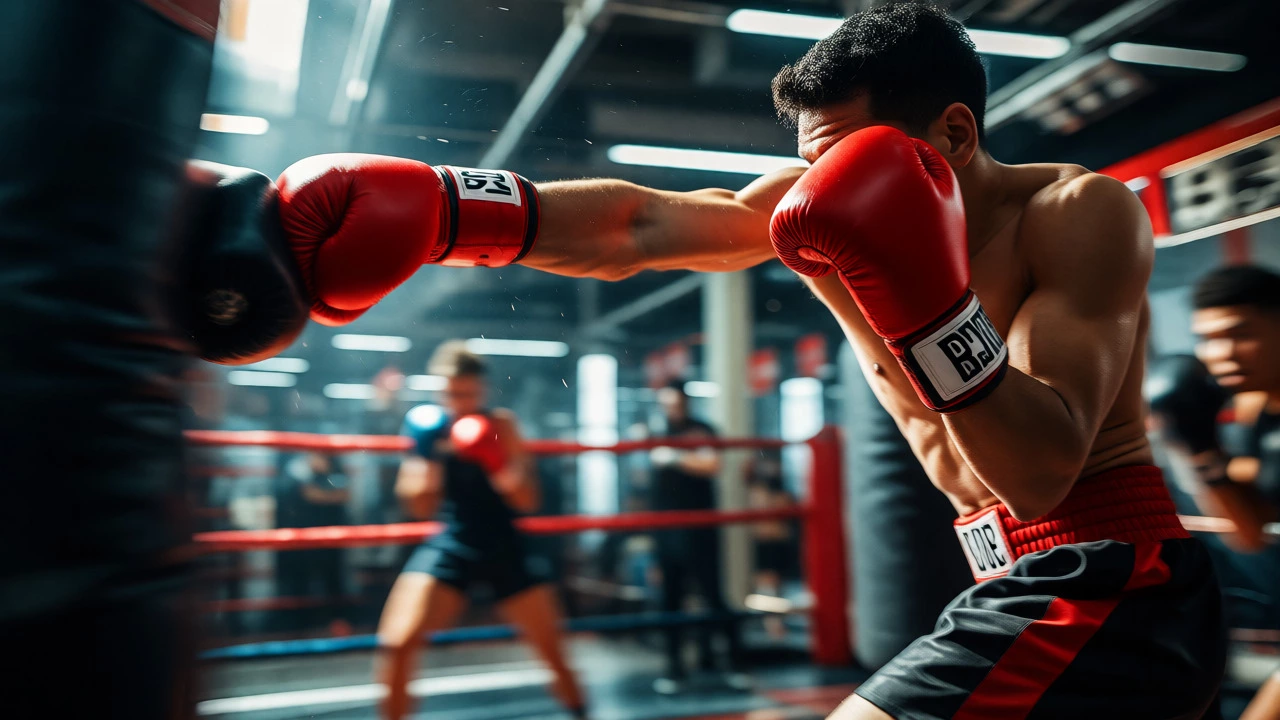
Boxers themselves rarely call it "pugilism" in casual conversation. They prefer the nickname sweet science, a metaphorical term highlighting the technical complexity of boxing. This phrase gained popularity in the mid-20th century, largely thanks to writer A.J. Liebling. He argued that boxing wasn’t just brute force; it required intelligence, timing, and geometry.
Why "science"? Because successful boxers study their opponents, adjust distances, and manage energy like engineers. Why "sweet"? Probably because winning feels good, or perhaps it’s ironic given the pain involved. Regardless, if you tell a trainer you want to learn the "sweet science," they’ll know you respect the technical side of the craft. It’s not the official regulatory name, but it’s the cultural identity of the community.
Global Variations and Regional Names
While English speakers say "boxing," other cultures have their own terms that reflect local traditions. In Thailand, Muay Thai, a martial art known as the 'Art of Eight Limbs', involves fists, elbows, knees, and shins. It’s not called boxing, though it shares DNA. In France, Savate uses kicks and punches but is distinct from Western boxing. In Russia, Sambo includes striking elements but focuses heavily on wrestling.
However, within the realm of Western-style fist fighting, the terminology remains surprisingly consistent across English-speaking countries. Whether you’re in London, New York, or Sydney, you go to a "boxing gym," join a "boxing club," or watch a "boxing match." The International Boxing Association (AIBA), now known as World Boxing, standardizes the rules globally, ensuring that "amateur boxing" and "professional boxing" mean the same thing everywhere.
Amateur vs. Professional: Different Labels, Same Core
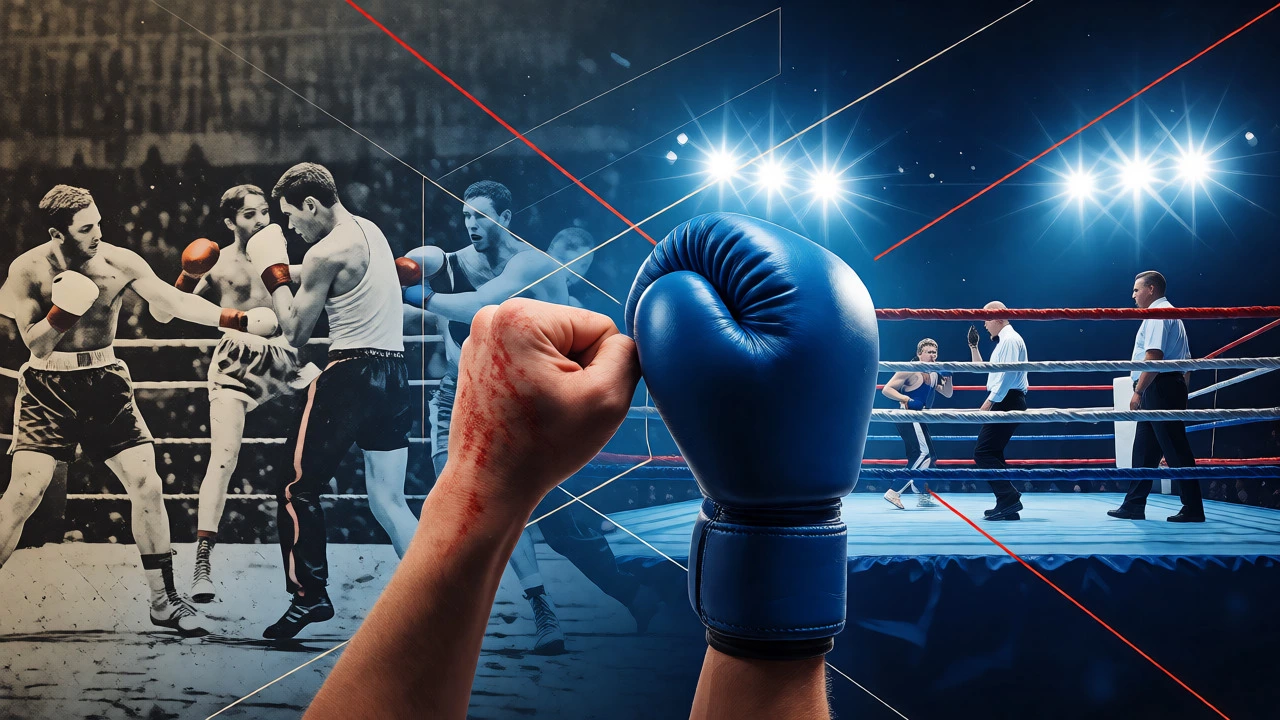
A major source of confusion is the split between amateur and professional boxing. Are they the same sport? Technically, yes. Both involve two competitors hitting each other with gloved fists. But the labels change based on payment and rules.
| Term | Era/Context | Key Characteristics | Current Usage |
|---|---|---|---|
| Boxing | Modern General | Gloves, rounds, referee, points system | Standard term for all regulated forms |
| Pugilism | Historical/Formal | Fist fighting in general | Literary or academic contexts |
| Prizefighting | 18th-19th Century | No time limits, betting focused | Nostalgic or high-profile pro bouts |
| Bare-Knuckle | Pre-1867 & Modern Revival | No gloves, hand wraps only | Specific niche organizations (e.g., BKFC) |
| Sweet Science | Cultural/Slang | Emphasizes technique over violence | Used by enthusiasts and media |
Amateur boxing, formerly known as Olympic boxing, emphasizes speed and point-scoring. Fights are shorter (three rounds typically). Professional boxing allows for longer duration (up to 12 rounds) and focuses on knockouts or decision wins based on damage. The term "Olympic boxing" is still widely used to distinguish the amateur style from the pro circuit, even though the governing bodies have shifted recently.
Why Does the Name Matter?
Knowing these terms helps you navigate conversations better. If you’re new to the sport, saying "I’m interested in pugilism" might get you odd looks at a local gym, but saying "I want to learn the sweet science" shows you’ve done some reading. If you’re researching history, searching for "prizefighting records" will yield different results than "boxing statistics."
Moreover, the evolution of the name reflects the evolution of safety. The shift from "prizefighting" to "boxing" marks the move from unregulated brutality to a sport with medical checks, headgear (in amateurs), and strict round limits. It’s a testament to how society tries to tame violence through structure.
Is pugilism the same as boxing?
Yes, effectively. Pugilism is the formal, archaic term for the art of fighting with fists. All modern boxing is a form of pugilism, but not all pugilism fits the strict rules of modern boxing (e.g., ancient Greek styles or bare-knuckle variants).
Why is boxing called the sweet science?
The term highlights the technical and strategic depth of the sport. It suggests that boxing requires intelligence, timing, and skill ('science') rather than just brute strength, and the thrill of mastery makes it 'sweet' to practitioners.
What is the difference between prizefighting and boxing?
Prizefighting refers to the historical era where fights were for money with few rules, no time limits, and often no gloves. Modern boxing is highly regulated with fixed rounds, mandatory gloves, and professional oversight. Today, 'prizefighting' is mostly used colloquially for big-money professional matches.
Do they still do bare-knuckle boxing?
Yes. While mainstream professional boxing requires gloves, organizations like the Bare Knuckle Fighting Championship (BKFC) hold sanctioned events where fighters compete without gloves, adhering to specific safety protocols different from traditional boxing.
Is Muay Thai considered boxing?
No, Muay Thai is a separate martial art known as the 'Art of Eight Limbs' because it utilizes fists, elbows, knees, and shins. While it shares striking principles with boxing, it is distinct in technique, stance, and rules.