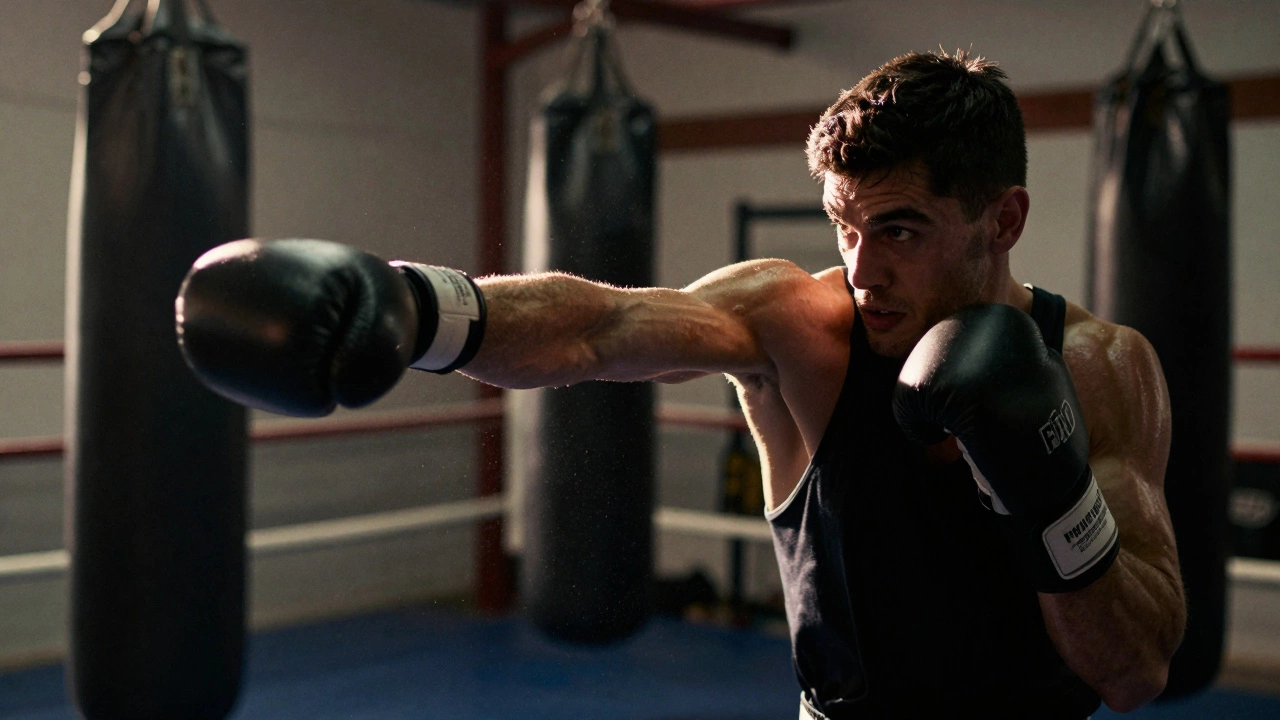
Boxing Punch Numbering System & Combination Builder
#1 Jab
Lead Hand Straight
Distance Control#2 Cross
Rear Hand Straight
Power Shot#3 Lead Hook
Lead Hand Arc
Angle Changer#4 Rear Hook
Rear Hand Arc
Heavy Hitter#5 Lead Uppercut
Lead Hand Upward
Close Range#6 Rear Uppercut
Rear Hand Upward
Devastating PowerCombination Breakdown:
Ever watched a boxing match and heard the trainer shout "Jab! Cross!" or seen a fighter count off combinations like "One-two-three"? It’s not just noise. Every punch in boxing has a number, and understanding these numbers is the key to unlocking how fighters move, strike, and defend.
If you are new to the ring, the system might seem arbitrary. Why is the jab a one? Why does the right hook get a three? The answer lies in logic, anatomy, and tradition. Learning the boxing punches numbering system gives you a universal language. Whether you are sparring, watching a pro fight on TV, or training with a coach, knowing what "1-2-3" means allows you to visualize the action instantly.
The Foundation: The Jab (Punch #1)
The jab is the most important punch in boxing. Period. Without a good jab, you have no offense. It is the first punch taught to beginners because it is the safest way to engage an opponent. Since it comes from your lead hand, it is always the furthest away from your target, meaning it travels the shortest distance if you keep your hands up.
Why is it number one? Because it is the starter. You rarely throw a heavy power punch without setting it up first. The jab probes defenses, disrupts rhythm, and keeps opponents at bay. In a combination, it opens the door. If you miss with a cross or a hook, you risk getting hit back. But if you miss with a jab, you can quickly retract and reset. Think of the jab as a flashlight in the dark; it shows you where your opponent is before you commit to anything else.
- Mechanics: Extend the lead arm straight out, rotating the fist so the thumb ends up facing down. Snap it back immediately.
- Purpose: Measure distance, distract, stun, and score points.
- Common Mistake: Dropping the non-punching hand while throwing the jab, leaving your chin exposed.
The Power Shot: The Cross (Punch #2)
If the jab is the setup, the cross is the payoff. This is your rear hand shot. For an orthodox fighter (left foot forward), this is the right hand. For a southpaw, it is the left hand. It is called a "cross" because the arm crosses over the body's midline to travel in a straight line toward the target.
This punch carries the most potential power among straight shots because it utilizes the entire kinetic chain. You push off the rear foot, rotate the hips, turn the shoulders, and extend the arm. It is not just an arm punch; it is a full-body movement. When executed correctly, the cross can end a fight. However, it leaves you more vulnerable than the jab because your rear hand is gone from its defensive position longer.
The classic "1-2" combination-jab followed by cross-is the bread and butter of boxing. The jab distracts or blocks vision, allowing the cross to land cleanly. Mastering the timing between these two is essential for any boxer.
The Angle Changer: The Lead Hook (Punch #3)
Now we move away from straight lines. The lead hook is a curved punch thrown with your front hand. Unlike the jab, which extends straight out, the hook bends the elbow at roughly 90 degrees and swings horizontally. It is designed to go around an opponent’s guard or catch them when they are moving laterally.
Why is it number three? In traditional counting, after the straight punches (1 and 2), the hooks follow. The lead hook is faster than the rear hook because it comes from the closer hand. It is often used to set up the rear hook or to attack the body. A well-placed lead hook to the body can drain an opponent’s stamina quickly.
The danger of the hook is that it requires commitment. You cannot snap it back as easily as a jab. If you miss, you are off-balance. Therefore, accuracy is critical. Boxers often use the lead hook to counter an opponent who is stepping in aggressively.
The Heavy Hitter: The Rear Hook (Punch #4)
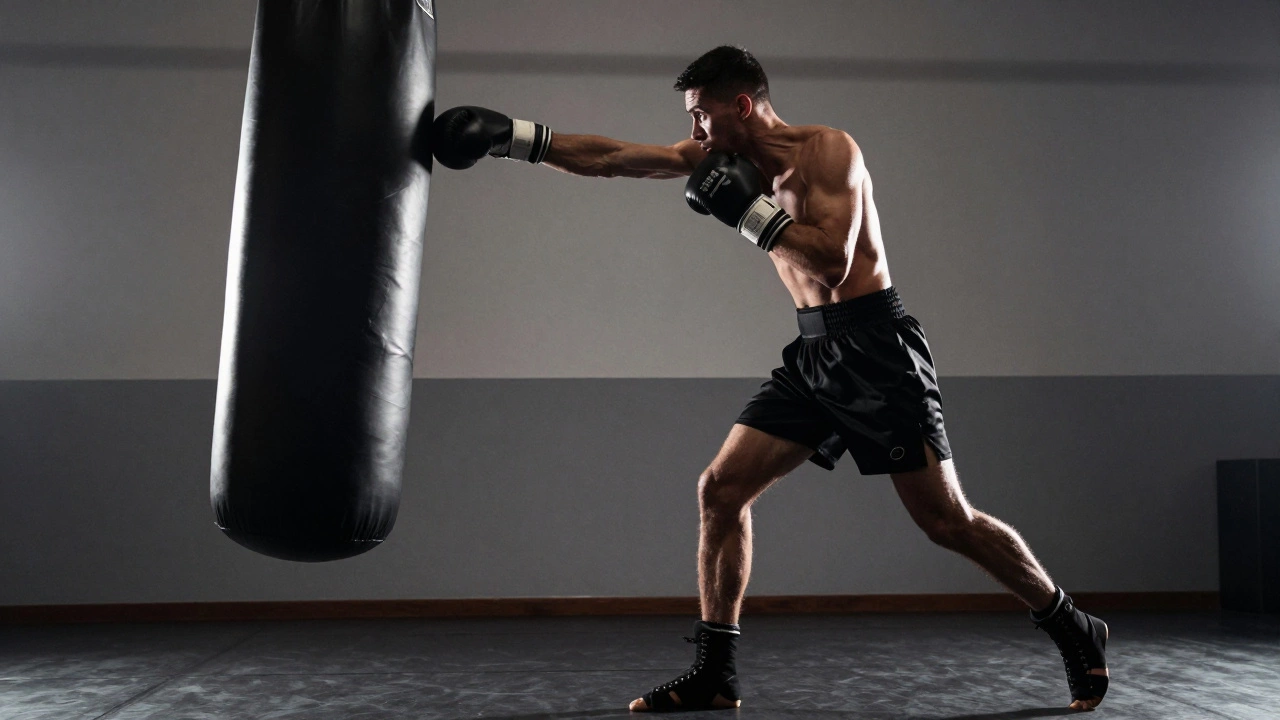
The rear hook is the heavier cousin of the lead hook. Thrown with your back hand, it generates massive power through rotation. Imagine winding up a spring and releasing it. Your hips twist violently, driving the shoulder forward and swinging the arm in a wide arc.
This punch is dangerous because it often catches opponents off-guard. Most people expect straight punches. When you throw a rear hook, you are attacking from an angle they may not be covering. However, it is also risky. It takes time to wind up, and if you miss, you leave your entire side open. Professional boxers often disguise the rear hook behind a series of jabs or feints.
In combinations, the rear hook often follows the lead hook (3-4) or comes after a double jab (1-1-4). It is a finisher’s punch, meant to capitalize on openings created by earlier strikes.
The Uppercut: Lead and Rear (Punches #5 and #6)
Uppercuts are vertical punches. Instead of going straight or curving sideways, they drive upward. They are primarily used in close quarters, inside the opponent’s reach. When you are tangled up with an opponent who has their gloves high, you cannot throw a straight punch. That is when you dig under their guard with an uppercut.
Number 5: The Lead Uppercut. This punch starts low, near your waist, and drives up using leg extension and shoulder lift. It is quick and deceptive. It is often used to stop an opponent from advancing or to set up a rear uppercut.
Number 6: The Rear Uppercut. Similar to the lead version but with more power due to the involvement of the rear leg and hip rotation. This is a knockout punch. Because it lifts the opponent’s head, it can cause whiplash effects. However, uppercuts require precise timing. Throw them too early, and you hit air. Throw them too late, and you get countered.
| Number | Punch Name | Hand Used | Trajectory | Primary Use |
|---|---|---|---|---|
| 1 | Jab | Lead Hand | Straight | Distance control, setup |
| 2 | Cross | Rear Hand | Straight | Power, finishing |
| 3 | Lead Hook | Lead Hand | Horizontal Arc | Bypassing guard, body shots |
| 4 | Rear Hook | Rear Hand | Horizontal Arc | Heavy power, knockouts |
| 5 | Lead Uppercut | Lead Hand | Vertical Upward | Close range, lifting guard |
| 6 | Rear Uppercut | Rear Hand | Vertical Upward | Devastating close-range power |
Combining the Numbers: Building Combinations
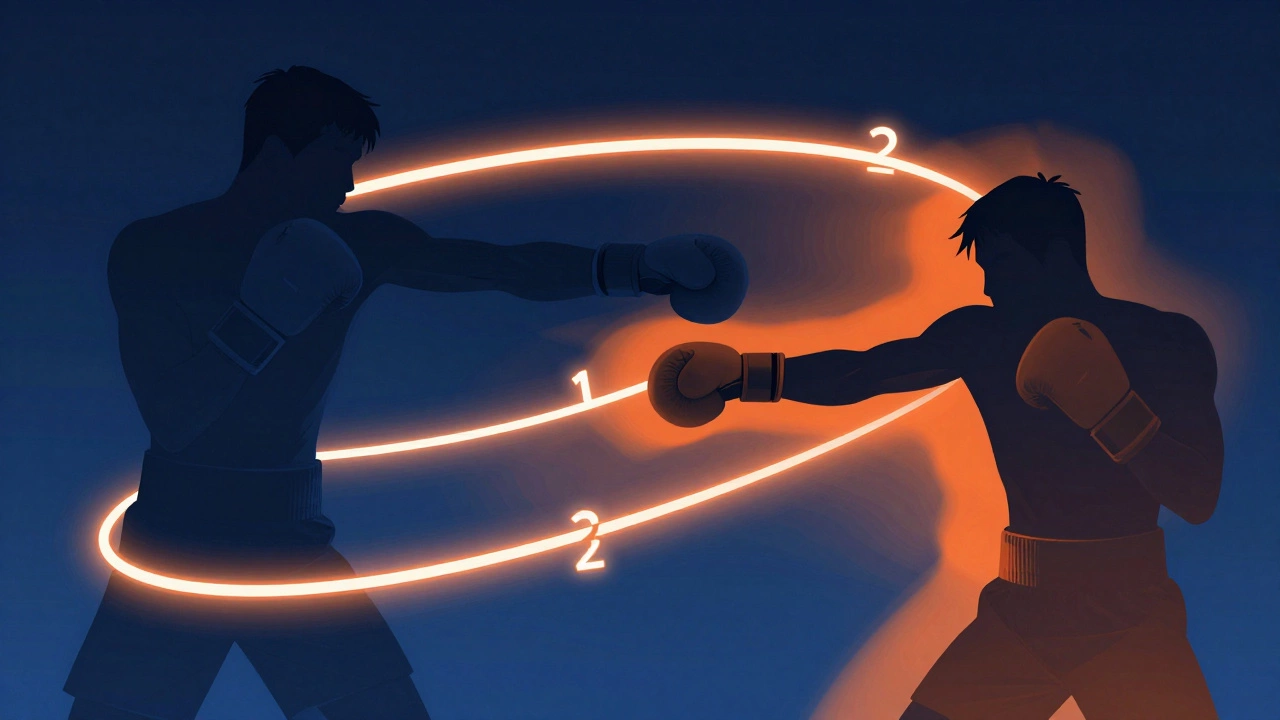
Knowing individual punches is only half the battle. Boxing is about flow and sequence. Trainers use the numbers to call out combinations rapidly. Here are three fundamental combinations every beginner should master:
- 1-2 (Jab-Cross): The basic straight combo. Jab to distract, cross to damage. Keep your hands up and pivot your feet.
- 1-2-3 (Jab-Cross-Lead Hook): Adds a hook to the mix. After the cross, slip slightly to the left and throw the lead hook. This attacks different angles and keeps the opponent guessing.
- 1-3-2 (Jab-Lead Hook-Cross): A variation that uses the lead hook to break the guard before landing the powerful cross. Effective against opponents who hold a tight high guard.
As you advance, you will add uppercuts (5 and 6) and counters. For example, a "1-2-5" combination involves a jab, a cross, and then slipping under a counter-jab to throw a lead uppercut. The key is to practice these slowly at first, focusing on form and balance, before increasing speed.
Southpaw vs. Orthodox: Does the Numbering Change?
A common question is whether the numbers change if you are a southpaw (right foot forward). The short answer is: no, the numbers stay the same relative to the hand function, but the physical execution mirrors.
For an orthodox fighter: - 1 = Left Hand (Lead) - 2 = Right Hand (Rear)
For a southpaw fighter: - 1 = Right Hand (Lead) - 2 = Left Hand (Rear)
The logic remains identical. The lead hand is always #1, the rear hand is always #2. This consistency helps coaches train fighters regardless of stance. However, when sparring with someone of the opposite stance, you must adjust your angles. An orthodox fighter’s cross (2) meets a southpaw’s jab (1) in the center, creating a clash. Understanding this dynamic is crucial for advanced strategy.
Common Mistakes When Learning Punch Numbers
Even experienced boxers make errors when executing numbered punches. Here are pitfalls to avoid:
- Telegraphing: Winding up too visibly before throwing a hook or uppercut. Keep your movements compact.
- Dropping Hands: After throwing a punch, especially the cross or hook, ensure your hand returns to your cheek immediately. Leaving it extended invites a counter.
- Ignoring Footwork: Punches generate power from the legs. If your feet are stationary, your punches will be weak. Step into your punches, particularly the cross and hooks.
- Over-committing: Trying to hit too hard with every punch. Save the power for specific shots like the cross or rear hook. Use lighter touches for jabs and setups.
Is the jab always punch number 1?
Yes, in standard boxing terminology, the jab is always designated as number 1, regardless of whether you are orthodox or southpaw. It is always thrown with the lead hand.
What does a "1-2-3" combination look like?
A 1-2-3 combination consists of a jab (1), followed immediately by a cross (2), and finished with a lead hook (3). This sequence moves from straight to angular attacks, making it difficult for opponents to defend against all three.
Are there more than 6 numbered punches in boxing?
While 1 through 6 cover the six basic punches, some systems assign numbers to additional variations. For example, a rear uppercut might be 6, while a lead uppercut is 5. Some trainers use 7 for a rear overhand right or 8 for a left overhand, but 1-6 is the universal standard for basics.
How do I remember which punch is which number?
Think of the order of introduction and complexity. Straight punches come first (1 and 2). Hooks come next as they introduce curvature (3 and 4). Uppercuts are last because they require close range and vertical mechanics (5 and 6). Within each pair, the lead hand is always the lower number.
Can I use these numbers in Muay Thai or Kickboxing?
The numbering system originated in Western boxing and is widely understood in kickboxing and Muay Thai for punching combinations. However, those sports include kicks, knees, and elbows, which do not have a universal single-digit numbering system in the same way. Stick to 1-6 for punches and learn separate terminology for limbs.