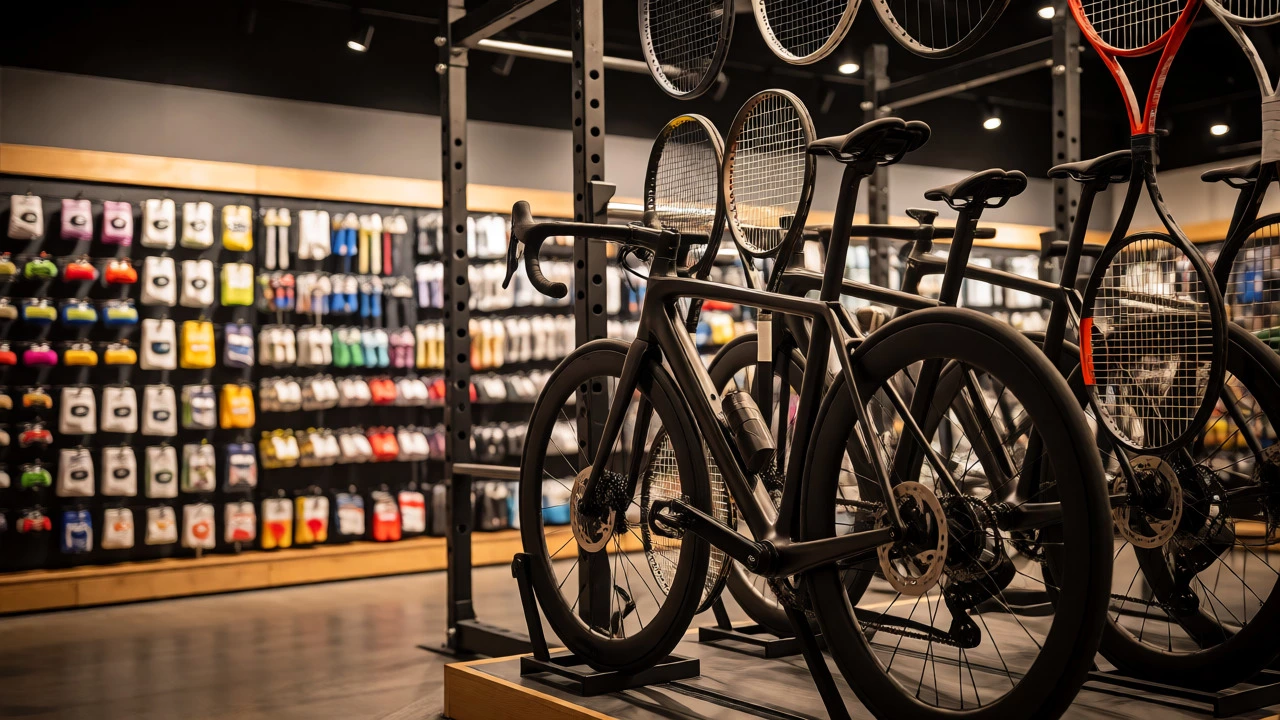
Major vs. Minor Equipment Classifier
Not sure if that $200 item is a "core asset" or just an accessory? Use this classifier to analyze your next purchase based on the industry consensus described in the article.
Classification Result
You walk into a sporting goods store or scroll through an online catalog, and the sheer volume of gear can feel overwhelming. From tiny tennis overgrips to massive rowing machines, everything is labeled as "equipment." But if you ask a coach, a retailer, or a seasoned athlete what they mean by major equipment, they won't point to the socks or the water bottle. They will point to the big-ticket items that define the sport itself.
Understanding the distinction between major and minor equipment isn't just semantic nitpicking; it affects your budget, your storage space, and how you approach buying gear for yourself or your kids. Major equipment represents the core infrastructure of a sport. Without it, the game simply cannot be played. Minor equipment supports the player, but major equipment supports the activity.
Defining Major vs. Minor Equipment
The line between major and minor equipment often blurs depending on who you ask, but there is a general consensus in the industry. Major equipment is the primary apparatus required to participate in a specific sport, typically characterized by higher cost, larger size, and longer lifespan. Think of a bicycle for cycling, a racket for tennis, or a set of weights for gym training. These are durable goods designed to last years.
Minor equipment is accessory gear that enhances performance, comfort, or safety but is not strictly necessary to initiate the basic mechanics of the sport. This includes items like shin guards, mouthguards, specialized socks, or grip tape. While crucial for safety and optimization, you could technically kick a soccer ball around a park without cleats (though you might regret it later).
| Feature | Major Equipment | Minor Equipment |
|---|---|---|
| Cost | High (Hundreds to thousands) | Low to Medium (Dollars to low hundreds) |
| Lifespan | Years (5-10+) | Months to Years (Wear-dependent) |
| Function | Enables the sport | Optimizes/Safeguards the player |
| Storage | Bulkier, requires dedicated space | Compact, easily portable |
| Example (Tennis) | Racket, Net | Grip tape, Balls, Wristbands |
Why the Distinction Matters for Your Budget
If you are starting a new hobby, knowing what counts as major equipment helps you allocate funds correctly. You don't want to spend $300 on high-end compression shorts when you haven't bought the bike yet. Major equipment usually requires a significant upfront investment. For instance, buying a quality road bike in Sydney today might cost between $800 and $2,500 for a decent entry-level model. That is your anchor purchase.
Once the major equipment is secured, minor equipment becomes the area where you can upgrade incrementally. You can buy cheaper gloves now and upgrade them next season. You can replace worn-out running shoes every 600 kilometers without breaking the bank. Treating major equipment as a long-term asset and minor equipment as consumable supplies creates a healthier financial approach to fitness.
Major Equipment Across Popular Sports
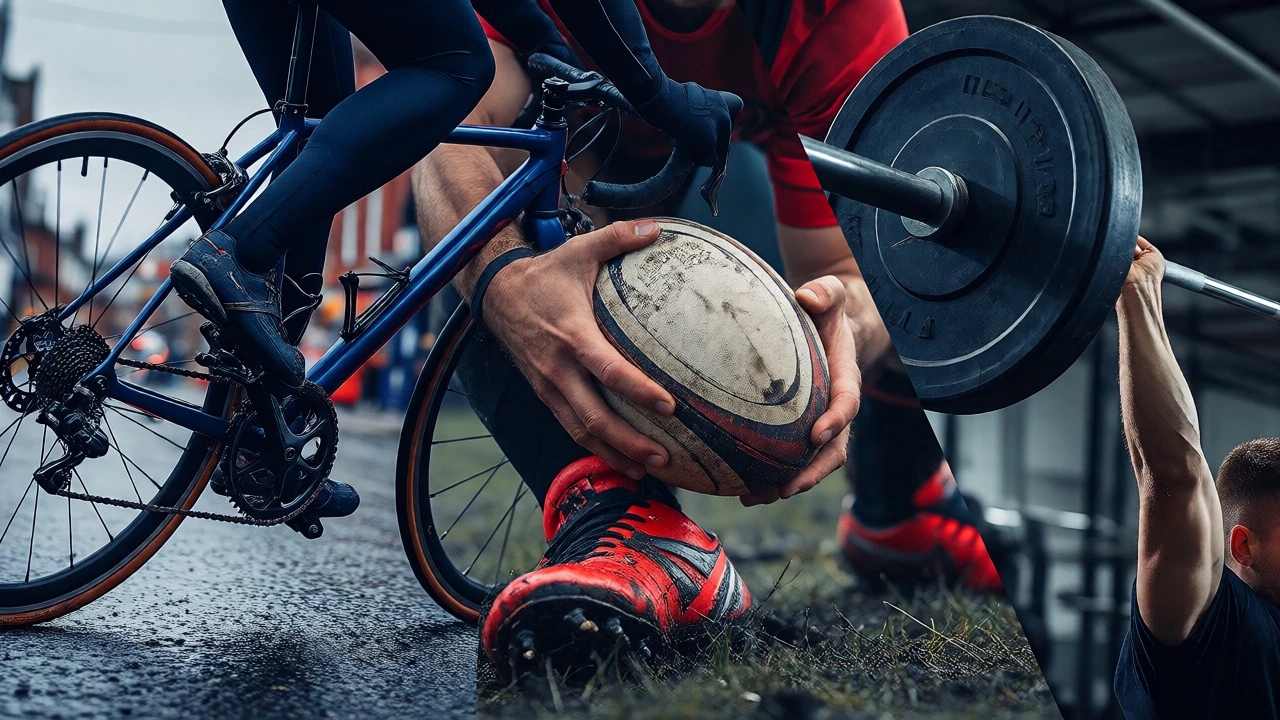
Let's break down what constitutes major equipment in some of the most common activities here in Australia and globally. This list isn't exhaustive, but it highlights the core assets for each discipline.
- Cycling: The bicycle itself is undeniably major equipment. Depending on the type-road, mountain, or hybrid-the price varies wildly. Helmets are often debated; while critical for safety, many retailers classify helmets as protective gear rather than the primary machine. However, in legal terms in NSW, the helmet is mandatory, making it functionally major for compliance.
- Tennis: The racket is the clear major item. You cannot play tennis with bare hands effectively at a competitive level. The net and posts are also major equipment, though usually provided by the club. Balls are consumables (minor), but rackets require careful selection based on head size, string tension, and weight.
- Rugby: In rugby, the ball is the central piece of major equipment. Unlike footballs used in other sports, a rugby ball has a specific shape and inflation standard. Cleats (boots) are essential for traction, especially on wet grass fields common in Australian winters, so they lean towards major status for serious players due to their cost and technical complexity.
- Gym Workouts: Here, major equipment refers to the large machinery: squat racks, benches, barbells, and dumbbell sets. If you are setting up a home gym, these are the heavy hitters. Resistance bands or yoga mats are minor equipment because they support the workout but don't provide the primary resistance mechanism in the same way a barbell does.
- Golf: The clubs are the definitive major equipment. A full set of irons, woods, and a putter represents a significant investment. Golf balls are minor equipment, albeit expensive ones. Shoes are borderline; they are critical for stability, but you can play casually without them.
The Lifecycle and Maintenance of Major Gear
Because major equipment lasts longer, it requires different maintenance strategies. You don't throw away a tennis racket after one season. You restring it. You don't discard a bicycle after a year of riding; you service the gears, check the brakes, and rotate the tires. Neglecting this maintenance leads to premature failure, which is costly.
Consider a road bike. The chain wears out every few thousand kilometers. If you ignore it, it eats away at the cassette and chainrings-parts of the drivetrain that are expensive to replace. Regular cleaning and lubrication extend the life of these components. Similarly, with tennis rackets, strings lose tension over time even if not played. Storing them properly and restringing annually ensures consistent performance.
For gym equipment, rust and wear are the enemies. Keeping barbells clean and storing them indoors prevents corrosion. For outdoor items like bicycles or golf clubs, protection from UV rays and moisture is key. Investing in covers or indoor storage solutions pays off by preserving the value of your major equipment.
Buying Strategy: New vs. Used
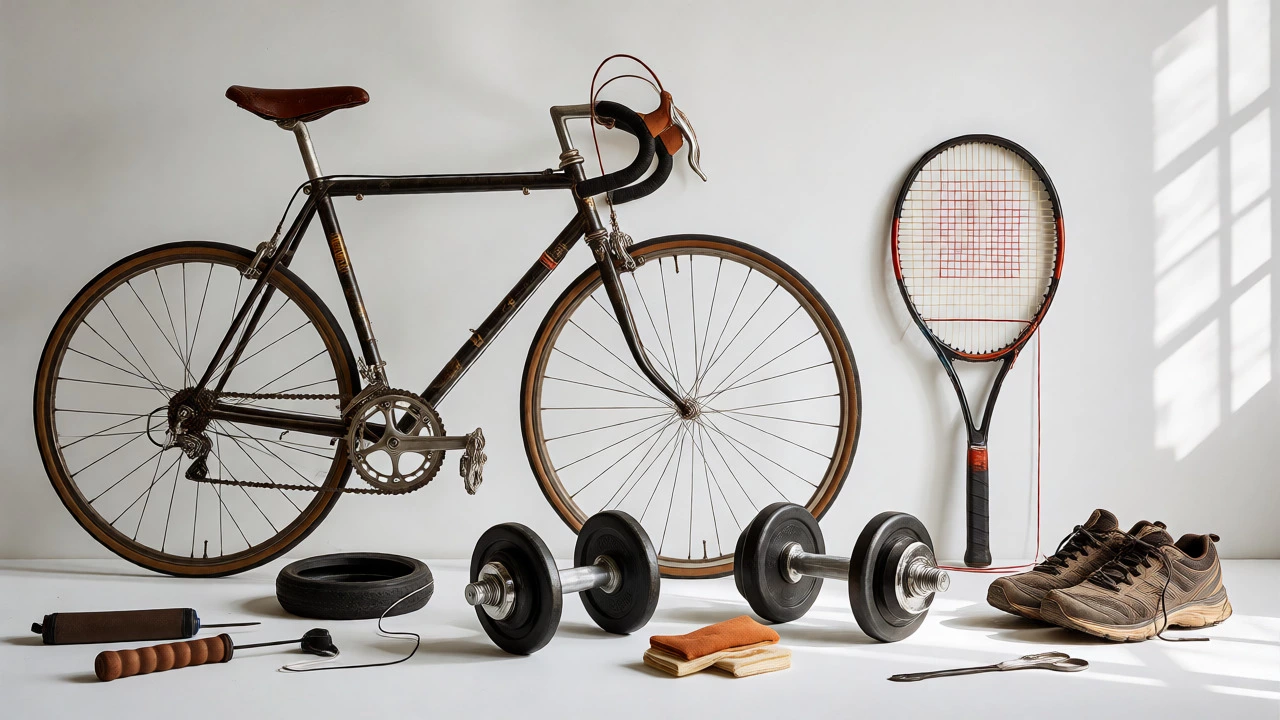
When purchasing major equipment, the decision between new and used is huge. Because major items are durable, the second-hand market is robust. In cities like Sydney, platforms like Facebook Marketplace or Gumtree are goldmines for used bicycles, gym weights, and even golf clubs.
Here is a simple heuristic: Buy major equipment used if you are a beginner or intermediate user. The technology in bikes or rackets doesn't change drastically year-over-year. A two-year-old high-end bike performs nearly identically to a brand-new one but costs 40% less. Save the premium for custom fitting or accessories.
Conversely, buy minor equipment new. Hygiene matters for items like boxing gloves, mouthguards, or cycling jerseys. Also, minor items often have shorter lifespans, so the savings from buying used aren't worth the risk of hidden wear.
Safety Implications
While we defined major equipment as the primary apparatus, safety gear often overlaps. In contact sports like boxing or rugby, protective gear (headgear, pads) is sometimes classified as major because the sport cannot safely proceed without it. Regulatory bodies often mandate specific standards for this gear. For example, cycling helmets must meet AS/NZS 2063 standards in Australia. Failing to use compliant major safety equipment can lead to fines or increased injury risk.
Always check certifications. Whether it's a hockey stick meeting FIH standards or a climbing harness rated by UIAA, the certification validates that the major equipment has undergone rigorous testing. Don't skip this step. Cheap, uncertified major equipment might look fine but could fail under stress, leading to accidents.
Is a bicycle helmet considered major equipment?
It depends on the context. Technically, the bicycle is the major equipment that enables the sport. However, because helmets are legally mandated in many places and essential for safety, many insurers and safety advocates treat them as major equipment. From a retail perspective, they are often categorized separately as 'protective gear,' but their importance rivals that of the bike itself.
Can I start a sport with only minor equipment?
Rarely. Most sports require at least one piece of major equipment to function. For example, you need a racket for tennis or a bat for cricket. However, some bodyweight exercises like calisthenics or running (if you already own shoes) might not require traditional 'major' hardware beyond footwear. In those cases, your body is the engine, and shoes are the interface.
How often should I replace major equipment?
There is no fixed schedule. It depends on usage intensity and care. A daily commuter bike might need frame inspection annually and component replacement every 1-2 years. A tennis racket used weekly might need restringing every 3-6 months. Look for signs of structural fatigue, such as cracks, excessive wear, or loss of performance consistency.
Are gym weights considered major equipment?
Yes. Barbells, plates, and dumbbells are major equipment because they provide the primary resistance needed for strength training. Unlike resistance bands, which are minor, free weights are durable, heavy, and form the backbone of most strength programs.
Does major equipment depreciate quickly?
Compared to electronics, sports major equipment holds value reasonably well. High-quality bicycles, golf clubs, and musical instruments (like guitars) retain 50-70% of their value if maintained well. Electronics-heavy gear, like smart trainers or digital watches, depreciates faster due to technological obsolescence.