Deadlift Progression & Muscle Recruitment Calculator
Enter the weight you lifted and the number of reps completed to estimate your theoretical maximum lift.
| Exercise | Muscles Hit | Functional Score |
|---|---|---|
| Deadlift | Full Posterior Chain + Core | Very High |
| Squat | Quads, Glutes | High |
| Bench Press | Pecs, Triceps | Moderate |
| Bicep Curl | Biceps Only | Low |
Tip: The deadlift recruits nearly half your body's surface area under tension, triggering greater hormonal responses for growth than isolation moves.
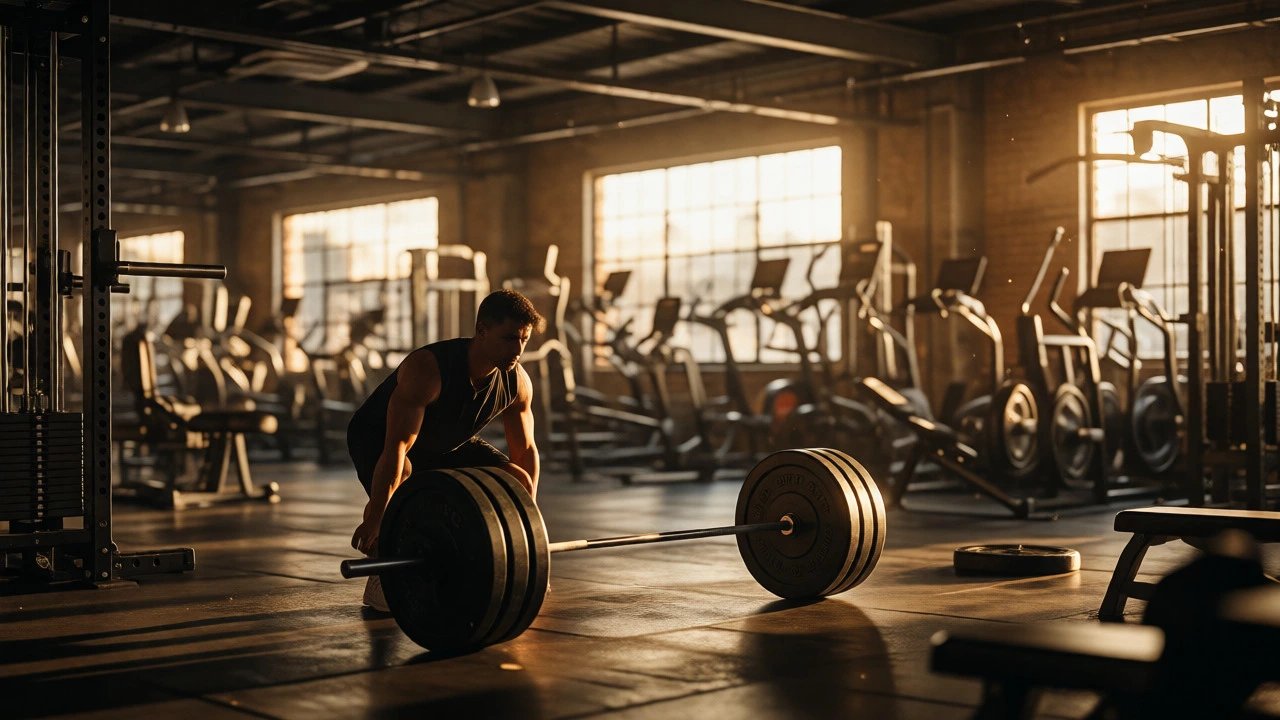
Walk into any gym in Sydney, and you'll see a hundred different machines humming with activity. People are chasing pump, burning calories, or trying to look good in a mirror. But if you strip away the marketing fluff and the shiny equipment, one movement consistently rises to the top as the single most effective exercise for building real-world strength and physique. It isn't the bench press, and it definitely isn't the treadmill.
The Deadlift is widely considered the king of exercises because it recruits more muscle mass than any other lift while demanding minimal technical complexity compared to Olympic lifts. It builds posterior chain power, core stability, and raw grip strength all at once. If you could only do one thing for the rest of your life to stay strong, healthy, and athletic, this is probably it.
Why the Deadlift Takes the Crown
Most people think "best" means "burns the most calories." That's a flawed metric. The best exercise should give you the highest return on investment for your time and effort. It should make you stronger in daily life, protect your joints, and build muscle efficiently. The deadlift checks every single box.
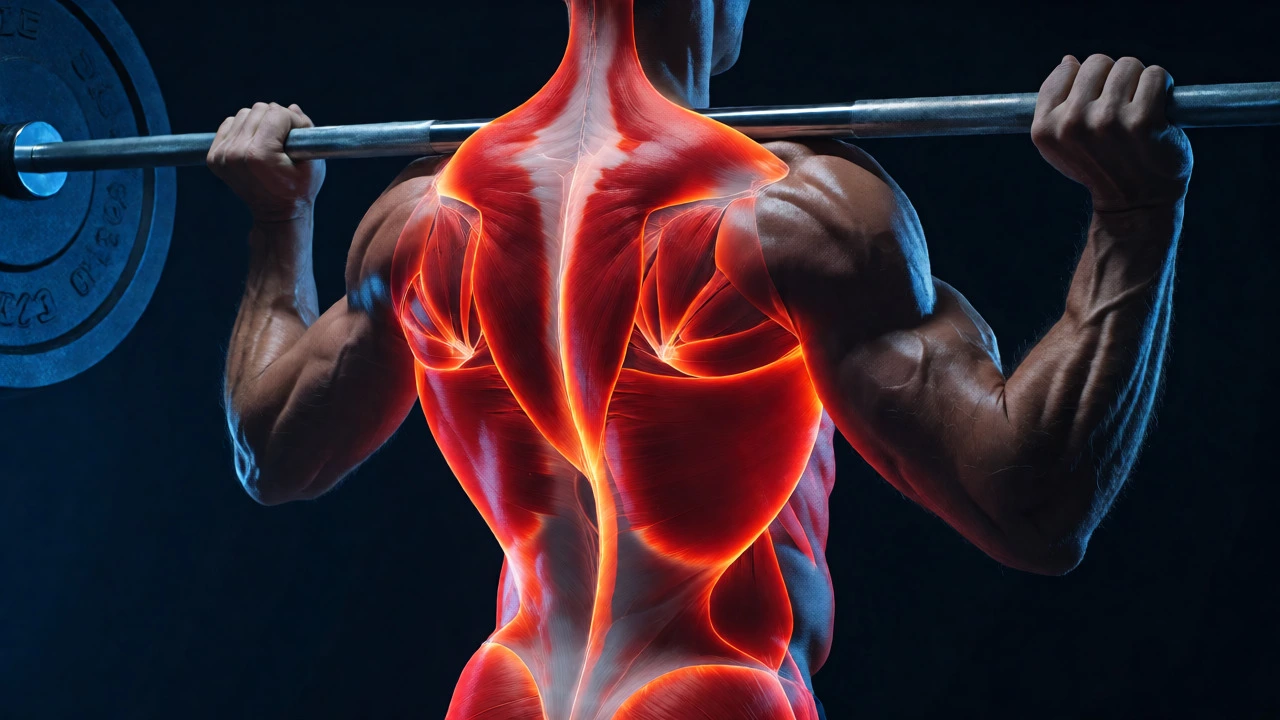
When you pick up a heavy barbell from the floor, you aren't just working your back. You are engaging the entire posterior chain. This includes the hamstrings, glutes, erector spinae (lower back), lats, traps, and forearms. Your quads help initiate the pull, and your abs work overtime to keep your spine neutral. It is a full-body contraction that mimics how humans were designed to move heavy objects.
Compare this to a bicep curl. A curl isolates one small muscle group. It looks nice, but it does little for your ability to carry groceries, lift a child, or play sports. The deadlift is functional by definition. It teaches your nervous system to generate force through the hips, which is the primary engine for human movement.
The Anatomy of Power: What Muscles You Actually Hit
To understand why this lift dominates, look at the sheer volume of tissue under tension. When you perform a conventional deadlift, you are loading muscles that cover nearly half your body surface area. This triggers a massive hormonal response, including increased testosterone and growth hormone production, which aids recovery and muscle growth elsewhere in the body.
| Exercise | Primary Muscles Targeted | Core Engagement | Functional Carryover |
|---|---|---|---|
| Deadlift | Glutes, Hamstrings, Lower Back, Traps, Forearms, Quads | High (Anti-extension) | Very High (Lifting/Carrying) |
| Bench Press | Pecs, Triceps, Front Delts | Low | Moderate (Pushing) |
| Squat | Quads, Glutes, Adductors | High (Stabilization) | High (Sitting/Standing) |
| Lat Pulldown | Lats, Biceps, Rear Delts | Low | Low (Pulling overhead) |
| Treadmill Run | Calves, Quads, Heart/Lungs | Moderate | High (Endurance) |
Notice the gap between the deadlift and isolation moves like lat pulldowns. While isolation has its place for bodybuilding aesthetics, it lacks the systemic stress required to drive overall athletic development. The squat is the closest competitor here, often tied for first place depending on who you ask. However, many beginners find squats harder to master due to mobility requirements in the ankles and hips. The deadlift starts from a dead stop, removing the eccentric phase (lowering) where form often breaks down, making it slightly safer for novices when coached correctly.
Building Real-World Strength and Posture
We live in a sedentary world. Most office workers sit for eight hours a day, leading to tight hip flexors and weak glutes-a condition often called "gluteal amnesia." When your glutes don't fire properly, your lower back takes over, leading to chronic pain. The deadlift forces the glutes to wake up and do their job.
By strengthening the erector spinae, you create a natural corset around your spine. This doesn't mean you'll have a bulletproof back overnight, but it significantly reduces the risk of injury during daily activities. Think about picking up a suitcase from an overhead bin or lifting a bag of cement. These are hinge movements. Practicing the hinge pattern under load makes these tasks effortless and safe.
Grip strength is another underrated benefit. Your hand strength correlates strongly with overall longevity and cardiovascular health. Since the deadlift requires you to hold onto a heavy bar without straps (at least initially), your forearms get a serious workout. Strong hands mean better performance in every other lift and sport.
How to Perform the Perfect Deadlift
Technique is everything. Do it wrong, and you hurt your back. Do it right, and you build iron. Here is the step-by-step breakdown for the conventional deadlift:
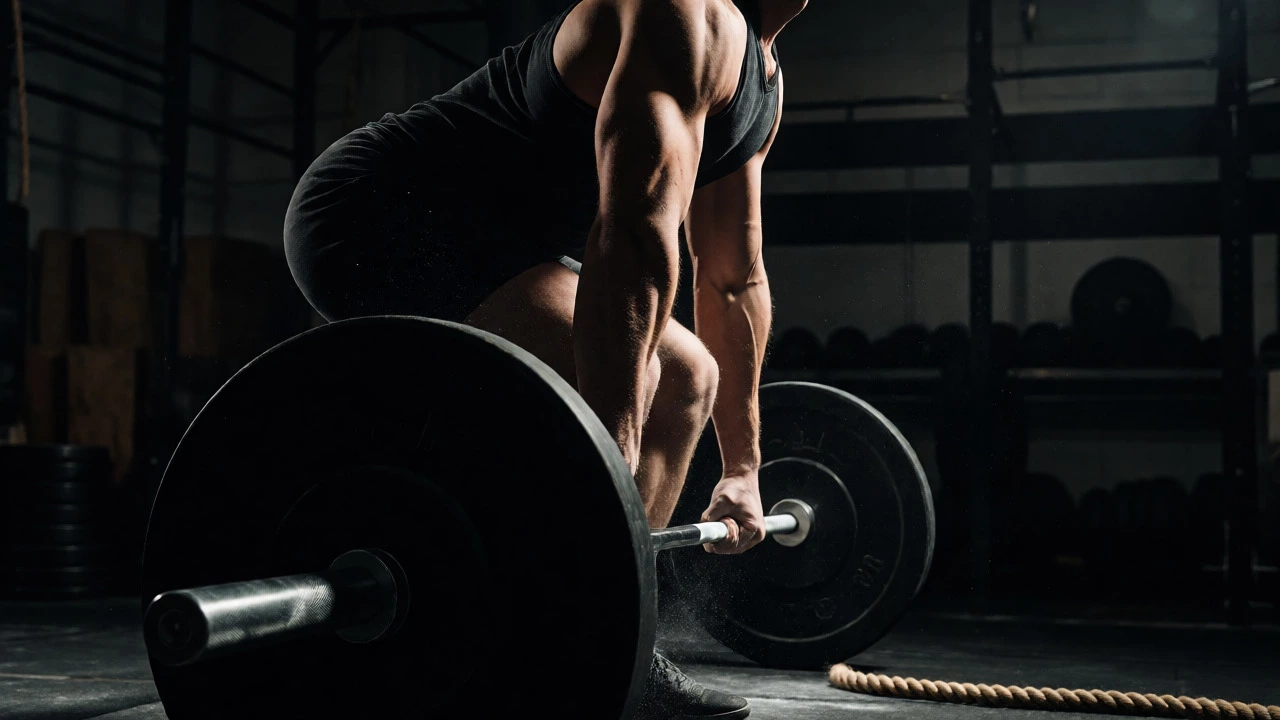
- Set Up: Stand with feet hip-width apart. Position the bar so it touches your shins. Your mid-foot should be directly under the bar.
- Grip: Bend at the hips and knees. Grip the bar just outside your legs. Use a double-overhand grip for lighter weights; switch to mixed or hook grip when heavier loads demand security.
- Position: Drop your hips until your shins touch the bar. Keep your chest up and shoulders back. Ensure your arms are straight-think of them as ropes, not muscles.
- Brace: Take a deep breath into your belly and brace your core as if someone is about to punch you. This creates intra-abdominal pressure to protect your spine.
- The Pull: Drive through the floor with your legs. Push the ground away. Keep the bar close to your body. As the bar passes your knees, thrust your hips forward to lock out.
- Finish: Stand tall with glutes squeezed. Do not lean back excessively at the top; that puts unnecessary stress on the lumbar spine.
- Descent: Hinge at the hips to lower the bar. Control the weight down to the starting position.
A common mistake is turning the deadlift into a squat. If your hips shoot up too fast, you turn the lift into a stiff-legged row, placing immense strain on the lower back. Keep your torso angle constant until the bar clears the knees.
Variations for Every Goal
Not everyone needs to do the standard barbell deadlift. Depending on your anatomy or goals, other variations might serve you better. Here are three top contenders:
- Romanian Deadlift (RDL): Starts from the rack, not the floor. Focuses heavily on hamstrings and glutes. Great for hypertrophy and those with poor ankle mobility.
- Trap Bar Deadlift: Uses a hexagonal bar. Allows for a more upright torso, reducing shear force on the lower back. Ideal for athletes focusing on vertical jump or sprint speed.
- Kettlebell Swing: A ballistic version of the hinge. Excellent for conditioning and fat loss. It trains explosive hip extension without the heavy spinal compression of a barbell.
If you have existing back issues, start with the Trap Bar or Kettlebell Swing. They offer similar benefits with less risk. Once you build confidence and mobility, transition to the conventional barbell deadlift.
Programming Tips for Maximum Gains
You don't need to deadlift every day. In fact, you shouldn't. Because it taxes the central nervous system heavily, recovery is key. For most intermediate lifters, hitting deadlifts once a week is sufficient. Beginners can do it twice a week with lighter weights to practice technique.
Focus on progressive overload. Add small amounts of weight each week-even 2.5kg counts. Track your reps and sets. If you hit 3 sets of 5 reps comfortably, add weight next session. Consistency beats intensity. Missing one workout because you went too heavy and got injured hurts progress far more than sticking to a manageable plan.
Pair your deadlifts with complementary exercises. Since deadlifts focus on pulling and hinging, balance them out with pushing movements like push-ups or overhead presses, and anterior core work like planks. This ensures balanced muscular development.
Common Myths Debunked
Let's clear up some noise. First, "deadlifts ruin your back." False. Poor form ruins backs. Properly executed deadlifts strengthen the spinal stabilizers. Second, "you need to round your back." No. A neutral spine is non-negotiable. Slight rounding at the very end range of motion for advanced lifters is debated, but for 99% of people, flat back is the rule.
Third, "it's only for powerlifters." Wrong. Bodybuilders use it for thickness, CrossFit athletes for conditioning, and general fitness enthusiasts for health. It is a universal tool.
Frequently Asked Questions
Is the deadlift safer than the squat?
It depends on the individual. Generally, the deadlift is easier for beginners to learn because there is no counterbalance to maintain, unlike the barbell on your back in a squat. However, both require strict form to avoid injury. The trap bar deadlift is often cited as the safest variation for those with knee or lower back concerns.
How heavy should I deadlift?
Start with the empty bar (20kg) or even lighter dumbbells to master the hinge pattern. Once your form is solid, aim for weights that allow you to complete your target reps with 1-2 reps left in the tank. Never sacrifice form for ego-lifting numbers.
Can deadlifts help me lose belly fat?
Yes, indirectly. Because deadlifts recruit large muscle groups, they burn significant calories during and after the workout due to excess post-exercise oxygen consumption (EPOC). Combined with a caloric deficit, this metabolic demand helps reduce overall body fat, including visceral fat.
What if I can't touch my toes?
That's fine. You don't need to touch your toes to deadlift safely. Place the bar on blocks or plates to raise it to a comfortable height. Over time, consistent deadlifting will improve your hamstring flexibility and hip mobility naturally.
Do I need a belt for deadlifts?
Not necessarily. Learn to brace your core naturally first. A belt can help manage higher loads by increasing intra-abdominal pressure, but relying on it too early can weaken your natural stabilizers. Use it for heavy sets (85%+ of your max) rather than warm-ups or light days.