
Anti-Aging Exercise Planner
Your Profile
Your Weekly Anti-Aging Blueprint
Enter your details to generate a scientifically-backed routine.
Picture this: You are seventy years old. Can you get up off the floor without using your hands? Can you carry a heavy grocery bag up two flights of stairs without gasping for air? These aren't just tests of fitness; they are predictors of how long-and how well-you will live. The search for the "most" anti-aging exercise is tempting, but biology doesn't work that way. There is no single magic move that stops time. Instead, there is a specific combination of movements that directly attacks the three biggest killers of human lifespan: muscle loss, cardiovascular decline, and stiffness.
If you want to add healthy years to your life, you need to stop treating exercise like a chore and start treating it like medicine. The best routine isn't about burning the most calories in an hour. It is about maintaining your functional independence so you can enjoy your later years with vitality rather than dependency.
The Non-Negotiable Foundation: Resistance Training
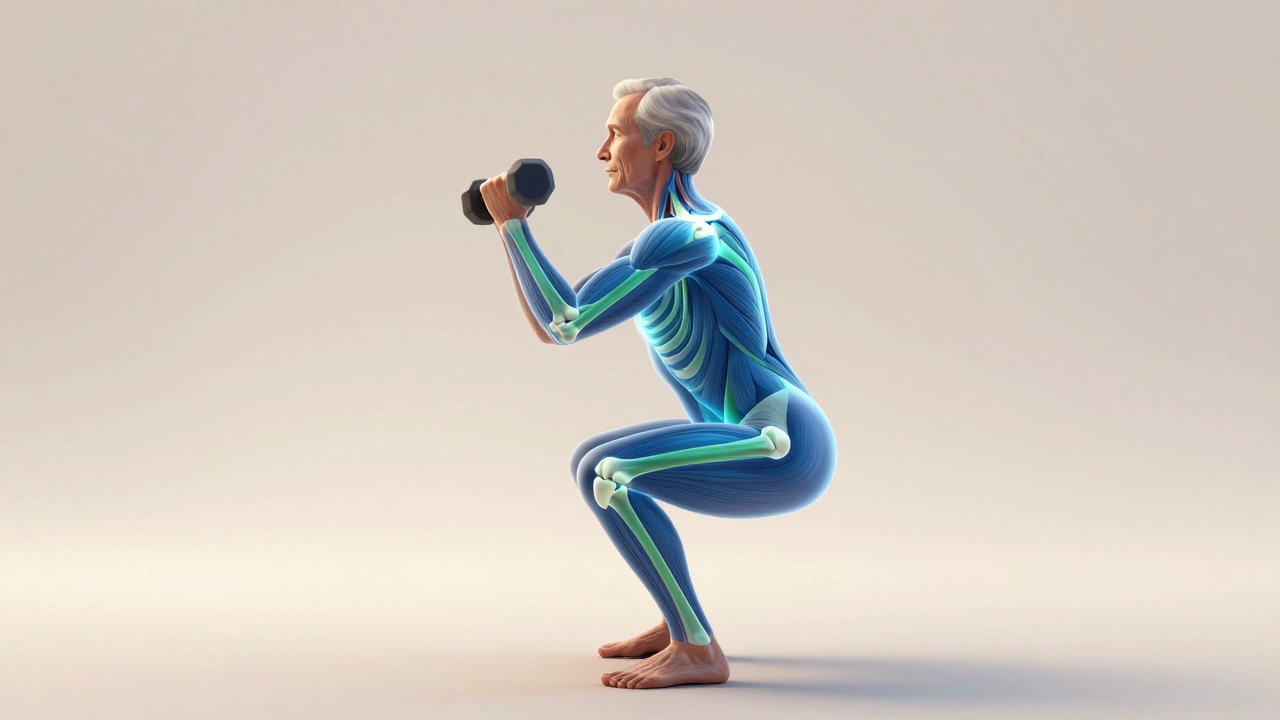
If you had to pick only one type of exercise for longevity, make it resistance training. As we age, our bodies naturally begin to break down muscle tissue. This process, known as sarcopenia, starts as early as our thirties and accelerates after sixty. Losing muscle doesn't just change how you look; it changes how you survive. Muscle is your metabolic engine. It burns glucose, regulates blood sugar, and protects your bones from fractures.
When you lift weights or use bodyweight resistance, you send a signal to your cells to repair and grow stronger. This stimulates protein synthesis, which fights back against muscle loss. But the benefits go deeper. Stronger muscles support your joints, reducing wear and tear on knees and hips. They also improve bone density, which is crucial for preventing osteoporosis. A study published in *JAMA Internal Medicine* found that higher muscle mass was associated with a significantly lower risk of all-cause mortality.
You don't need to be a bodybuilder to reap these rewards. Focus on compound movements that use multiple joints at once. Think squats, deadlifts, push-ups, and rows. These exercises mimic real-life actions like sitting down, picking things up, and pushing doors open. Aim for two to three sessions per week. Start light, focus on perfect form, and gradually increase the weight. The goal is not exhaustion; it is consistency.
Heart Health Through Zone 2 Cardio
While strength builds your frame, cardiovascular health keeps your engine running. However, high-intensity interval training (HIIT) isn't the only answer. In fact, for pure longevity, steady-state low-intensity cardio-often called Zone 2 training-is arguably more important. Zone 2 is the intensity where you can hold a conversation but feel slightly breathless. It usually corresponds to 60-70% of your maximum heart rate.
This type of exercise improves mitochondrial efficiency. Mitochondria are the power plants of your cells. When they function well, your body produces energy cleanly without creating excessive oxidative stress. Over time, this reduces inflammation and lowers the risk of chronic diseases like type 2 diabetes and heart disease. Dr. Peter Attia, a prominent physician focused on longevity, argues that Zone 2 cardio is the foundation of metabolic health because it teaches your body to burn fat efficiently for fuel.
Incorporating Zone 2 into your week means spending 150 to 300 minutes doing activities like brisk walking, cycling at a moderate pace, or swimming. It feels easy, almost too easy, which is why people often skip it. But that ease is precisely what makes it sustainable over decades. If you find yourself unable to talk while exercising, you are likely working too hard for this specific goal. Dial it back. The benefit comes from duration and consistency, not intensity.
Mobility and Balance: Preventing Falls
Strength and cardio keep you alive, but mobility keeps you independent. One of the most devastating events in aging is a fall. Hip fractures and head injuries from falls are leading causes of disability and death among older adults. Preventing them requires more than just strong legs; it requires balance, coordination, and flexible joints.
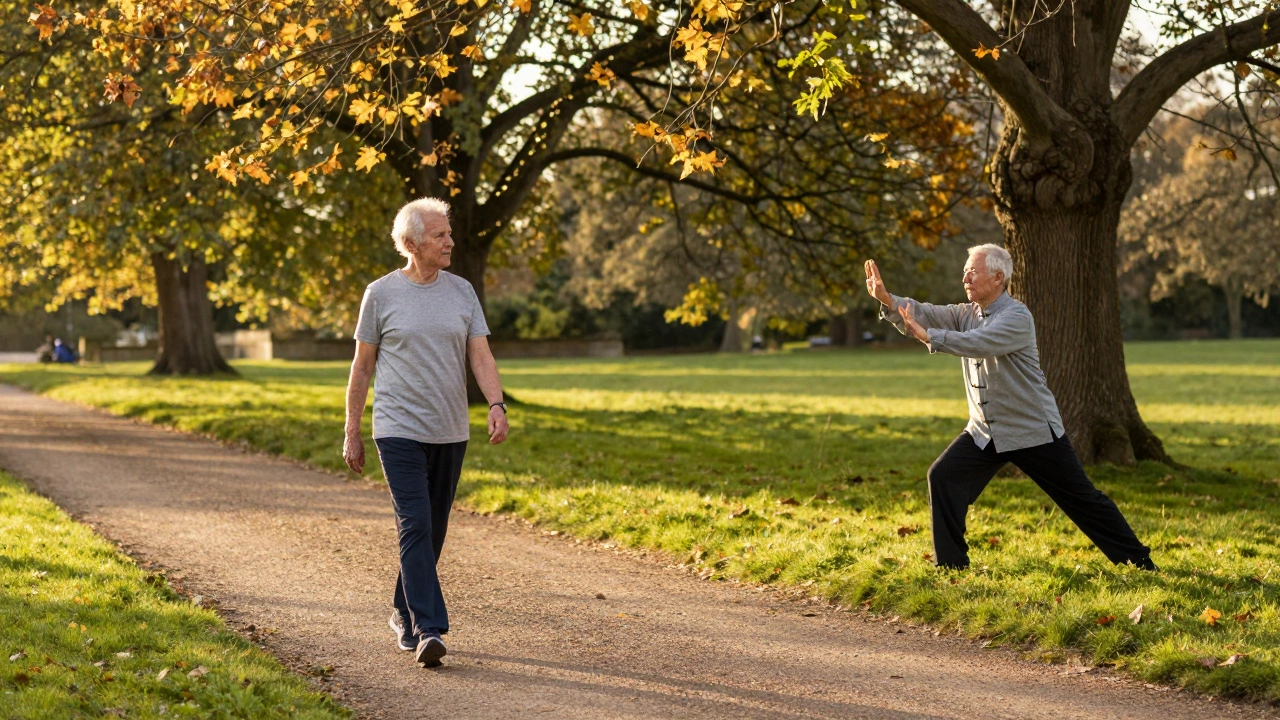
Mobility work involves moving your joints through their full range of motion. This could look like yoga, tai chi, or simple dynamic stretching routines. These practices improve proprioception, which is your body's ability to sense its position in space. When your proprioception is sharp, you react faster to uneven ground or slippery surfaces. Tai chi, in particular, has been shown in numerous studies to reduce fall risk by improving balance and leg strength simultaneously.
Don't overlook the importance of flexibility. Tight muscles pull on joints, causing misalignment and pain. Regular stretching helps maintain the elasticity of tendons and ligaments. Spend ten minutes each day focusing on areas that tend to tighten up, such as the hips, hamstrings, and chest. This isn't just about feeling loose; it's about preserving the mechanical integrity of your skeleton.
The Synergy of Movement: Putting It All Together
No single exercise does it all. The most effective anti-aging strategy combines strength, cardio, and mobility into a cohesive weekly plan. Here is how you might structure your week:
- Monday: Resistance training focusing on upper body (push-ups, rows).
- Tuesday: 45 minutes of Zone 2 cardio (brisk walk or cycle).
- Wednesday: Active recovery with yoga or mobility drills.
- Thursday: Resistance training focusing on lower body (squats, lunges).
- Friday: 45 minutes of Zone 2 cardio.
- Saturday: Fun activity that gets you moving (hiking, dancing, sports).
- Sunday: Rest or gentle stretching.
This approach ensures you hit all the key physiological targets. You build muscle to protect your bones and metabolism. You train your heart to pump efficiently. You maintain flexibility to prevent injury. And you do it all in a way that is sustainable for life.
Common Mistakes to Avoid
Many people sabotage their longevity efforts by making common errors. First, they wait until they are old to start exercising. It is never too late to begin, but starting earlier yields greater cumulative benefits. Second, they focus solely on weight loss. While losing excess weight can improve health metrics, building muscle and improving cardiovascular fitness are more critical for longevity. Third, they ignore recovery. Sleep and nutrition are just as important as movement. Without adequate rest, your body cannot repair itself, leading to chronic inflammation and injury.
Another mistake is chasing intensity. High-intensity workouts have their place, but they should not dominate your routine if your primary goal is aging well. Too much intense stress on the body can lead to burnout and injury. Balance is key. Listen to your body. If something hurts, stop. Pain is a signal, not a challenge to overcome.
| Exercise Type | Primary Benefit | Recommended Frequency | Key Metric |
|---|---|---|---|
| Resistance Training | Muscle mass, bone density | 2-3 times per week | Progressive overload |
| Zone 2 Cardio | Mitochondrial health, fat burning | 150-300 mins per week | Conversational pace |
| Mobility/Balance | Fall prevention, joint health | Daily or 3-4 times per week | Range of motion |
Getting Started Today
You don't need expensive equipment or a gym membership to start. Bodyweight squats, push-ups against a wall, and brisk walking are free and highly effective. The barrier to entry is low, but the payoff is immense. Commit to moving every day. Even ten minutes counts. Build the habit first, then worry about optimizing the workout. Consistency beats intensity every time when it comes to aging well.
Remember, the goal is not to look twenty again. The goal is to be able to live fully at eighty. Every rep, every step, and every stretch is an investment in your future self. Start today, stay consistent, and watch your body thank you for years to come.
Is walking enough for anti-aging?
Walking is excellent for cardiovascular health and can be done in Zone 2. However, it does not provide sufficient stimulus to prevent muscle loss or bone density decline. To truly combat aging, you must combine walking with resistance training and mobility work.
How much protein do I need to support muscle growth as I age?
As we age, our bodies become less efficient at processing protein. Most experts recommend aiming for 1.2 to 1.6 grams of protein per kilogram of body weight daily. Distribute this intake evenly across meals to maximize muscle protein synthesis.
Can I reverse sarcopenia if I am already older?
Yes, absolutely. Muscle is responsive tissue regardless of age. Studies show that even individuals in their nineties can gain significant muscle mass and strength with proper resistance training. It may take longer, but the functional improvements are dramatic.
What is the best time of day to exercise for longevity?
There is no scientifically proven "best" time. The best time is when you can consistently stick to your routine. Some people prefer morning workouts to establish a habit, while others find evening sessions help relieve stress. Consistency matters far more than timing.
Should I avoid high-intensity workouts entirely?
Not necessarily. High-intensity interval training (HIIT) can improve VO2 max, which is a strong predictor of longevity. However, it should complement, not replace, your base of Zone 2 cardio and strength training. Limit HIIT to one session per week to avoid excessive stress and injury risk.