Sports Gear Selector & Maintenance Tool
Configure Your Activity
Select your activity details and click "Analyze & Recommend" to generate personalized gear advice.
Walking into a sporting goods store can feel like stepping into a maze. Aisles are stacked with jerseys that claim to dry instantly, shoes promising zero gravity, and helmets rated for impacts you hope never happen. It’s easy to get overwhelmed by the jargon and the sheer volume of choices. But understanding what you’re buying isn’t just about looking good; it’s about performing better and staying safe.
Sports clothing and equipment aren’t one-size-fits-all solutions. They are specialized tools designed to handle specific physical demands, environmental conditions, and safety risks. Whether you are running your first 5K or tackling a rugby scrum, knowing the difference between compression gear and casual activewear, or between protective padding and structural support, changes how you move and recover. Let’s break down exactly what goes into these categories so you can make smarter choices.
The Science Behind Athletic Apparel
Clothing in sports serves three main jobs: temperature regulation, moisture management, and muscle support. Gone are the days when cotton was the go-to fabric. While cotton is comfortable for lounging on the couch, it is terrible for high-intensity movement because it absorbs sweat and holds it against your skin. This leads to chafing, heavy garments, and rapid heat loss when you stop moving.
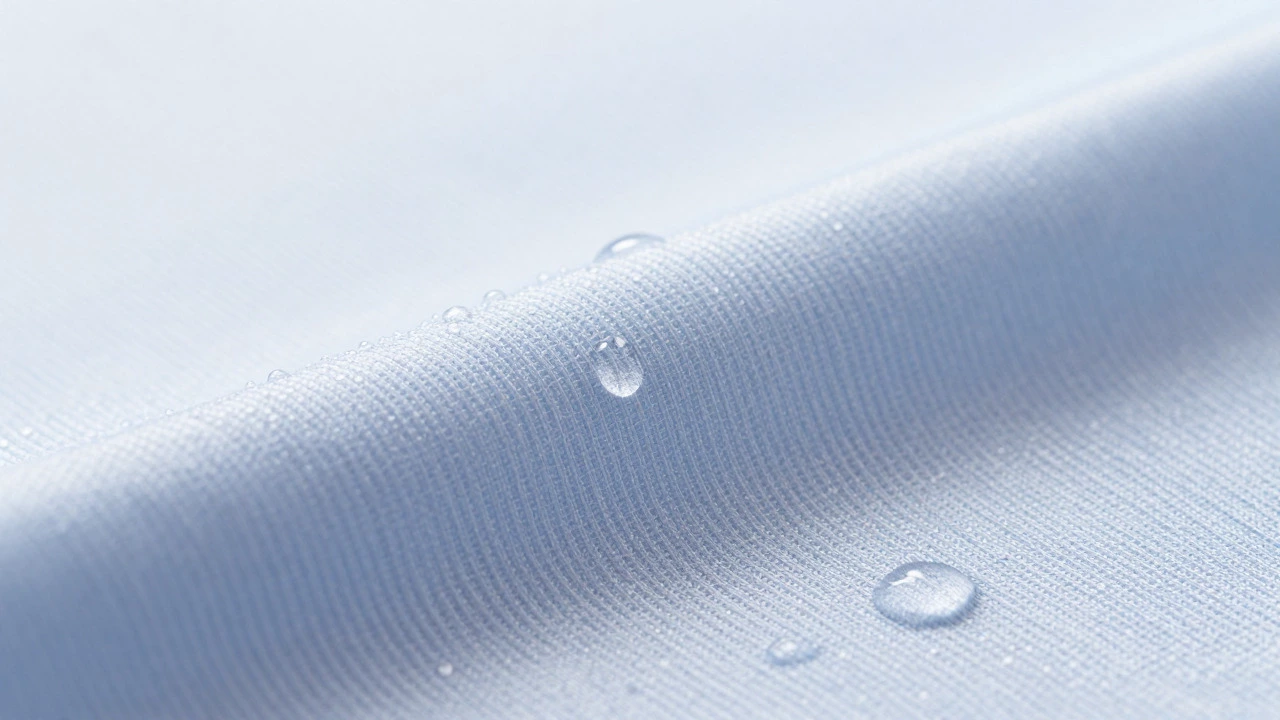
Synthetic Performance Fabrics are engineered textiles designed to wick moisture away from the body and accelerate evaporation. Materials like polyester blends and nylon dominate this space. Brands often use proprietary names-like Dri-FIT or Climalite-but they generally rely on hydrophobic fibers that repel water. The fabric pulls sweat from your skin to the outer surface where it evaporates quickly. This keeps your core temperature stable during intense exertion.
- Moisture-Wicking Base Layers: These sit directly against your skin. They are essential for cold-weather sports or high-sweat activities like CrossFit. Look for flatlock seams to prevent rubbing.
- Compression Gear: Tight-fitting shorts, sleeves, or tights that apply graduated pressure to muscles. Studies suggest compression can reduce muscle oscillation during impact, potentially lowering fatigue and speeding up recovery. It doesn’t make you faster, but it might help you feel fresher after the workout.
- Insulating Mid-Layers: Fleece or synthetic down jackets trap body heat without adding bulk. These are crucial for outdoor sports in variable weather, allowing you to layer up or strip down as needed.
- Protective Outer Shells: Windproof and waterproof jackets that shield you from elements while remaining breathable enough to vent sweat. Gore-Tex and similar membranes are industry standards here.
Fit matters just as much as fabric. Clothing should allow full range of motion. If your shirt rides up every time you raise your arms, or your shorts pinch when you squat, the material quality doesn’t matter. You need gear that moves with you, not against you.
Footwear: The Foundation of Movement
Your feet absorb shock equivalent to several times your body weight with every step. Choosing the wrong shoe can lead to plantar fasciitis, shin splints, or knee pain. Sports footwear is highly specialized because different movements place different stresses on the foot.
| Category | Primary Use | Key Feature | Common Mistake |
|---|---|---|---|
| Running Shoes | Forward linear motion | High cushioning in heel and forefoot | Using them for lateral gym movements |
| Cross-Trainers | Mixed direction (lifting, jumping) | Stable, flat sole for balance | Choosing too-cushioned shoes for heavy lifting |
| Court Shoes | Tennis, Basketball | Lateral support and gum rubber grip | Wearing running shoes on hardwood courts |
| Hiking Boots | Rough terrain | Ankle support and aggressive tread | Breaking them in only on the trail day |
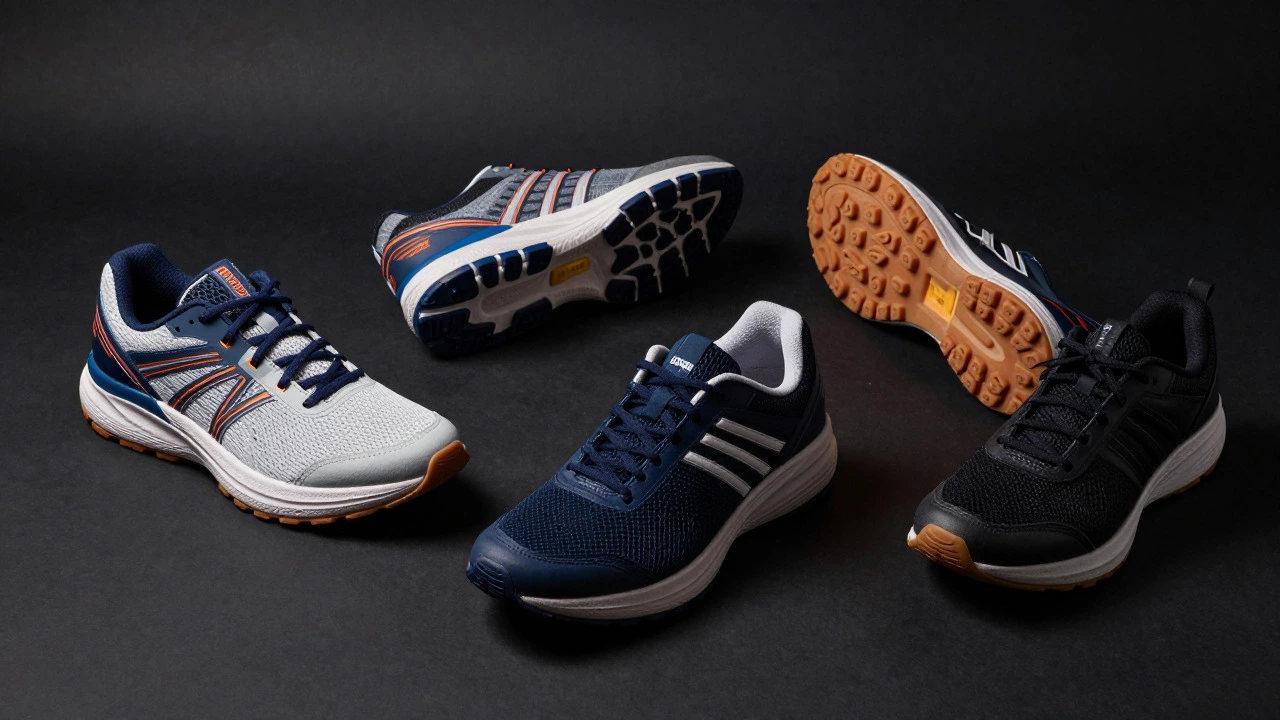
Running shoes are built for forward momentum. They have soft midsoles to absorb impact from heel strikes. However, if you wear them for lateral movements like box jumps or tennis, that softness becomes instability. Your ankle can roll because the shoe lacks side support. Cross-trainers offer a firmer base, ideal for weightlifting where stability is key. Court shoes prioritize grip and lateral containment to handle sudden stops and pivots.
Don’t ignore fit. Feet swell during exercise. Try on shoes in the afternoon or evening, and ensure there’s a thumb’s width of space between your longest toe and the end of the shoe. Replace running shoes every 500 to 800 kilometers, as the foam loses its ability to return energy once compressed beyond its limit.
Protective Equipment: Safety First
In contact sports or high-speed activities, clothing isn’t enough. You need rigid protection to prevent fractures, concussions, and abrasions. This equipment is regulated by safety standards, so look for certification labels rather than just brand names.
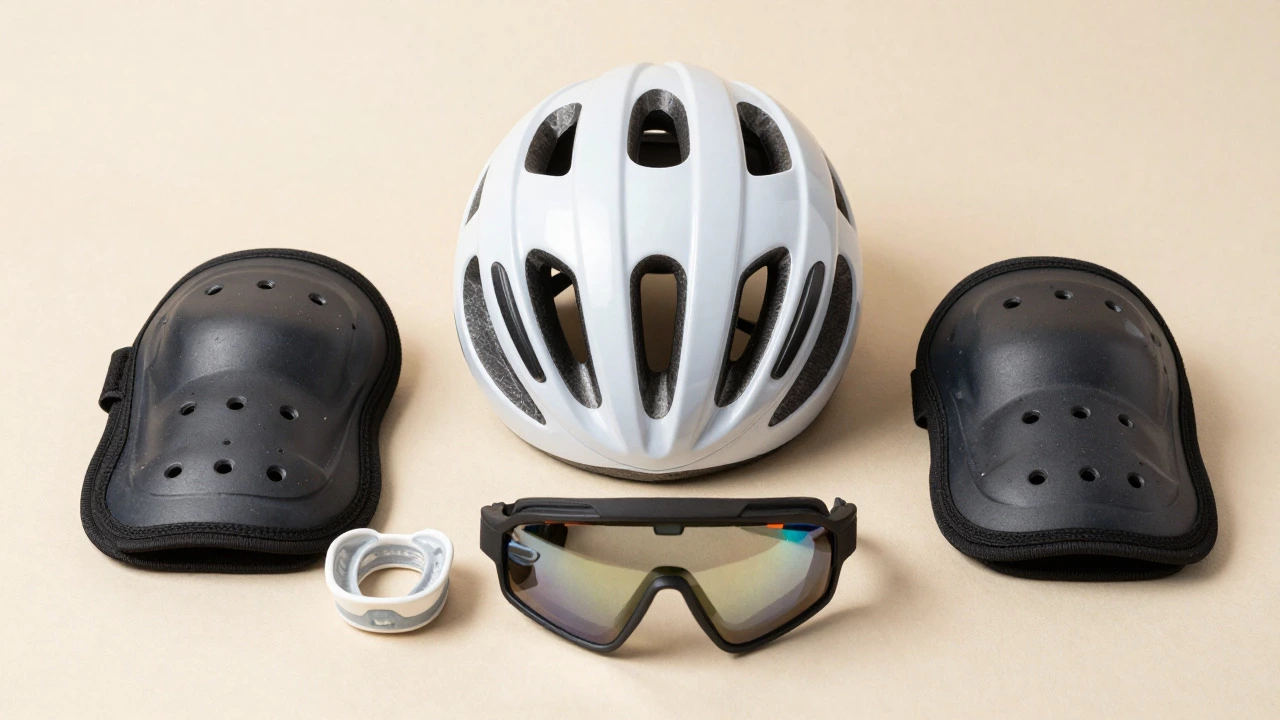
Head Protection includes helmets designed to absorb and dissipate kinetic energy from impacts. Cycling helmets must meet CPSC or EN 1078 standards. Rugby and football helmets focus on multi-directional impact protection. A helmet is only effective if it fits snugly and sits level on your head. An ill-fitting helmet can shift on impact, leaving vulnerable areas exposed.
- Body Armor: Used in cricket, hockey, and rugby. Padded vests protect ribs and sternums from blunt force trauma. Modern designs use lightweight foams that compress on impact to spread force over a larger area.
Joint Guards: Knee pads for volleyball and skating, elbow pads for motocross. These typically combine hard plastic shells with soft inner padding to resist abrasion and cushion blows. - Mouthguards: Essential for boxing, rugby, and hockey. Custom-fit mouthguards provide better protection and comfort than boil-and-bite versions. They help absorb shock to the jaw and may reduce concussion risk by stabilizing the head-neck connection.
- Goggles and Eyewear: Polycarbonate lenses shatter-resistant lenses protect eyes from balls, sticks, or debris. Prescription sports goggles are available for those who need vision correction without risking glasses breaking.
Never compromise on safety gear due to cost or comfort. A cheap helmet that cracks on first impact offers no protection. Check expiration dates on older gear; plastics degrade over time, even if unused.
Sport-Specific Tools and Accessories
Beyond clothing and protection, most sports require specific tools to perform the activity. These items vary wildly in complexity, from simple balls to high-tech sensors.
Racquet Sports: Tennis, badminton, and squash racquets differ in weight, head size, and string tension. Heavier racquets provide more power but less maneuverability. String type affects spin and control. Natural gut strings offer superior feel but are expensive and sensitive to humidity. Synthetic multifilaments are durable and affordable alternatives.
Golf Clubs: Drivers, irons, wedges, and putters serve distinct purposes. Modern drivers feature adjustable weights and loft settings to optimize launch angle and distance. Irons come in game-improvement (larger sweet spot) and blade (precise control) varieties. Shaft flex must match your swing speed; too stiff or too flexible reduces accuracy.
Cycling Components: Beyond the bike itself, cyclists use clipless pedals, aerodynamic helmets, and cycling computers. Clipless pedals lock your shoe to the bike, improving power transfer. Cycling computers track speed, heart rate, and power output, helping athletes train with data-driven precision.
Weightlifting Gear: Barbells, dumbbells, kettlebells, and resistance bands form the core of strength training. Lifting belts support the lower back during heavy squats and deadlifts by increasing intra-abdominal pressure. Chalk improves grip by absorbing hand moisture, preventing slippage on bars.
Materials and Durability Considerations
Understanding materials helps you predict how long your gear will last and how to care for it. Not all fabrics behave the same under stress, heat, or washing.
- Polyester: Durable, quick-drying, and resistant to shrinking. Ideal for everyday athletic wear. Can retain odors unless treated with antimicrobial agents.
- Nylon: Stronger than polyester with excellent abrasion resistance. Often used in climbing harnesses and backpacks. Blends with spandex for stretch.
- Spandex (Lycra/Elastane): Provides elasticity. Rarely used alone; blended with other fibers to add stretch to leggings, swimwear, and compression gear. Loses elasticity over time if exposed to chlorine or excessive heat.
- Merino Wool: Naturally odor-resistant and temperature-regulating. Excellent for multi-day hikes or cold-weather activities. More expensive but lasts longer than synthetics if cared for properly.
- Carbon Fiber: Lightweight and stiff. Used in bicycle frames, golf club shafts, and running shoe plates. Enhances energy return but can be brittle under extreme impact.
Care instructions matter. Wash performance fabrics in cold water and avoid fabric softeners, which coat fibers and reduce moisture-wicking ability. Air-dry whenever possible to preserve elastic integrity. For leather goods like boxing gloves or baseball mitts, use conditioner to prevent cracking.
Choosing the Right Gear for Your Needs
Selecting sports clothing and equipment requires honesty about your current skill level, budget, and frequency of use. Beginners don’t need professional-grade gear immediately. Start with versatile, mid-range options that cover multiple activities. As you specialize, invest in sport-specific items that enhance performance.
Consider your environment. Indoor gym-goers need minimal protective gear but benefit from cross-training shoes and moisture-wicking tops. Outdoor runners require visibility features like reflective strips and weather-appropriate layers. Cyclists need helmets, padded shorts, and possibly lights for night riding.
Try before you buy. Fit varies significantly between brands. A size medium in one brand might fit like a large in another. Visit stores where you can test equipment, whether it’s swinging a racquet or lacing up shoes. Many retailers offer return policies if gear doesn’t meet expectations after initial use.
Finally, maintain your gear. Clean shoes regularly, inspect helmets for cracks, and replace worn-out items promptly. Well-maintained equipment performs better and lasts longer, saving money in the long run.
What is the best fabric for hot weather workouts?
Lightweight polyester or nylon blends with mesh panels are ideal. These materials wick sweat away from the skin and allow air circulation. Avoid cotton, which traps moisture and causes overheating. Look for UPF-rated fabrics if you’ll be outdoors to protect against sun exposure.
How often should I replace my running shoes?
Replace running shoes every 500 to 800 kilometers, depending on your weight and running style. Signs of wear include flattened tread patterns, visible creases in the midsole, or increased joint pain after runs. Don’t wait until they fall apart; degraded cushioning increases injury risk.
Do compression clothes really improve performance?
Research shows mixed results. Compression gear may reduce muscle soreness and improve recovery time by enhancing blood flow. It rarely boosts raw speed or strength directly. However, many athletes report feeling more supported and aware of their body position, which can indirectly aid performance.
Is it safe to use old sports equipment?
Only if it passes inspection. Helmets, pads, and ropes degrade over time due to UV exposure, moisture, and repeated stress. Check manufacturer guidelines for lifespan. If a helmet has been dropped or cracked, replace it immediately. For non-protective gear like balls or bats, check for structural integrity before reuse.
Can I wear regular clothes for light exercise?
For very light activities like walking or gentle yoga, yes. But for anything involving sweat, dynamic movement, or impact, switch to athletic wear. Regular clothes restrict movement, cause chafing, and hold moisture, making workouts uncomfortable and potentially unsafe. Invest in basic performance pieces for consistency.