Barefoot Transition Planner
Ready to rediscover your natural stride? Use this tool to track your progression and ensure you don't rush the process, which prevents stress fractures and tendonitis.
Home Habit
Soft Surface Walking
The Micro-Run
Minimalist Gear
Gradual Distance
Mileage Calculator (10% Rule)
Form Warning Signs
- Loud "Slap": You are hitting the ground too hard.
- Heel Pain: You are still heel-striking.
- Top of Foot Pain: Possible stress fracture—Stop immediately.
- Sharp Calf Pain: Transitioning too quickly for the Achilles.
Quick Takeaways
- Barefoot running encourages a midfoot or forefoot strike, reducing impact on knees.
- It strengthens the intrinsic muscles of the foot and improves balance.
- The biggest risk is stress fractures if you transition too quickly.
- Minimalist shoes are a great middle ground for urban environments.
- Proper form is more important than the footwear itself.
The Science of the Natural Stride
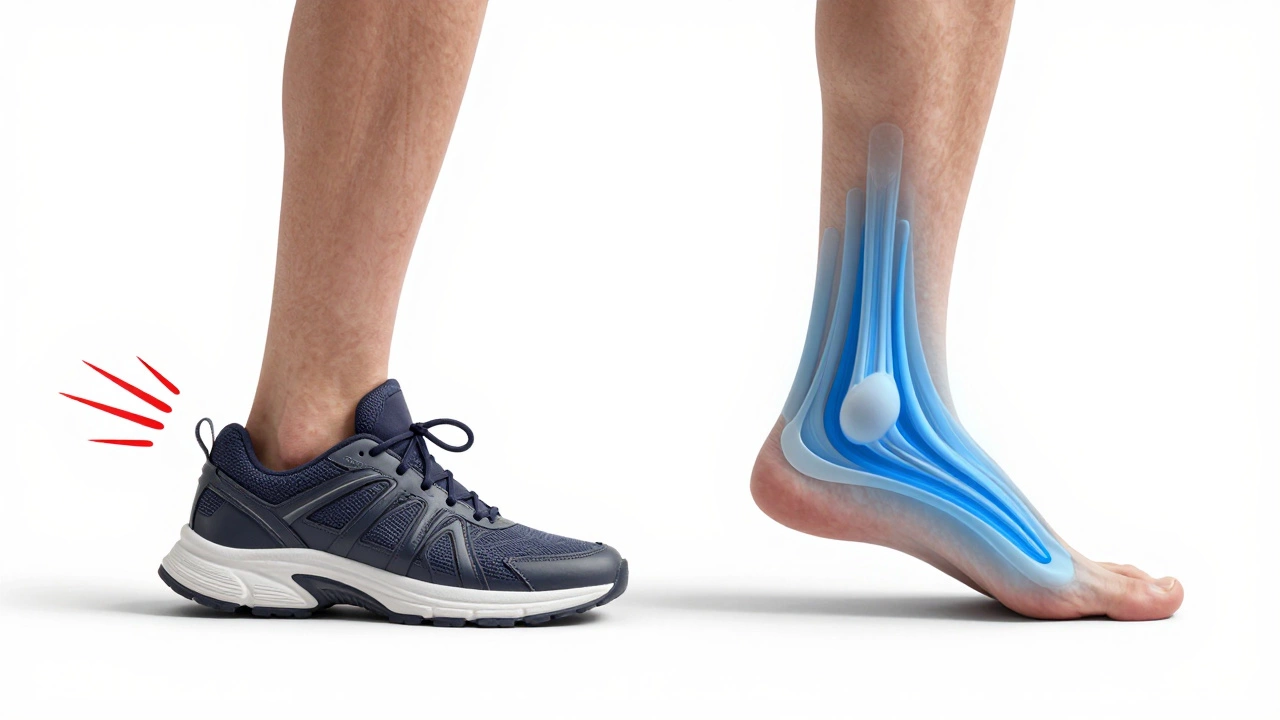
Most modern shoes are built with a high heel-to-toe drop. This design pushes your weight forward, which almost forces you to land on your heel. When you land on your heel, the shock travels straight up your leg to your knees and hips. Barefoot running is a method of running without footwear or in minimalist shoes to mimic the natural human gait. By removing the cushion, you naturally shift to a midfoot or forefoot strike.
Think of your foot as a natural shock absorber. The arch is designed to flex, and the Achilles tendon acts like a spring, storing and releasing energy. When we wear thick foam, those muscles go dormant. It's like wearing a cast on your foot for years; when you finally take it off, the foot is weak and stiff. This is why many people find that barefoot running helps them feel more "connected" to the ground and improves their overall stability.
Is It Actually Better for Your Joints?
There is a common debate about where the impact goes. If you land on your heel, your knees take the hit. If you land on your forefoot, your calves and ankles take the hit. Neither is inherently "better," but for many, shifting the load away from the knee joints is a lifesaver. A study on running biomechanics showed that forefoot strikers have significantly less pressure on the Patellofemoral joint (the knee cap area) compared to heel strikers.
However, this doesn't mean the shoes are the enemy. It means the *way* we run in them is often the problem. If you try to run with a "barefoot" strike while wearing heavy, cushioned shoes, you're fighting the shoe's design. The goal of going minimalist is to align your form with your gear. When your foot lands directly under your center of gravity, you stop "braking" with every step and start gliding.
The Risks: Where Things Go Wrong
Let's be real: the danger of barefoot running isn't the act itself, but the transition. The most frequent injury seen in new minimalists is the Stress fracture, particularly in the metatarsals. This happens because the bones in your feet haven't had time to densify to handle the increased load. You can't expect a foot that's been pampered in memory foam for a decade to suddenly handle 10 miles of pavement.
Then there's the Plantar Fascia. This thick band of tissue on the bottom of your foot is the primary support for your arch. If you overstretch it too quickly, you'll end up with inflammation that can sideline you for weeks. The key is gradual exposure. You wouldn't start weightlifting with a 300lb bench press; don't start barefoot running with a marathon.
| Feature | Traditional Cushioned Shoes | Barefoot / Minimalist |
|---|---|---|
| Primary Strike Point | Heel | Midfoot / Forefoot |
| Muscle Engagement | Lower (Foot muscles are passive) | Higher (Foot muscles are active) |
| Knee Impact | Higher shock transmission | Lower shock transmission |
| Ankle/Calf Load | Lower | Higher |
| Proprioception | Muffled/Low | High (Better ground feel) |
How to Transition Without Getting Injured
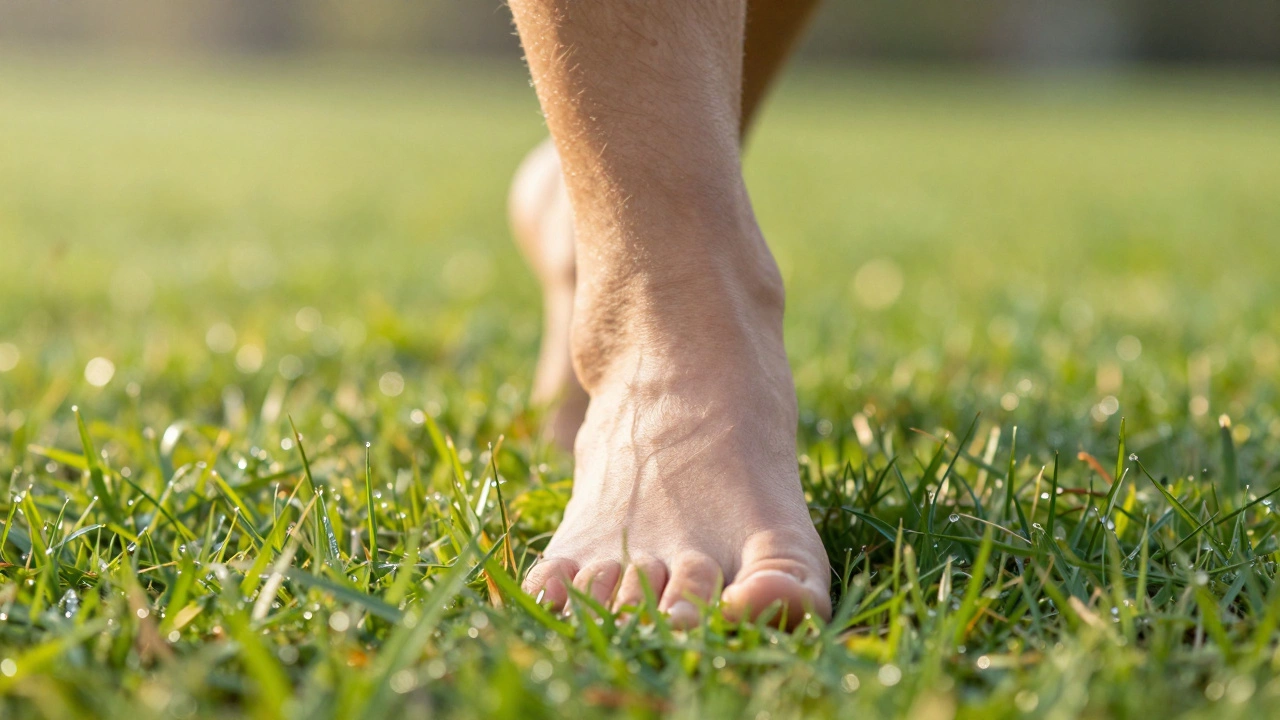
If you want to try this, treat it like a new sport. Your feet need to "re-learn" how to work. Start by spending more time barefoot at home. Walk on grass, sand, or carpet. This wakes up the sensory nerves in your soles. Once that feels natural, try short intervals of barefoot walking outside.
When you're ready to run, follow the "10% rule"-not just for distance, but for barefoot time. If you usually run 20 miles a week in shoes, maybe try 1 or 2 miles of that barefoot on a soft surface like a track or a flat trail. Pay close attention to your cadence. You should be taking shorter, quicker steps. If you're taking long, leaping strides, you're still running with a "shod" mentality and risking injury.
- Phase 1: Home habit. Ditch the slippers. Walk barefoot on all indoor surfaces.
- Phase 2: Soft surface walking. Spend 15 minutes a day walking on grass or sand.
- Phase 3: The "Micro-Run". Run for 30 seconds, walk for 2 minutes. Repeat 5 times.
- Phase 4: Minimalist gear. Introduce Minimalist shoes (zero-drop shoes) to protect from glass or hot asphalt while keeping the feel.
- Phase 5: Gradual distance. Slowly increase your barefoot mileage over several months.
The Middle Ground: Minimalist Shoes
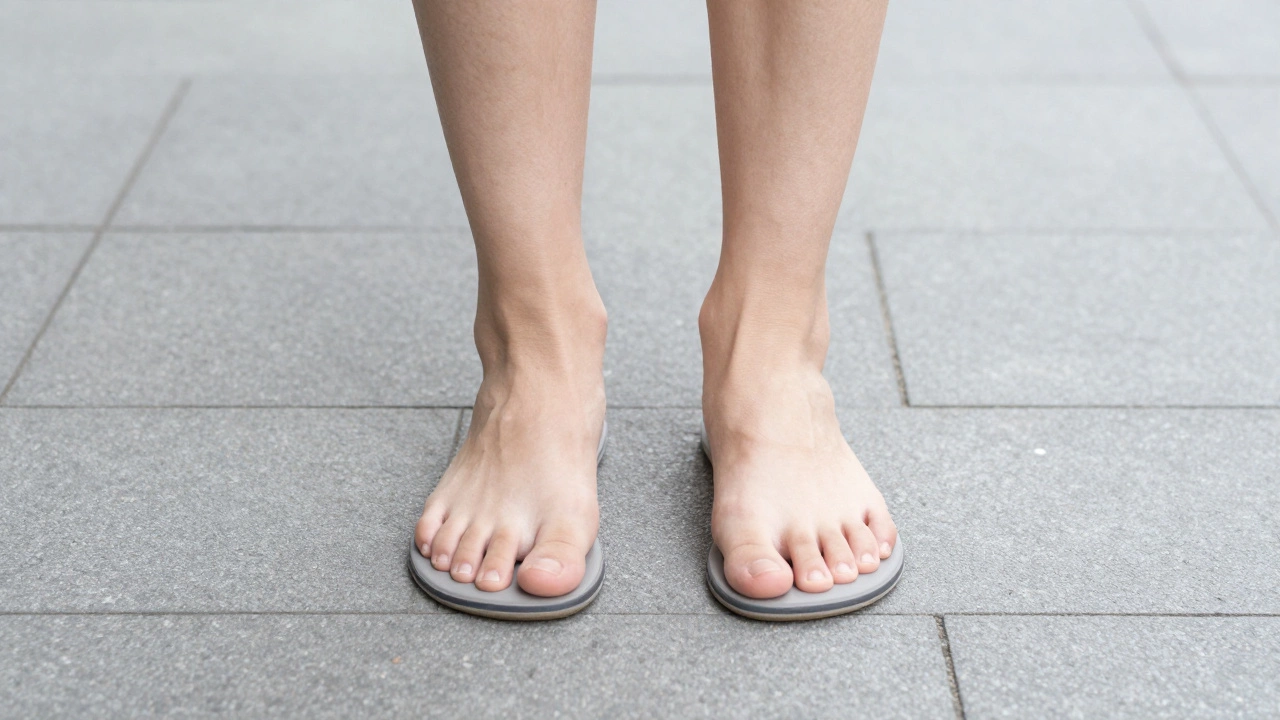
For most people, going completely barefoot isn't practical. You can't exactly run through a city center without worrying about a stray piece of glass or a hot sidewalk in July. That's where Minimalist footwear comes in. These are shoes with a very thin sole and a "zero-drop" meaning the heel and toe are at the same height.
The goal here is to provide a thin barrier of protection without altering the foot's natural movement. Look for a "wide toe box." Many traditional shoes squeeze the toes together, which can lead to bunions or neuromas. A wide toe box allows your toes to splay naturally, which is essential for balance and power. If the shoe feels like a second skin rather than a platform, you're on the right track.
Common Misconceptions
One of the biggest myths is that barefoot running "cures" flat feet. While it can strengthen the muscles that support the arch, your bone structure is what it is. You might develop a more functional arch, but you aren't changing your genetics. Another myth is that everyone *should* do it. Some people have structural issues or severe joint degeneration where the cushioning of a traditional shoe is a medical necessity. If you have a history of severe foot deformities, talk to a podiatrist first.
People also confuse "barefoot running" with "running without shoes." While they are often the same, the philosophy is about natural movement. You can achieve a natural gait in some lightly cushioned shoes, and you can run with terrible, injury-prone form while barefoot. The shoe is just a tool; the form is the actual engine.
Will barefoot running fix my knee pain?
It can, but not automatically. Knee pain often comes from heel-striking, which puts a lot of pressure on the joint. By switching to a forefoot strike (which happens naturally when barefoot), you move that stress to your calves. However, if you transition too fast, you might trade knee pain for Achilles tendonitis. The key is a slow transition and focusing on a higher cadence.
Can I go barefoot on concrete?
Yes, but only after your feet have adapted. Concrete is unforgiving and doesn't compress. For beginners, it's much safer to start on grass, dirt, or a synthetic track. Once your skin has toughened up and your foot muscles are strong enough to handle the impact, concrete is fine, provided you maintain a soft, midfoot landing.
How do I know if my form is correct?
Listen to your feet. If your landing is loud (a "slap" sound), you're likely hitting the ground too hard. A correct barefoot stride is relatively quiet. You should also feel your foot landing directly under your hips, not far in front of your body. If you feel a sharp pain in your heel, you're still heel-striking.
Are minimalist shoes just expensive flip-flops?
Not exactly. While they are thin, a good minimalist shoe is designed to secure the foot without restricting it. They provide a layer of protection against debris and heat, and they often have a more durable outsole than a flip-flop, while still maintaining a zero-drop profile to keep your posture neutral.
How long does the transition take?
Depending on how long you've worn cushioned shoes, it can take anywhere from three months to a full year. There is no shortcut. If you feel any persistent pain in the top of your foot or your heel, scale back immediately. Your muscles and bones need time to remodel themselves to the new stress patterns.
What to Do Next
If you're feeling inspired, start today by simply taking your shoes off the moment you get home. Walk around your living room and kitchen barefoot. Notice how your toes grip the floor. If you're a seasoned runner, try a "barefoot 100"-just 100 meters of barefoot jogging on grass after your regular warm-up. See how it feels. If it feels intuitive and light, you're on the right path. If it feels like you're walking on needles, your feet are telling you to slow down.
For those with existing injuries, a physical therapist can help you strengthen your feet using balance boards or resistance bands before you ever hit the pavement. Remember, the goal isn't to be a "barefoot purist," but to have the strongest, most capable feet possible. Whether you end up in zero-drop shoes or completely barefoot, your joints will thank you for the effort.