Sports Equipment Classifier
Answer the following questions about a specific pair of shoes to determine their likely classification in retail, professional, and financial contexts.
1. Sport-Specific Tech?
Does it have specialized technology (e.g., carbon plates, cleats, lateral support) designed for a specific sport?
2. Usage-Based Replacement?
Do you replace them based on mileage/usage rather than style or wear-and-tear over years?
3. Mandatory for Play?
Is this specific shoe required to participate safely in your chosen activity?
4. Casual Wearable?
Can these shoes be worn comfortably to work, dinner, or shopping without looking out of place?
5. Tax Deductible Context?
Are you claiming them as a business expense for specialized safety or uniform requirements?
Classification Result
0/5| Context | Likely Classification |
|---|
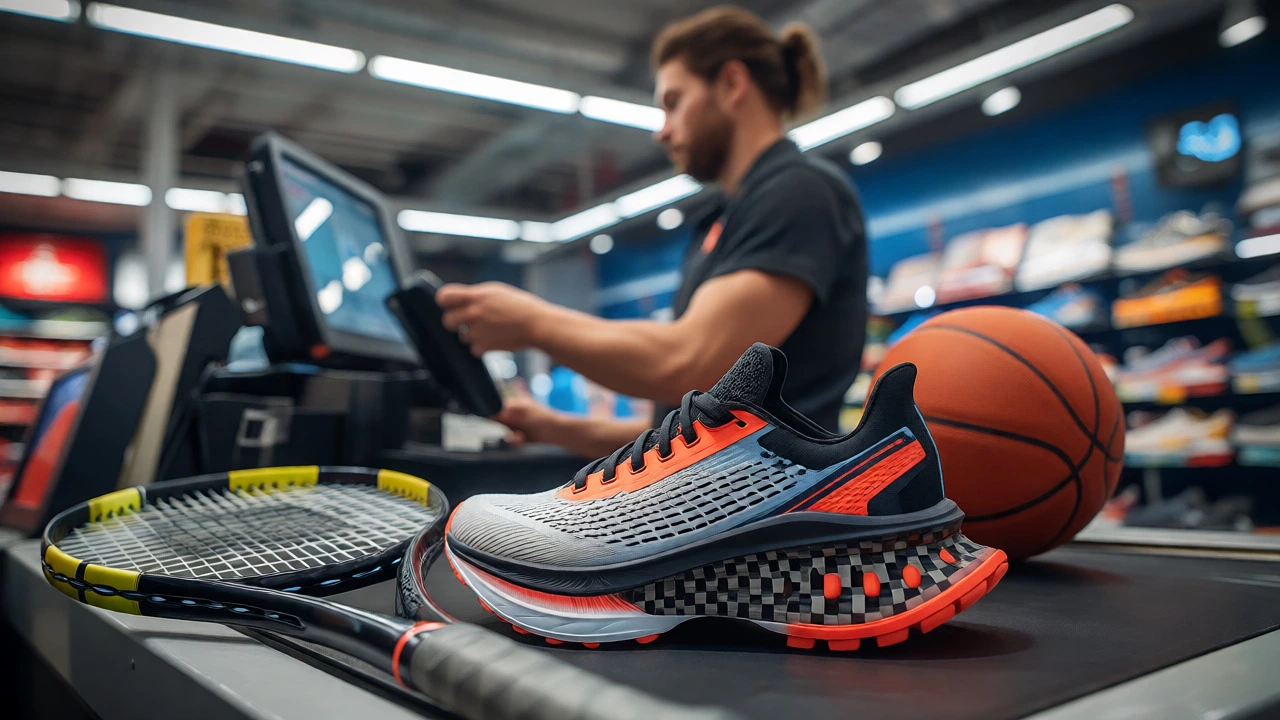
You’re standing in the checkout line at a sporting goods store. You’ve got your tennis racket, your basketball, and now you’re holding up a pair of running shoes. The cashier scans them without blinking. But have you ever stopped to wonder: is a shoe actually considered sports equipment?
It sounds like a trick question, doesn’t it? Most people just grab their sneakers and head to the gym or the track. But if you dig into how sports organizations, retailers, and even insurance companies define "gear," things get surprisingly complicated. Is your footwear part of the kit, or is it just clothing? Does it count toward your equipment budget? And why does this distinction matter when you’re trying to claim expenses for work or training?
The Short Answer (and Why It’s Complicated)
Yes, in almost every practical sense, shoes are sports equipment. But technically, they sit in a gray area between apparel and hardware. Let’s break down why.
In the world of retail and sports science, equipment is usually defined as any item that enhances performance, provides protection, or facilitates participation in a sport. Shoes tick all those boxes. They aren’t just covering your feet; they are engineered tools designed to interact with specific surfaces, absorb impact, and improve stability. A bare foot on a basketball court is dangerous and inefficient. A specialized basketball shoe changes the physics of how you move. That functional enhancement is the hallmark of equipment.
However, some strict definitions separate "apparel" (things you wear) from "equipment" (things you use). Under this rigid view, a shirt is apparel, a bat is equipment, and a shoe is... well, confusing. Because you wear it, it feels like clothing. Because it’s highly technical and expensive, it feels like gear. This ambiguity causes headaches for tax deductions, school budgets, and even professional athlete contracts.
How Different Industries Classify Footwear
To understand where shoes fit, you have to look at who is asking the question. Different sectors have different rules.
| Sector | Classification | Reasoning |
|---|---|---|
| Retail & Marketing | Equipment/Gear | High price point, technical features, sold alongside rackets/bats. |
| Tax & Accounting | Ambiguous/Apparel | Often grouped with clothing unless specifically required for safety (e.g., cleats). |
| Professional Sports | Essential Equipment | Mandatory for play; often sponsored separately from jerseys. |
| Insurance/Liability | Protective Gear | Viewed as safety equipment similar to helmets or pads. |
Notice the pattern? When money and performance are involved, shoes are equipment. When bureaucracy and general clothing categories are involved, they get lumped in with socks and shorts.
The Technical Argument: Why Shoes Are Tools, Not Just Clothes
If you treat a shoe like a sock, you miss the engineering marvel inside it. Think about a modern running shoe. It’s not just leather and rubber. It’s a complex system of materials designed to manipulate energy return.
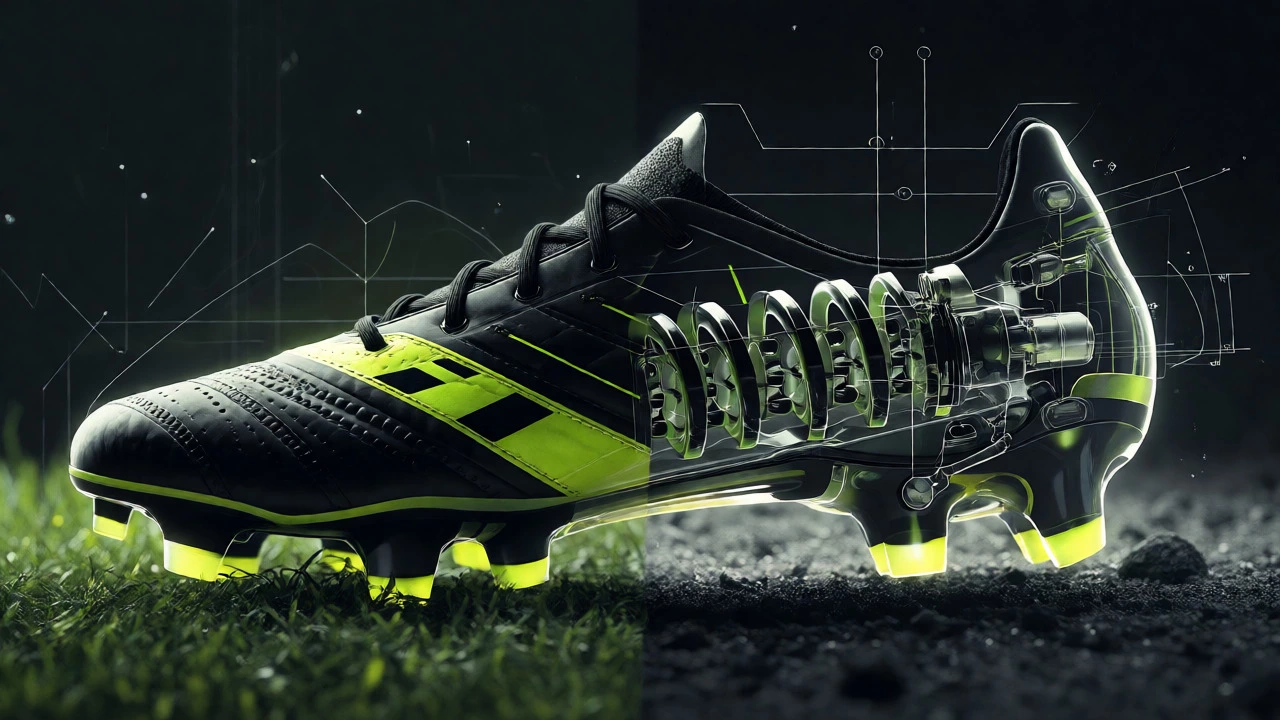
Take carbon-fiber plates, for example. Brands like Nike introduced these in shoes like the Vaporfly. These plates act like springs, storing and releasing energy with every step. A standard sneaker doesn’t do that. A wool sock definitely doesn’t do that. If an item significantly alters your biomechanics and improves your time by minutes over a marathon, calling it "clothing" feels wrong. It’s functioning more like a prosthetic aid than a garment.
Consider soccer cleats. The studs on the bottom are there to bite into grass, providing traction that allows for rapid acceleration and direction changes. Without those studs, you’re sliding around. The shoe isn’t protecting your foot from cold; it’s enabling the sport itself. That is the primary function of equipment: to make the activity possible or better.
When Are Shoes NOT Considered Equipment?
There are scenarios where shoes fall out of the "equipment" bucket entirely.
- General Fitness Wear: If you’re wearing generic white sneakers to a yoga class or a light walk, they’re likely classified as casual footwear or apparel. They lack the specialized design features tied to a specific sport.
- Uniform Requirements: In some team sports, if everyone wears the exact same brand and model provided by the league, it might be categorized under "uniforms" rather than personal equipment. This is common in high-school settings where budget constraints force standardization.
- Tax Deductions for General Employees: If you’re a teacher wearing comfortable shoes for standing all day, the IRS (in the US) typically views this as everyday clothing, not a deductible business expense. Unlike a surgeon’s scrubs or a construction worker’s steel-toed boots, regular athletic shoes are seen as adaptable to daily life.
The Financial Impact: Budgeting for Your Feet
Why should you care about this classification? Money. Lots of it.
If you’re a parent paying for youth sports, understanding whether shoes are "equipment" helps you plan your budget. Equipment costs are often one-time or infrequent purchases (like buying a baseball glove), while shoes wear out quickly. Runners replace shoes every 300-500 miles. Soccer players might go through two pairs a season. Treating shoes as disposable consumables rather than durable equipment changes how you save.
For athletes seeking sponsorships, the distinction matters too. Many brands offer deals for "footwear only." If you consider your shoes equipment, you negotiate differently than if you consider them apparel. Apparel deals often include jerseys and accessories, while footwear deals focus solely on the shoes. Knowing this helps you structure your contract requests effectively.

Health and Safety: The Protective Role of Footwear
Beyond performance, there’s the safety argument. OSHA (Occupational Safety and Health Administration) guidelines often classify specialized footwear as Personal Protective Equipment (PPE). While this applies mostly to industrial jobs, the logic transfers to sports.
A basketball player wearing low-top sneakers has less ankle support than one wearing high-tops. If that player suffers an ankle sprain, was it due to poor technique or inadequate equipment? Courts and insurers often argue that proper footwear is part of the duty of care. Therefore, in liability cases, shoes are treated as protective gear-essential equipment to prevent injury.
This perspective shifts the conversation from "style" to "function." You don’t buy a helmet because it looks cool; you buy it to protect your brain. Similarly, you shouldn’t buy trail-running shoes just for the tread pattern; you buy them to prevent slips and reduce stress on your joints. Viewing them as protective equipment encourages you to invest in quality rather than just aesthetics.
Practical Checklist: Is Your Shoe Equipment?
Still unsure about your specific situation? Use this quick checklist to determine how your footwear should be classified.
- Does it have sport-specific technology? (e.g., spikes for track, cushioning for running, lateral support for tennis). If yes, it’s equipment.
- Do you replace it based on usage/mileage? If you track its lifespan like a tool, it’s equipment.
- Is it mandatory for participation? If you can’t play without it, it’s essential equipment.
- Can you wear it casually? If yes, it leans toward apparel. If no (like heavy wrestling shoes), it’s equipment.
- Are you claiming it for taxes/reimbursement? Check local laws, but generally, specialized safety gear is deductible, while general fitness shoes are not.
Conclusion: Treat Them Like Gear
So, is a shoe sports equipment? Functionally, absolutely. It’s a piece of technology that interacts with the ground to enable movement. While accountants might file it under "clothing," athletes, coaches, and retailers know the truth: your shoes are the foundation of your performance.
Next time you lace up, think of yourself as putting on your most critical piece of gear. Maintain it, replace it when it’s worn, and respect its role in keeping you safe and fast. After all, if you wouldn’t run a race in flip-flops, you already know they’re more than just clothes.
Are running shoes considered medical devices?
Generally, no. Unless prescribed by a doctor for a specific condition (like custom orthotics), running shoes are classified as consumer goods or sports equipment. However, some therapeutic shoes may qualify as medical aids depending on local healthcare regulations.
Can I deduct athletic shoes on my taxes?
In many jurisdictions, including the US, you cannot deduct general athletic shoes as a business expense because they are considered "everyday clothing." Exceptions exist for specialized safety footwear (like steel-toed boots) or uniforms that are not suitable for everyday wear.
Why do pro athletes get paid for shoes?
Shoes are a major marketing channel. Since they are visible during broadcasts and social media posts, brands pay athletes to wear them. This treats shoes as advertising space, reinforcing their status as valuable commercial products distinct from basic apparel.
Do kids need special shoes for sports?
Yes, especially for organized sports. Children’s feet are still developing, and using improper footwear can lead to injuries or poor biomechanical habits. Sport-specific shoes provide necessary support and traction that generic sneakers lack.
What is the difference between sports equipment and sporting goods?
The terms are often used interchangeably, but "sporting goods" is a broader retail category that includes everything from balls to bats to shoes. "Sports equipment" tends to refer to items actively used to perform the sport (rackets, clubs, shoes), whereas "goods" might also include accessories like water bottles or towels.