Adult Swimming Readiness & Progress Tracker
Answer these questions honestly to determine where you should start in your learning journey.
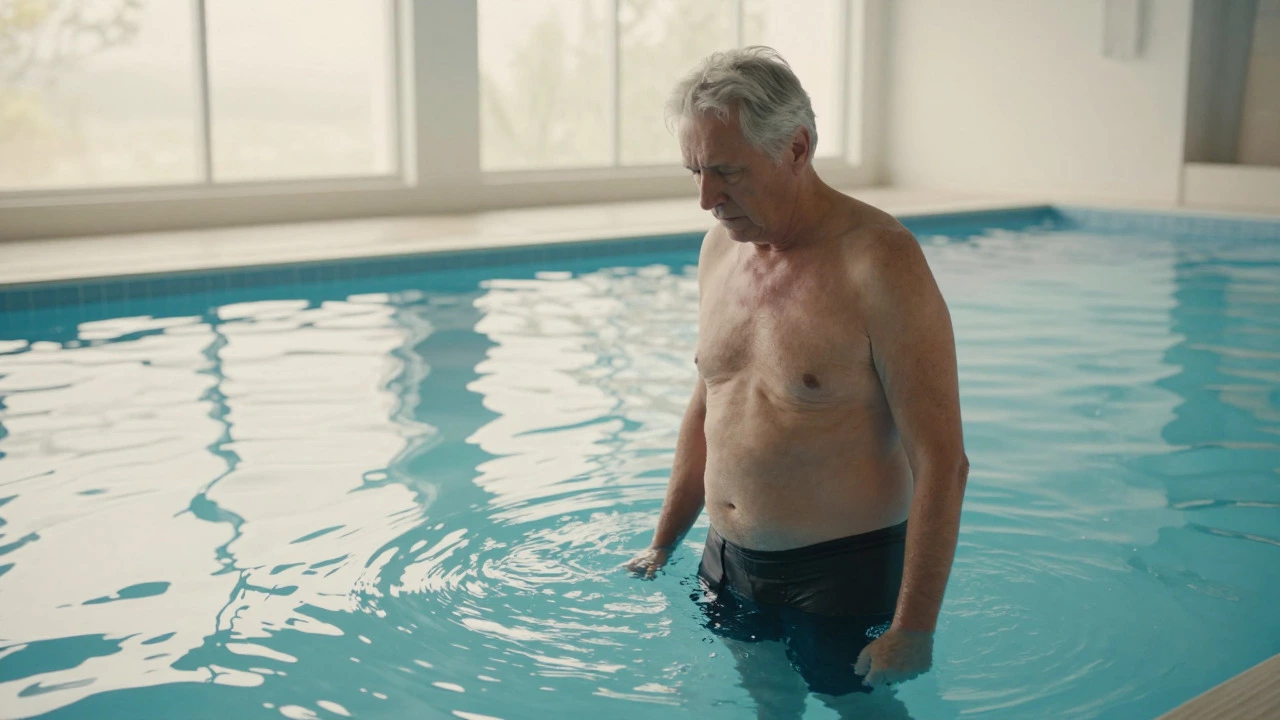
Imagine standing on the edge of a pool, heart pounding, wondering if it's too late. You are 60 years old, and the idea of floating in open water feels less like freedom and more like a dare you might fail. But here is the reality check: age is just a number, especially when it comes to learning new motor skills. In fact, adult swimming lessons are seeing a massive resurgence among people over 50 who want to reclaim their independence around water.
You don't need to be an athlete or have perfect flexibility. You just need to be willing to let go of your fear. Many adults believe that once childhood passes, the window for learning physical skills closes. That is a myth. Your brain remains capable of neuroplasticity-the ability to form new neural connections-well into your 70s and beyond. Learning to swim is not about being young; it is about patience, practice, and the right environment.
Why Adults Over 60 Hesitate to Start
The biggest barrier isn't physical capability; it's psychological. Most adults who haven't learned to swim by their teens carry a specific type of anxiety called aquaphobia, or the fear of water. This fear often stems from a lack of exposure during critical developmental years. When you were five, falling into a puddle was a minor inconvenience. At sixty, falling into a deep pool can feel catastrophic because you don't trust your body to keep you afloat.
There is also the social stigma. We live in a culture that celebrates youth. Seeing a 20-year-old effortlessly glide through water while you struggle to keep your head up can be discouraging. However, swimming is one of the few sports where technique matters far more than raw strength. A 60-year-old with proper technique will outlast and outperform a 20-year-old who relies solely on brute force. The key is understanding that you are building a new skill set, not trying to become an Olympic athlete overnight.
The Physical Reality: What Your Body Can Do
Let’s talk anatomy. By the time you hit 60, your joints may not move as freely as they did at 20. Your lungs might not expand to the same capacity without effort. Does this make swimming impossible? No. It just changes the approach. Water provides buoyancy, which supports about 90% of your body weight. This makes swimming one of the safest exercises for older adults because it puts minimal stress on knees, hips, and ankles.
Cardiovascular health is another factor. If you have high blood pressure or heart conditions, swimming is often recommended by doctors precisely because it is low-impact. However, you must listen to your body. Fatigue sets in faster for older learners, so shorter sessions with breaks are better than long, exhausting workouts. Think of it like gardening: you work in intervals, you hydrate, and you stop when it gets tiring. You don’t push until you collapse.
Flexibility is crucial for efficient stroke mechanics. Tight shoulders or hamstrings can make the freestyle stroke feel awkward. Before every lesson, spend ten minutes doing gentle stretches. Focus on shoulder rolls, neck rotations, and leg swings. This prepares your muscles for the repetitive motions required in the water. You aren't trying to break records; you are trying to move comfortably.
Choosing the Right Environment for Learning
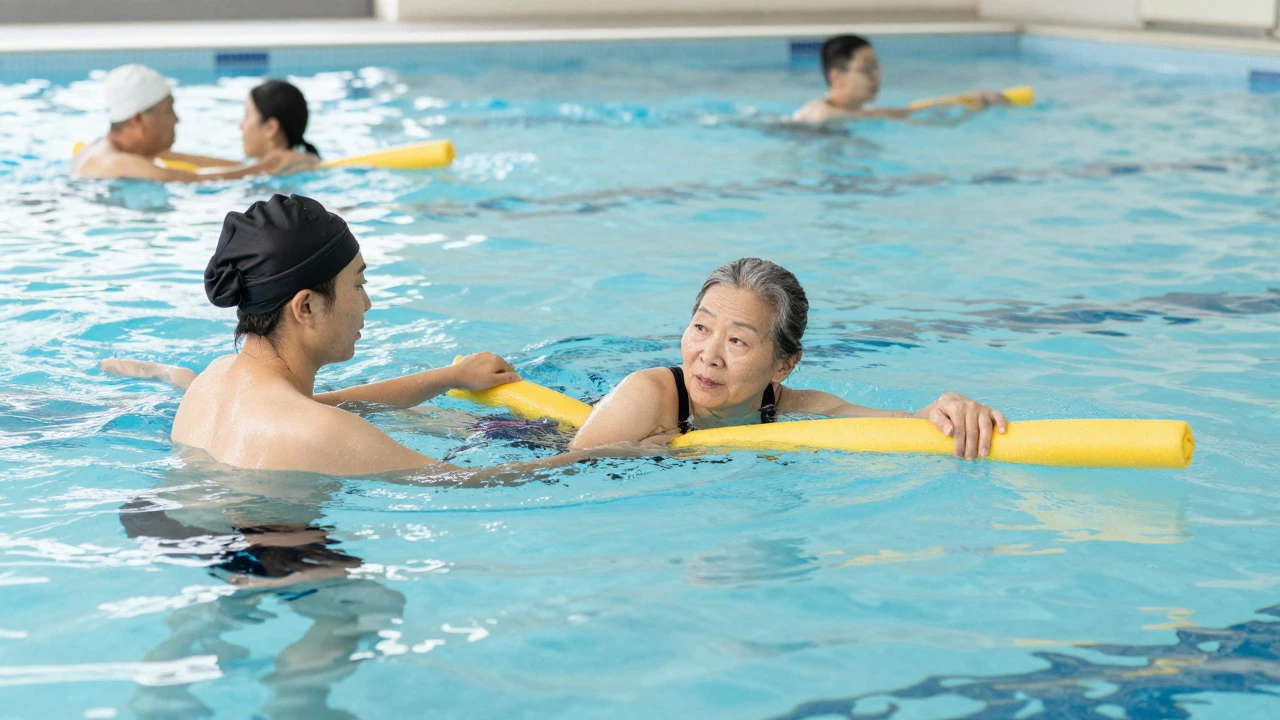
Not all pools are created equal, and not all instructors understand adult psychology. If you are starting at 60, avoid crowded lap pools where teenagers are sprinting laps. You need a controlled environment. Look for a community center or a specialized aquatic facility that offers "beginner adult" classes. These groups usually consist of people aged 40 to 70, creating a supportive peer group where no one is judged for struggling.
The instructor matters just as much as the location. A good teacher for adults understands that you need reassurance, not just technical correction. They should focus on breathing first. If you can breathe calmly in the water, everything else follows. Ask potential instructors about their experience with older adults. Have they taught seniors before? Do they use shallow-water techniques initially? A qualified instructor will start you in the chest-deep area, allowing you to walk while practicing floatation, rather than throwing you into the deep end immediately.
A Step-by-Step Approach to Your First Lessons
Here is how you should structure your early progress. Don't rush. Rushing leads to panic, and panic is the enemy of learning.
- Acclimatization: Spend the first two weeks just getting comfortable in the water. Walk around, splash water on your face, and practice blowing bubbles. Get used to the temperature and the feeling of water against your skin.
- Floatation Drills: Use a kickboard or hold onto the pool wall. Practice lifting your legs and letting your body float horizontally. This builds the trust that the water will hold you up.
- Face Down Comfort: Put your face in the water and breathe out slowly. Then lift your head and breathe in. Repeat this until it feels automatic. This is the single most important skill for swimming.
- Kicking: Once you can float and breathe, add kicking. Keep your legs straight but relaxed. Small, quick kicks are more efficient than large, splashing ones.
- Combining Skills: Only after you are confident in floating, breathing, and kicking separately, try combining them. Start with short distances, like 5 meters, then rest. Gradually increase the distance as your confidence grows.
Consistency beats intensity. Three 30-minute sessions a week are far more effective than one 2-hour session. Your muscle memory needs frequent reinforcement. Aim to get in the water at least twice a week, even if it's just for casual practice.
Overcoming the Fear of Deep Water
Eventually, you will need to move away from the wall. This is where the mental game becomes real. The transition from shallow to deep water is a psychological hurdle, not a physical one. In the shallow end, you can stand up if you fall. In the deep end, you must trust your floatation skills completely.
To bridge this gap, use a pool noodle or a small flotation belt. These tools give you extra security without removing the challenge. Hold the noodle under your armpits and practice gliding across the deep end. You know you won't sink, so your mind can relax. As your confidence grows, reduce your reliance on the aid. One day, you will realize you are floating without support, and that moment is incredibly liberating.
Remember, drowning is rare among adults who take lessons. Most accidents happen to non-swimmers who jump into deep water without preparation. Since you are learning gradually, you are actually safer than someone who thinks they can swim but lacks technique.
Health Benefits Beyond Survival
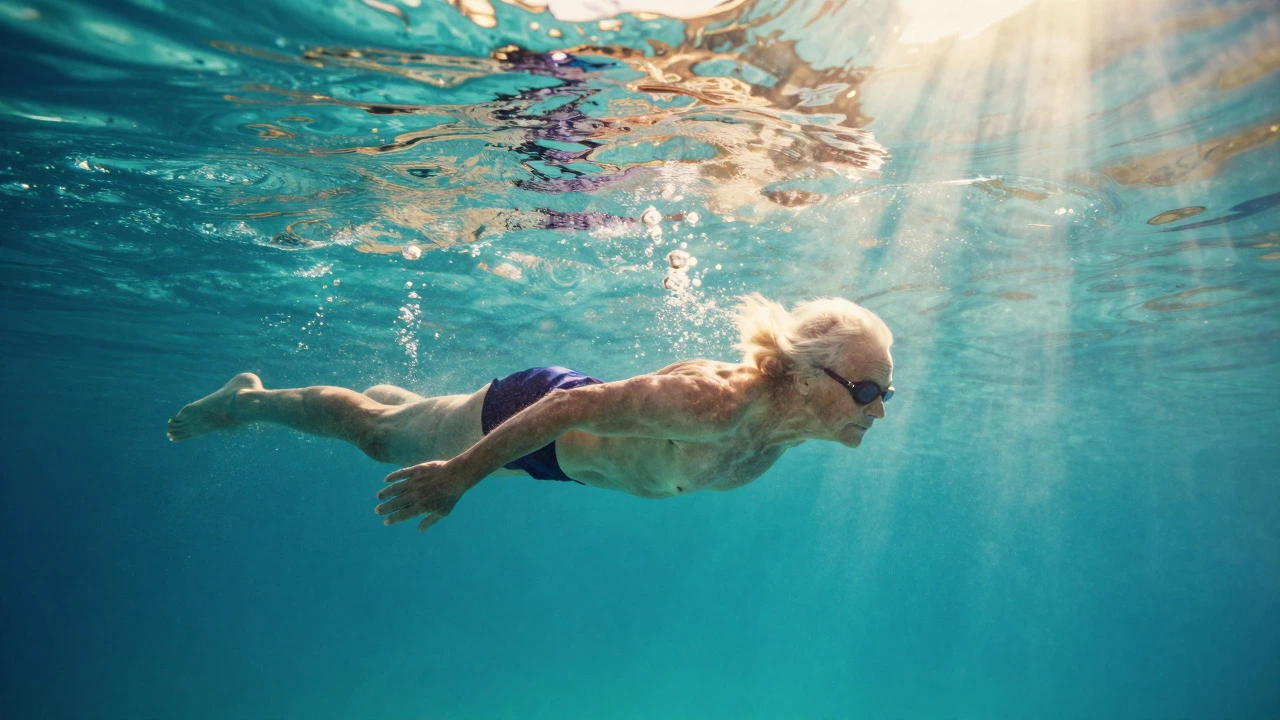
Learning to swim at 60 is not just about safety; it's about quality of life. Swimming is a full-body workout that improves cardiovascular health, strengthens muscles, and enhances lung capacity. Studies have shown that regular swimmers have lower rates of chronic disease and better cognitive function. The rhythmic nature of swimming also has a meditative effect, reducing stress and anxiety levels.
Furthermore, swimming is a lifelong activity. Unlike running, which can wear down your joints, swimming can be done comfortably well into your 80s. Many retirees find that swimming becomes their primary social outlet. Joining a local swim club or group allows you to meet people with similar interests, combating the isolation that can sometimes accompany aging.
Common Mistakes to Avoid
Even with the best intentions, beginners make errors that slow progress. Here are the top mistakes to watch out for:
- Holding your breath: This causes tension and makes you tire quickly. Always exhale underwater.
- Tensing up: Relax your shoulders and arms. Tension increases drag and wastes energy.
- Looking forward: Keep your eyes looking down at the bottom of the pool. Looking forward tilts your head back and sinks your hips.
- Skipping warm-ups: Cold muscles are prone to injury. Always stretch before entering the water.
- Comparing yourself to others: Everyone learns at their own pace. Focus on your personal improvement, not the person in the next lane.
If you feel frustrated, step out of the pool. Take a break. Come back the next day. Frustration is normal, but quitting is not an option if you want to succeed.
Frequently Asked Questions
How long does it take to learn to swim at age 60?
Most adults can achieve basic water competency in 10 to 15 lessons, which typically takes 2 to 3 months if you attend twice a week. Mastering a continuous stroke may take longer, depending on your comfort level and frequency of practice.
Do I need special equipment to start swimming lessons?
You only need a swimsuit, goggles, and a towel. Goggles are essential for keeping water out of your eyes, which helps reduce anxiety. A swim cap is optional but can help with hair management and hydrodynamics. You do not need fins or kickboards initially, though instructors may provide them for drills.
Is it safe to swim if I have joint pain or arthritis?
Yes, swimming is often recommended for people with arthritis because the water supports your weight, reducing impact on joints. However, consult your doctor before starting any new exercise program. Choose a heated pool if possible, as warm water can help soothe stiff joints.
What if I am afraid of putting my face in the water?
This is very common. Start by wetting your face and nose. Then, practice blowing bubbles with your mouth above the surface. Gradually submerge your face for short periods while holding onto the pool wall. Use a snorkel if necessary to separate breathing from submersion. With consistent practice, the fear usually diminishes within a few weeks.
Can I learn to swim without taking formal lessons?
It is possible, but highly discouraged for adults. Formal lessons provide structured feedback and safety supervision. Without a coach, you may develop bad habits that are hard to correct later. An instructor can identify subtle errors in your technique and ensure you are progressing safely.