
90-Minute Stamina Training Planner
Your Parameters
Enter your details and click "Generate Plan" to see your personalized stamina roadmap.
You’re halfway through your hike, and your legs feel like lead. Or maybe you’re on the court for a doubles match, and by minute forty, you’re gasping for air while your partner is still sprinting. We’ve all been there. That sudden wall where effort turns into agony isn’t just about being “out of shape.” It’s a specific physiological limit that you can push back. Building stamina for ninety minutes isn’t magic; it’s math. It’s about teaching your body to use fuel efficiently so you don’t run out before the clock does.
The Physiology of Long-Duration Energy
To understand how to last longer, you first need to know why you stop. Your body has two main energy systems: anaerobic (short bursts, high intensity) and aerobic (long duration, lower intensity). When you try to hold a high pace for ninety minutes, you’re burning through your limited glycogen stores-sugar stored in your muscles and liver-way too fast. Once those tanks are empty, your blood sugar drops, your brain signals fatigue, and you crash.
Glycogen depletion is the primary reason most people fail to sustain activity beyond 60-75 minutes without proper preparation. This is often called "hitting the wall." To avoid this, you need to improve your body's ability to burn fat as fuel. Fat is an almost infinite energy source compared to glycogen, but it burns slower. The goal of stamina training is to increase your aerobic threshold, allowing you to go faster while still primarily using fat for fuel.
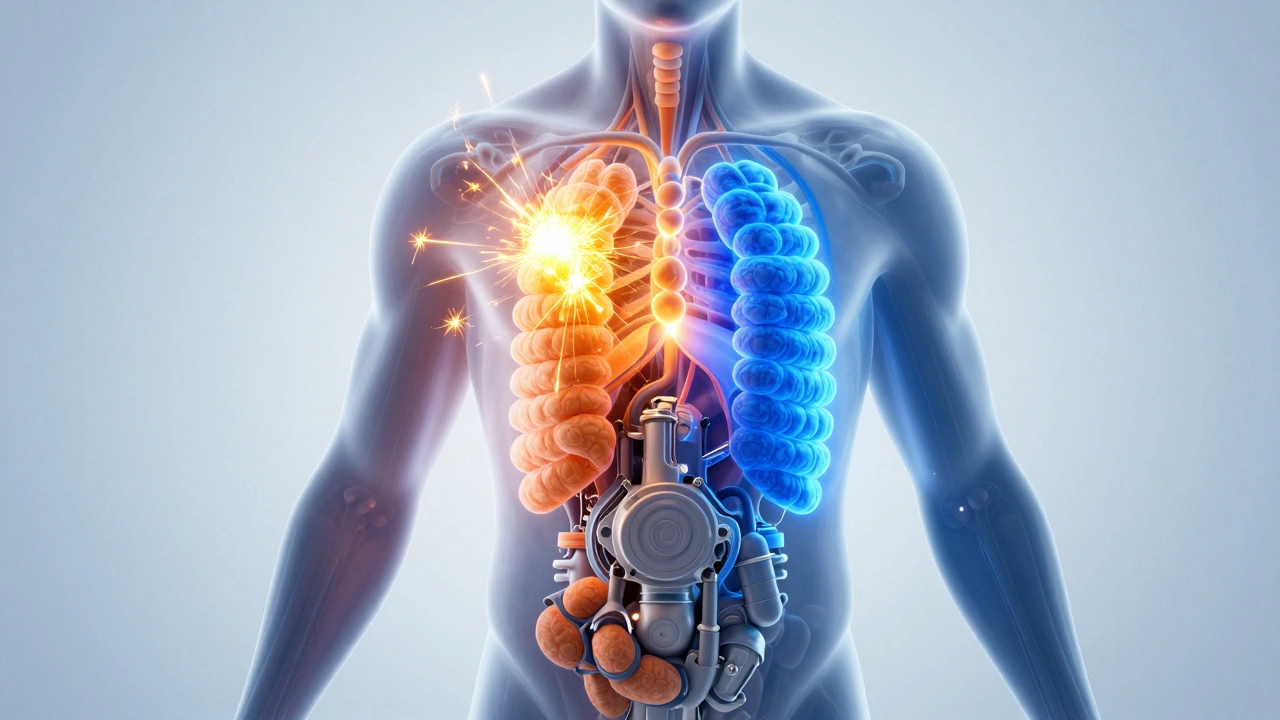
Think of your engine like a hybrid car. Right now, you might be running mostly on the electric battery (glycogen). Training teaches your engine to switch seamlessly to the gas tank (fat reserves) at higher speeds. This shift doesn't happen overnight. It requires consistent stress on the cardiovascular system over weeks and months.
Building Your Aerobic Base
If you want ninety minutes of quality output, you need a foundation of easy work. Most people train wrong because they go too hard, too often. They think sweat equals progress. It doesn’t. Sweat equals heat dissipation. Progress equals adaptation.
The golden rule of building endurance is the 80/20 Rule. Eighty percent of your weekly volume should be done at Zone 2 intensity. What is Zone 2? It’s the pace where you can hold a conversation comfortably. If you’re gasping between sentences, you’re going too fast. This zone builds mitochondrial density-the power plants in your cells-and capillary networks that deliver oxygen to muscles.
- Zone 1 (Recovery): Very slow, barely breaking a sweat. Good for active recovery days.
- Zone 2 (Aerobic Base): Steady, comfortable breathing. This is where 80% of your time should go.
- Zone 3 (Tempo): Moderate effort, slightly uncomfortable. Use sparingly.
- Zone 4-5 (Threshold/VO2 Max): Hard effort, unsustainable for long periods. Critical for speed, but not for base stamina.
Start with sessions that are shorter than your goal. If you want ninety minutes, start with forty-five-minute Zone 2 runs, swims, or rides. Do this three times a week. Increase the duration by five minutes each week. By week nine, you’ll have a session that hits the ninety-minute mark comfortably. This gradual overload prevents injury and ensures your connective tissues adapt alongside your heart.
Fuel Like an Athlete
Training tells your body what to do; nutrition tells it how to do it. You cannot build ninety minutes of stamina on an empty tank or poor fuel. Carbohydrates are king for endurance performance. They spare muscle protein and provide quick energy.
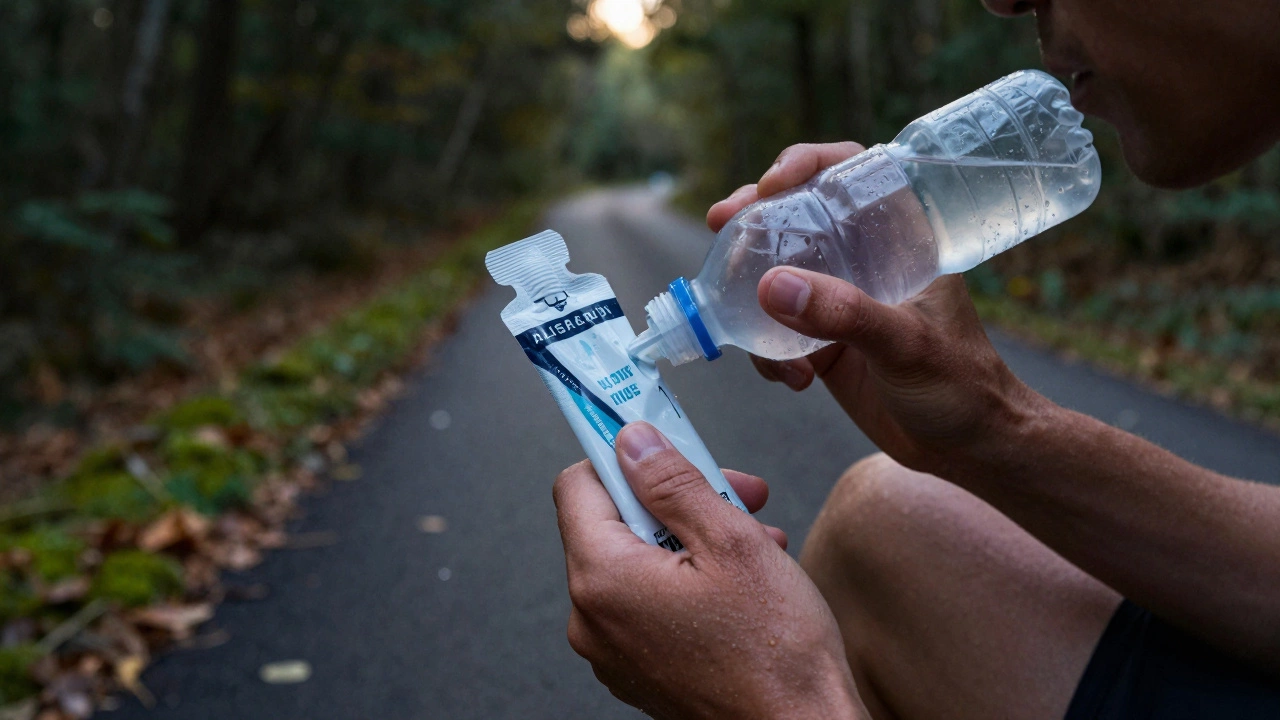
On training days, aim for carbohydrate loading strategy, even if it’s just for your long session. Eat a carb-rich meal two hours before your workout. Oatmeal with banana, rice with chicken, or pasta works well. During the ninety-minute session, you need to intake calories. Research suggests consuming 30-60 grams of carbohydrates per hour during prolonged exercise maintains blood glucose levels and delays fatigue.
This means carrying a gel, a sports drink, or even dates with you. Don’t wait until you’re hungry or thirsty. Hydration is equally critical. Dehydration reduces plasma volume, making your heart work harder to pump blood. Aim to sip water regularly before, during, and after your session. For sessions over an hour, consider electrolytes to replace sodium lost through sweat, which helps prevent cramping and maintains nerve function.
| Timeframe | Action | Example Foods |
|---|---|---|
| 2 Hours Before | Main Carb Meal | Rice, potatoes, oatmeal, whole grain bread |
| During (Every 20-30 mins) | Carb Intake (30-60g/hr) | Sports gels, bananas, energy chews, diluted juice |
| Immediately After | Recovery Window | Protein shake + fruit, chocolate milk, yogurt |
Cross-Training for Resilience
Doing the same motion for ninety minutes every day puts massive strain on specific joints and muscles. Runners get shin splints; cyclists get knee pain. Cross-training builds overall cardiovascular capacity while giving stressed tissues a break. It also improves neuromuscular coordination, making you more efficient in your primary sport.
Incorporate low-impact activities into your weekly routine. Swimming is excellent because it’s non-weight-bearing and forces full-body engagement. Cycling allows you to hit higher heart rates without the impact force of running. Rowing builds incredible posterior chain strength, which supports posture and efficiency in almost any endurance activity.
Aim for one cross-training session per week. Keep it in Zone 2. This adds to your total aerobic volume without adding repetitive impact stress. Over time, you’ll notice that your primary activity feels easier because your general engine has grown larger and more efficient.
Mental Toughness and Pacing
Stamina is fifty percent physical and fifty percent mental. At minute seventy, when your body screams to stop, your mind is the only thing keeping you moving. Developing mental resilience is part of the training process. One way to do this is through dissociation techniques. Focus on your surroundings, listen to music, or break the session into smaller chunks. Instead of thinking “I have twenty minutes left,” think “I just need to make it to that next tree.”
Pacing is the other half of the mental game. Most people start too fast. They feel good in the first twenty minutes, so they push harder. Then, in the last thirty minutes, they pay the price with interest. Learn to start conservatively. Check your heart rate monitor or perceived exertion scale frequently. If you can maintain a steady effort from start to finish, you’ll finish strong. Negative splitting-going faster in the second half than the first-is the hallmark of elite endurance athletes, but for us, just holding a consistent pace is a huge win.
Recovery: Where the Growth Happens
You don’t get fitter when you train; you get fitter when you recover from training. Training creates micro-tears in muscle fibers and depletes energy stores. Recovery repairs those tears stronger and replenishes the stores. Without adequate rest, you’re just accumulating damage.
Sleep is the most powerful recovery tool available. Aim for seven to nine hours of quality sleep per night. During deep sleep, your body releases growth hormone, which aids in tissue repair. If you’re cutting corners on sleep, you’re cutting corners on your stamina gains. On top of sleep, prioritize active recovery days. Light walking, gentle yoga, or foam rolling increases blood flow to muscles, helping to clear metabolic waste products like lactate.
Listen to your body. If you wake up with a consistently elevated resting heart rate, or if you feel unusually sluggish, take an extra rest day. Pushing through illness or extreme fatigue leads to overtraining syndrome, which can set you back weeks or months. Consistency over intensity is the key to long-term success.
How long does it take to build 90 minutes of stamina?
For a beginner, it typically takes 8 to 12 weeks of consistent training to comfortably sustain 90 minutes of moderate-intensity activity. If you are already somewhat fit, you might see results in 4 to 6 weeks. The key is gradual progression, increasing your duration by no more than 10% per week to avoid injury.
Can I build stamina by only doing high-intensity workouts?
No. High-intensity intervals improve your VO2 max and speed, but they do not efficiently build the aerobic base required for long-duration endurance. You need a significant amount of low-intensity, steady-state cardio (Zone 2) to teach your body to burn fat for fuel and sustain effort over time.
What should I eat during a 90-minute workout?
You should consume 30-60 grams of carbohydrates per hour. This can be achieved through sports drinks, energy gels, or easily digestible foods like bananas or raisins. Start eating within the first 20-30 minutes of your session to maintain blood glucose levels and delay fatigue.
Is it normal to feel tired after a long endurance session?
Yes, feeling physically drained is normal, especially when you are new to long-duration training. However, you should not feel completely wiped out for days. If you are experiencing extreme soreness or lethargy for more than 24 hours, you may be training too hard or not recovering properly. Adjust your intensity and ensure you are sleeping enough.
How do I know if I am in Zone 2?
The easiest way to check is the "talk test." In Zone 2, you should be able to speak in full sentences without gasping for air. If you can only say a few words at a time, you are likely in Zone 3 or higher. Using a heart rate monitor can also help, as Zone 2 is typically 60-70% of your maximum heart rate.