Tennis Age & Readiness Calculator
Enter your age and current experience level to receive personalized advice on starting or continuing tennis, including suitable formats, equipment recommendations, and injury prevention tips.
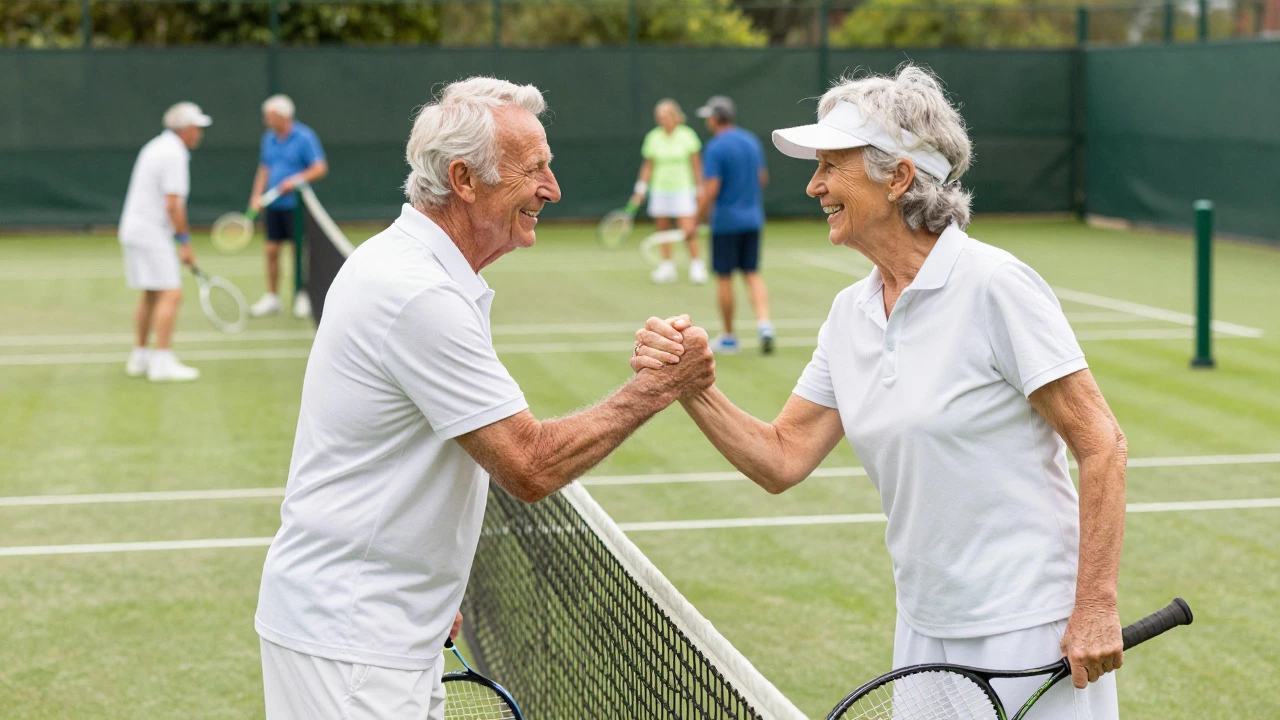
There is no specific age where you are too old to play tennis. While professional circuits have strict cutoffs, the sport itself welcomes players well into their eighties and nineties. If you are wondering whether it is time to pick up a racket or return to the court after a long break, the answer depends entirely on your goals. Are you aiming for Grand Slam glory, or do you just want to stay active and social?
The reality is that tennis is one of the few sports that scales perfectly with age. You can modify the intensity, court size, and rules to fit your physical capabilities. In fact, many people find that their tactical understanding improves as they get older, compensating for any loss in raw speed. Let’s look at how the game changes across different life stages and what you need to know to start or continue playing safely.
The Professional vs. Recreational Divide
To understand "too late," we first need to separate elite competition from recreational play. In the professional world, governed by the ATP (Association of Tennis Professionals) and WTA (Women's Tennis Association), there is no official upper age limit. However, the physical demands are so high that very few players compete past their early thirties. Legends like Novak Djokovic and Serena Williams pushed these boundaries, but they are statistical outliers who started training as children.
If you are thirty-five and thinking about turning pro, it is likely too late unless you have been competing at a junior national level since age ten. But if you are fifty, sixty, or seventy, you are right on time for the vast majority of tennis opportunities. The recreational circuit is massive and deeply structured to accommodate all ages. This is where the real fun begins, and where you will find your community.
Senior Tennis: A Thriving Global Community
Senior tennis is not just a consolation prize; it is a highly organized competitive ecosystem. Organizations like USTA League (United States Tennis Association) and ITF Seniors (International Tennis Federation) run thousands of tournaments specifically for older adults. These events are categorized by five-year age brackets, such as 50-54, 55-59, and so on, ensuring fair competition against peers with similar physical attributes.
In Australia, where I live, the Australian Senior Open attracts hundreds of competitors annually. Players in their seventies often display incredible shot-making skills and strategic depth. The focus shifts from power to placement, consistency, and court positioning. Many seniors report that this stage of their tennis career is the most enjoyable because the pressure to win every point diminishes, replaced by a love for the game and camaraderie.
| Age Group | Primary Focus | Typical Format | Key Physical Demand |
|---|---|---|---|
| 18-35 | Power & Speed | Professional / Collegiate | Explosive movement, endurance |
| 36-49 | Tactics & Consistency | Club Leagues / Social | Recovery management, joint health |
| 50+ | Placement & Strategy | Senior Tournaments / Ladder | Mobility, balance, low-impact cardio |
Starting Tennis Later in Life: Is It Possible?
Yes, you can absolutely start tennis later in life. Many beginners pick up the racket in their forties, fifties, or even sixties. The learning curve might be slightly steeper than for a teenager due to reduced neuroplasticity, but adults often learn more efficiently because they understand concepts like spin, angles, and footwork better. You don’t need to be an athlete to enjoy the game.
When starting late, the key is patience. Don’t try to hit the ball hard immediately. Focus on getting the ball over the net and into the court. Use a larger racket with a lighter frame to reduce strain on your arms. Consider using low-compression balls or foam balls initially, which move slower and give you more time to react. This approach builds confidence and reduces the risk of injury, which is the biggest barrier for new older players.
Physical Adaptations and Injury Prevention
As we age, our bodies change. Tendons become less elastic, joints may develop arthritis, and recovery times lengthen. To play tennis sustainably, you must adapt your game and your preparation. Here are some practical adjustments:
- Warm-up thoroughly: Spend at least 10-15 minutes warming up before playing. Include dynamic stretches like arm circles, leg swings, and light jogging. Cold muscles are prone to tears.
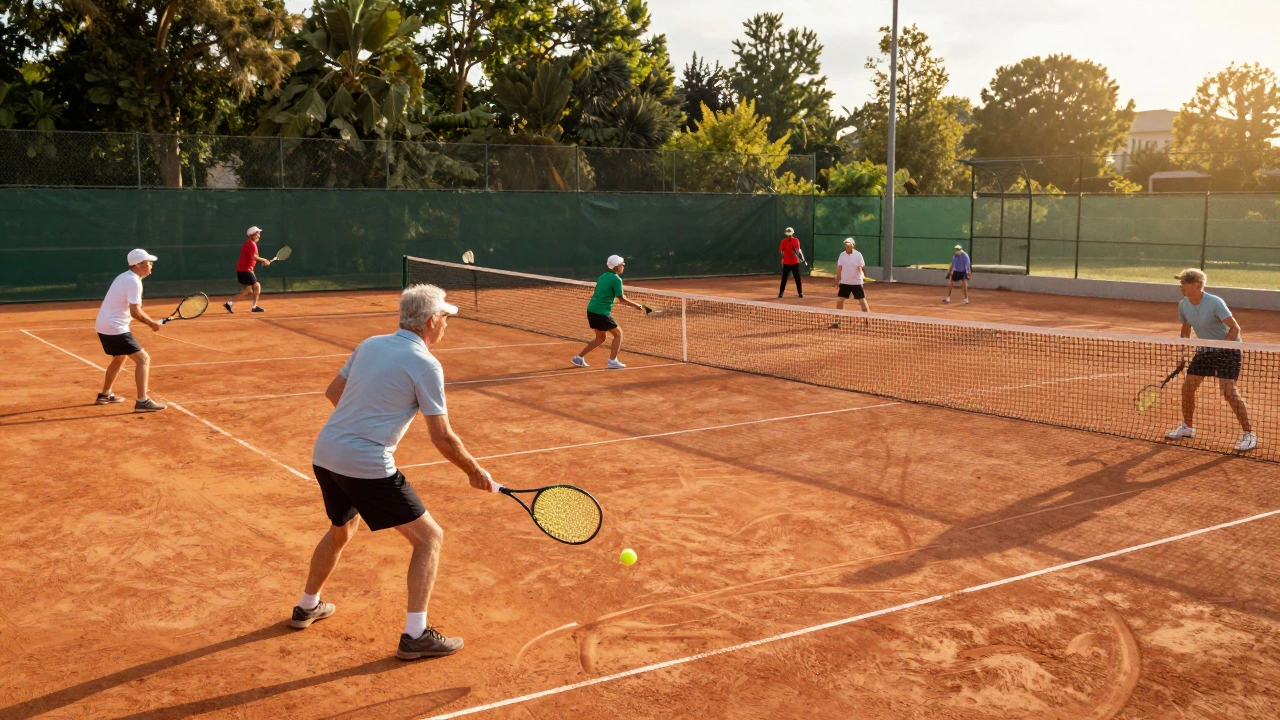
- Choose the right surface: Hard courts are tough on knees and hips. If possible, play on grass or clay, which are more forgiving. If you only have access to hard courts, wear shoes with excellent cushioning.
- Modify the serve: The overhead serve puts significant stress on the shoulder and lower back. Learn a toss-and-hit technique rather than a full wind-up, or consider switching to a continental grip if you haven't already.
- Cross-train: Incorporate strength training, particularly for your core, legs, and rotator cuff. Swimming and cycling are excellent low-impact cardio options that complement tennis without adding joint stress.
Listen to your body. Pain is a signal, not a challenge. If you feel sharp pain in your elbow (tennis elbow) or knee, take a break. Rest is part of training. Many older players thrive by playing three short sessions a week rather than two long ones.
Social and Mental Benefits of Playing Tennis
Beyond physical fitness, tennis offers profound mental and social benefits. It is a game that requires intense focus, which can help clear your mind of daily stresses. The strategic element keeps your brain sharp, improving problem-solving skills and reaction times. Studies suggest that racquet sports like tennis can significantly reduce the risk of cognitive decline in older adults.
Socially, tennis clubs are hubs for community. Whether you join a league team, a social group, or simply arrange regular matches with friends, you build connections that extend beyond the court. For retirees or those looking to expand their social circle, tennis provides a structured activity with built-in conversation starters. The shared experience of a good match creates bonds that last.
Equipment Tips for Older Players
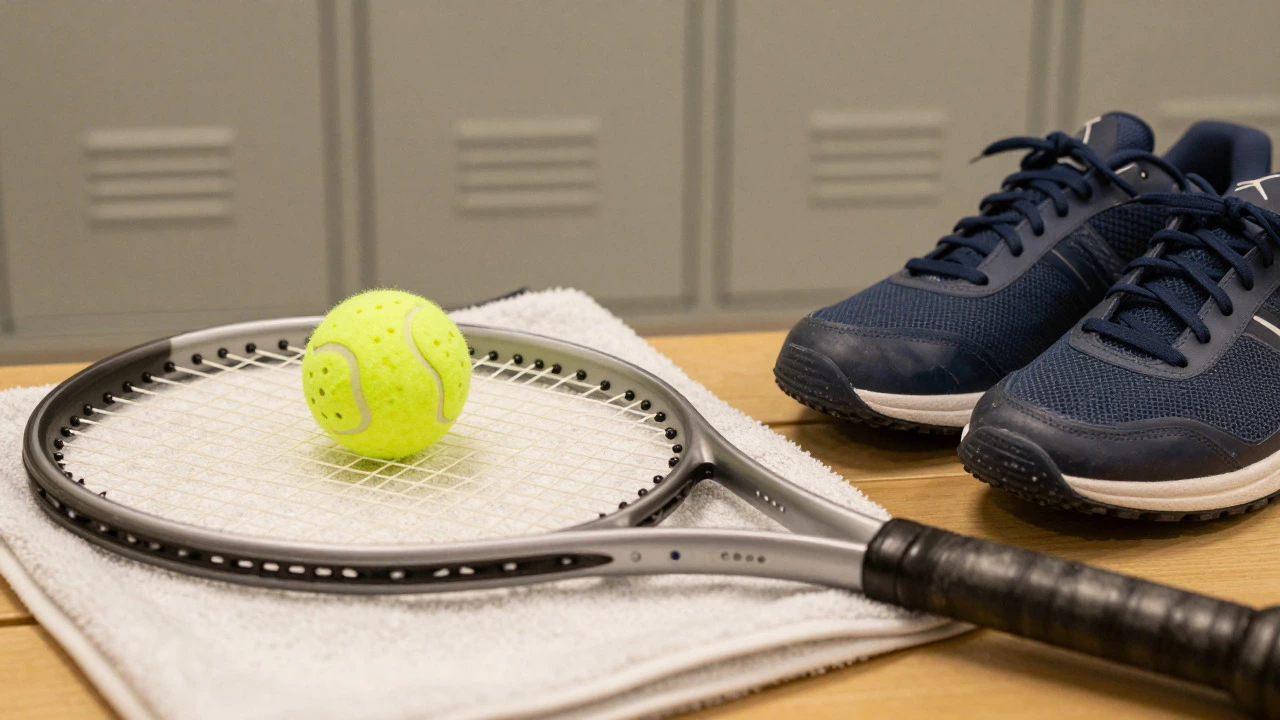
Your gear matters more as you age. An outdated racket can lead to discomfort and poor performance. Look for rackets with larger head sizes (100-105 square inches) for a bigger sweet spot and more forgiveness on off-center hits. Graphite or composite materials offer a good balance of power and control without being too heavy.
Strings also play a crucial role. Natural gut strings provide excellent comfort and power but are expensive and require frequent restringing. Synthetic multifilament strings are a great alternative, offering a softer feel than polyester strings, which are durable but harsh on the arm. Consult with a local pro shop to find the right string tension for your game-lower tension generally means more power and less shock.
Finding Your Local Scene
Once you decide to play, finding a place to go is the next step. Most communities have public parks with courts, but joining a club offers more structure. Clubs often host beginner clinics, social mixers, and internal leagues. In Sydney, for example, the NSW Tennis website lists numerous programs for adults of all levels. Ask around for "social tennis" groups, which prioritize fun and participation over winning.
If you prefer competition, look for senior-specific tournaments. The ITF Seniors World Team Cup is a major event, but there are countless local and regional championships. Participating in these events gives you goals to work toward and a sense of achievement. Remember, the goal is not to beat the young pros but to improve yourself and enjoy the process.
Is it too late to start tennis at 50?
No, it is not too late. Many people start tennis in their fifties and enjoy it for decades. Focus on proper technique, use appropriate equipment, and start with shorter sessions to build fitness gradually.
What is the oldest age someone has played professional tennis?
While rare, some players have competed professionally into their late thirties. Björn Borg returned to the tour at 38, though he did not win major titles. For most, the professional window closes in the early thirties due to physical demands.
Are there tennis tournaments for seniors?
Yes, there are extensive senior tennis tournaments worldwide. Organizations like USTA, ITF, and national bodies run events for age groups starting from 50 and going up to 85+ years old.
How can I prevent tennis elbow when starting later in life?
Prevent tennis elbow by using a racket with a larger head size and softer strings, ensuring your grip is correct, and strengthening your forearm muscles. Avoid hitting too hard too soon and warm up properly before playing.
Can I play tennis if I have knee problems?
You can often play tennis with knee problems by choosing softer surfaces like clay or grass, wearing supportive shoes, and modifying your footwork to reduce lateral movements. Consult a physiotherapist for personalized advice.