Fitness Self-Assessment Tool
This tool helps you assess your current fitness status using simple, real-world tests described in the article. Enter your results below to receive a personalized fitness profile.
Your Fitness Profile
Note: This tool provides a general estimate based on functional benchmarks. Consult a healthcare professional for medical advice.
You step off the bus, walk two blocks to your apartment, and feel slightly winded. Or maybe you chase your dog in the park for five minutes and feel fine. This ambiguity is frustrating. Physical fitness isn't a single switch that flips from "off" to "on." It is a spectrum of capabilities involving your heart, lungs, muscles, and joints working together. Many people confuse looking fit with being fit. A six-pack doesn't guarantee your heart can handle stress. Conversely, someone carrying extra weight might have incredible cardiovascular endurance. So, how do you actually know where you stand?
We need to strip away the vanity metrics. Forget the mirror for a second. Fitness is functional. It’s about having the energy to play with your kids, the strength to carry groceries, and the stamina to climb stairs without stopping for breath. To give you a clear answer, we’re going to look at specific, measurable tests you can do today. These aren’t complex lab experiments. They are real-world indicators of your health status.
The Resting Heart Rate Reality Check
Your resting heart rate (RHR) is one of the most honest signals your body gives you. It tells you how hard your heart works when you’re doing nothing. Generally, a lower RHR indicates better cardiovascular efficiency. If your heart pumps more blood per beat, it doesn’t need to beat as often. For most adults, a normal RHR sits between 60 and 100 beats per minute (bpm). However, athletes often see rates below 60 bpm. If yours is consistently above 85 bpm while resting, it might signal poor cardiovascular conditioning or high stress levels.
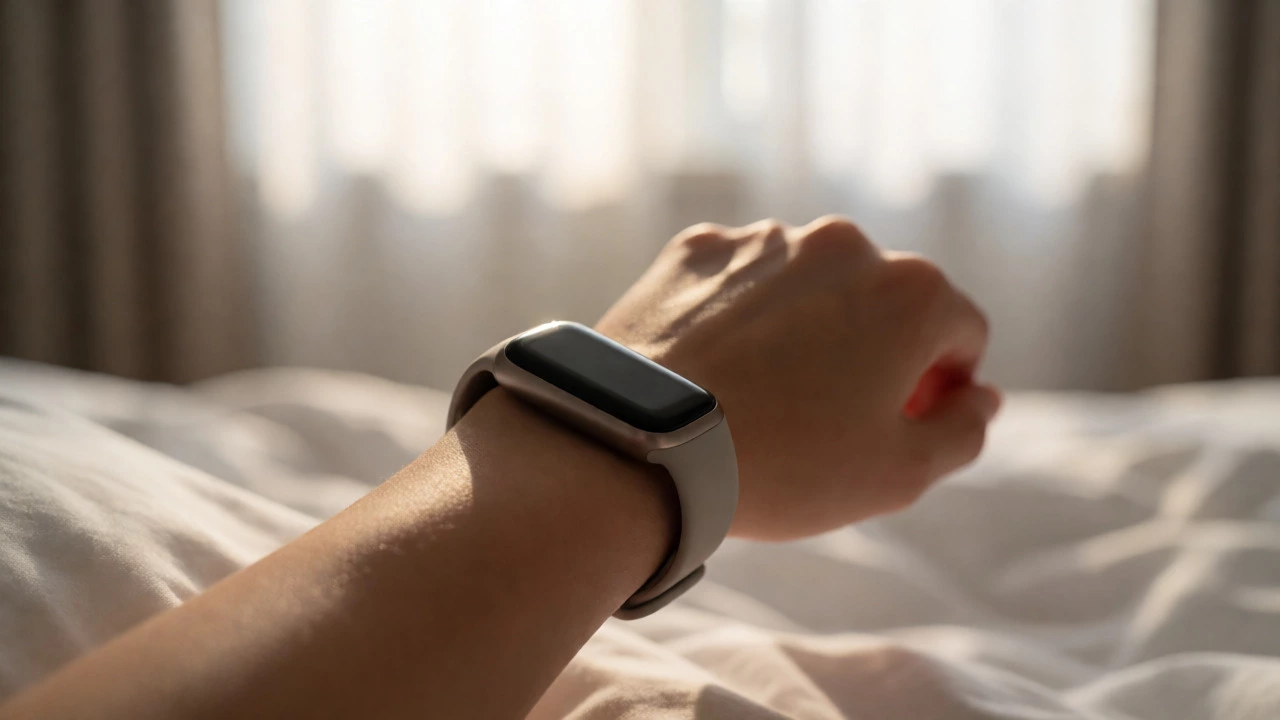
To test this accurately, don’t just check it after walking around. Measure it first thing in the morning before you even sit up. Use a wearable tracker or manually count pulses on your wrist for 60 seconds. Track this number weekly. If it drops over time, your heart is getting stronger. If it spikes suddenly, it could be illness, lack of sleep, or overtraining. This simple metric provides a baseline for your internal engine’s health.
The Talk Test: Assessing Cardiovascular Endurance
Cardiovascular endurance is your ability to sustain physical activity. The easiest way to gauge this without a treadmill is the Talk Test. While jogging, hiking, or cycling, try to hold a conversation. If you can speak in full sentences comfortably, you are likely in an aerobic zone, which is great for building base fitness. If you can only say three or four words at a time, you’ve crossed into anaerobic territory. That means your body is struggling to supply enough oxygen to your muscles.
This isn’t necessarily bad; interval training pushes you here intentionally. But if you get winded walking up a flight of stairs, your aerobic base is weak. Aim to be able to talk during moderate exercise. This capability correlates strongly with VO2 max, the maximum amount of oxygen your body can use. Higher VO2 max scores are linked to longer life expectancy. You don’t need a lab mask to estimate this. Just listen to your breathing rhythm. Smooth, controlled breaths mean good efficiency. Gasping means your system is overwhelmed.
Functional Strength Benchmarks
Muscular strength isn’t just about lifting heavy barbells. It’s about moving your own body weight with control. Can you perform basic movements correctly? Here are three key benchmarks for general fitness:
- Squats: Can you squat until your thighs are parallel to the floor without your heels lifting off the ground? This tests leg strength and hip mobility.
- Push-ups: Men should aim for 10-20 consecutive push-ups with perfect form. Women should aim for 5-10 modified or standard push-ups. If you fail early, upper body strength needs work.
- Plank Hold: Hold a forearm plank for 60 seconds. If your hips sag or shoot up, your core stability is lacking. A strong core protects your back and improves posture.
Notice these are not about maximum weight. They are about endurance and form. If you can’t control your own body, adding external weight increases injury risk. Start mastering these basics. Once you hit these numbers, you have a solid foundation of functional strength.
| Test | Beginner Indicator | Fit Indicator | Athlete Indicator |
|---|---|---|---|
| Resting Heart Rate | > 80 bpm | 60-75 bpm | < 60 bpm |
| Wall Sit Duration | < 30 seconds | 60-90 seconds | > 2 minutes |
| Flexibility (Toe Touch) | Fingertips miss shins | Fingertips touch toes | Palm touches floor |
| Balancing on One Leg | < 5 seconds | 10-30 seconds | > 30 seconds with eyes closed |

Balance and Proprioception
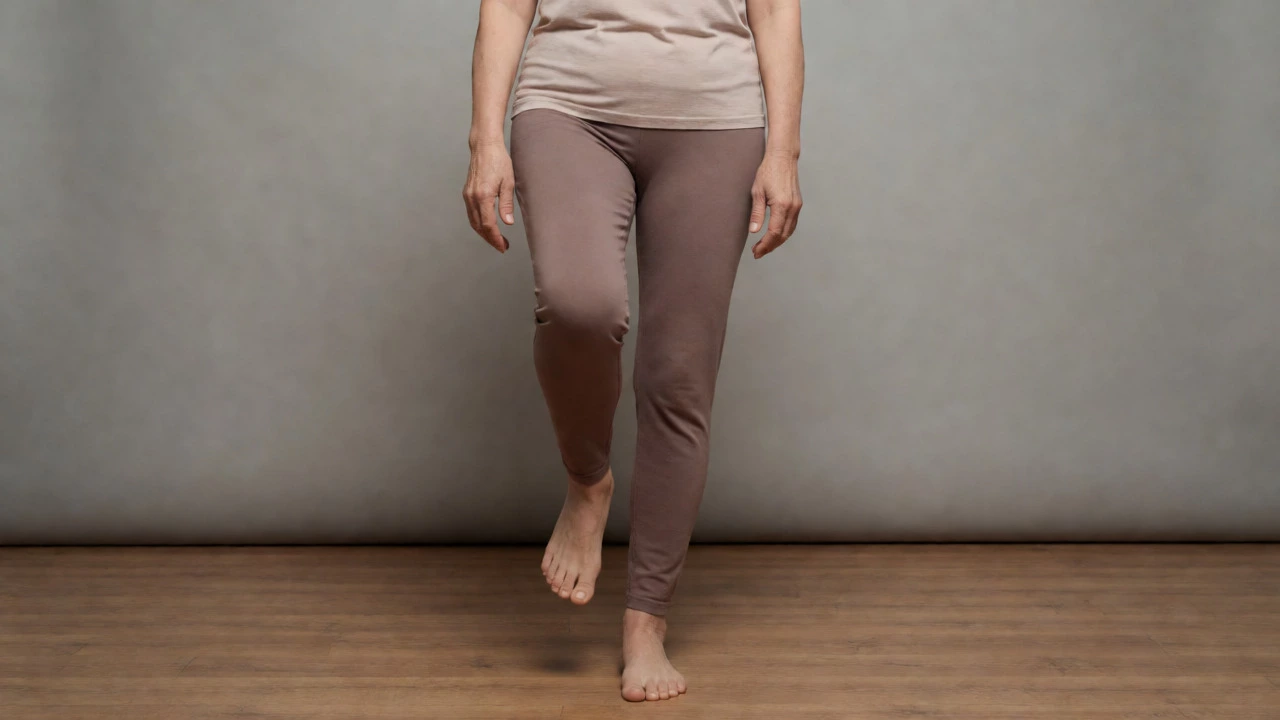
Fitness includes coordination and balance, which decline rapidly if ignored. Balance relies on proprioception-your body’s ability to sense its position in space. This involves your inner ear, vision, and nerves in your feet and legs. Poor balance increases fall risk, especially as you age. Try standing on one leg with your eyes open. Hold for 30 seconds. Then, try it with your eyes closed. Most people struggle significantly once visual input is removed.
If you wobble excessively or put your foot down quickly, your stabilizer muscles are weak. This affects everything from running mechanics to preventing ankle sprains. Incorporate single-leg exercises like lunges or calf raises into your routine. Balance is a trainable skill. Improving it makes everyday movements safer and more efficient.
Recovery Speed Matters More Than Effort
How fast does your heart rate return to normal after intense activity? This is called heart rate recovery (HRR). It’s a powerful predictor of heart health. After a brisk run or stair climb, wait exactly one minute. Check your pulse. Subtract that number from your peak heart rate during the exercise. A drop of 12-20 beats or more is considered good. Less than 12 beats may indicate poor cardiovascular fitness or autonomic nervous system issues.
Fast recovery means your parasympathetic nervous system activates quickly to calm the body down. Slow recovery suggests your body remains in "fight or flight" mode too long. This chronic stress impacts sleep and immunity. Monitor this after workouts. If your recovery slows down over weeks, you might be overtraining or under-recovering. Sleep and nutrition play huge roles here. You can’t out-train a bad diet or lack of rest.
Daily Energy Levels and Mood
Finally, ask yourself: Do I have energy left at the end of the day? Chronic fatigue is a red flag. Fit individuals typically report higher energy levels because their mitochondria (the powerhouses of cells) are more efficient. They process fuel better. If you crash every afternoon or feel sluggish despite sleeping eight hours, your fitness might be impacting your metabolic health negatively.
Mood is also tied to fitness. Regular exercise releases endorphins and reduces cortisol. If you feel anxious, irritable, or depressed regularly, increasing physical activity can help. But beware: excessive exercise without adequate rest can worsen mood and increase anxiety. Listen to your mind as much as your muscles. True fitness supports mental clarity and emotional resilience, not just physical appearance.
Putting It All Together
You don’t need all these boxes checked perfectly to be "fit." Fitness is personal. A marathon runner has different benchmarks than a powerlifter. But generally, if your resting heart rate is reasonable, you can move your body weight with control, recover quickly from exertion, and maintain daily energy, you are functionally fit.
Start small. Pick one test from this list. Improve it by 10% over the next month. Then pick another. Consistency beats intensity. Don’t worry about comparing yourself to influencers online. Compare yourself to last month’s version of you. That’s the only competition that matters.
Is BMI a good indicator of fitness?
No, Body Mass Index (BMI) is a rough screening tool, not a fitness measure. It doesn't distinguish between muscle mass and fat mass. An athlete with high muscle density might have a "high" BMI but excellent fitness levels. Conversely, someone with a "normal" BMI could have low muscle mass and high visceral fat, known as "skinny fat." Functional tests and body composition analysis are far more accurate.
How often should I test my fitness?
Every 4 to 6 weeks is ideal. Testing too frequently (like weekly) can lead to frustration due to natural daily fluctuations in performance. Testing too rarely (yearly) makes it hard to track progress. Choose a consistent day and time, preferably when you are well-rested, to ensure comparable results.
Can I be fit if I am overweight?
Yes, absolutely. There is a concept called "metabolically healthy obesity," though it's debated, many heavier individuals have strong hearts and lungs. However, excess weight places additional strain on joints and organs. Being fit helps mitigate some risks associated with being overweight, but losing excess fat usually improves overall health markers further. Focus on improving fitness first; weight loss often follows naturally.
What is a good resting heart rate for my age?
Average resting heart rates vary by age. For adults aged 18-25, average is 70-75 bpm. For 26-35, it's 65-70 bpm. Athletes in any age group will have lower rates. If you are over 40 and your RHR is consistently above 80, consult a doctor to rule out underlying conditions, then focus on aerobic exercise to lower it.
Does soreness mean I got a good workout?
Not necessarily. Delayed Onset Muscle Soreness (DOMS) indicates unfamiliar stress or eccentric loading, not necessarily effective training. You can make significant strength gains without severe soreness. Chasing soreness can lead to overtraining. Focus on progressive overload-doing slightly more work over time-rather than pain.