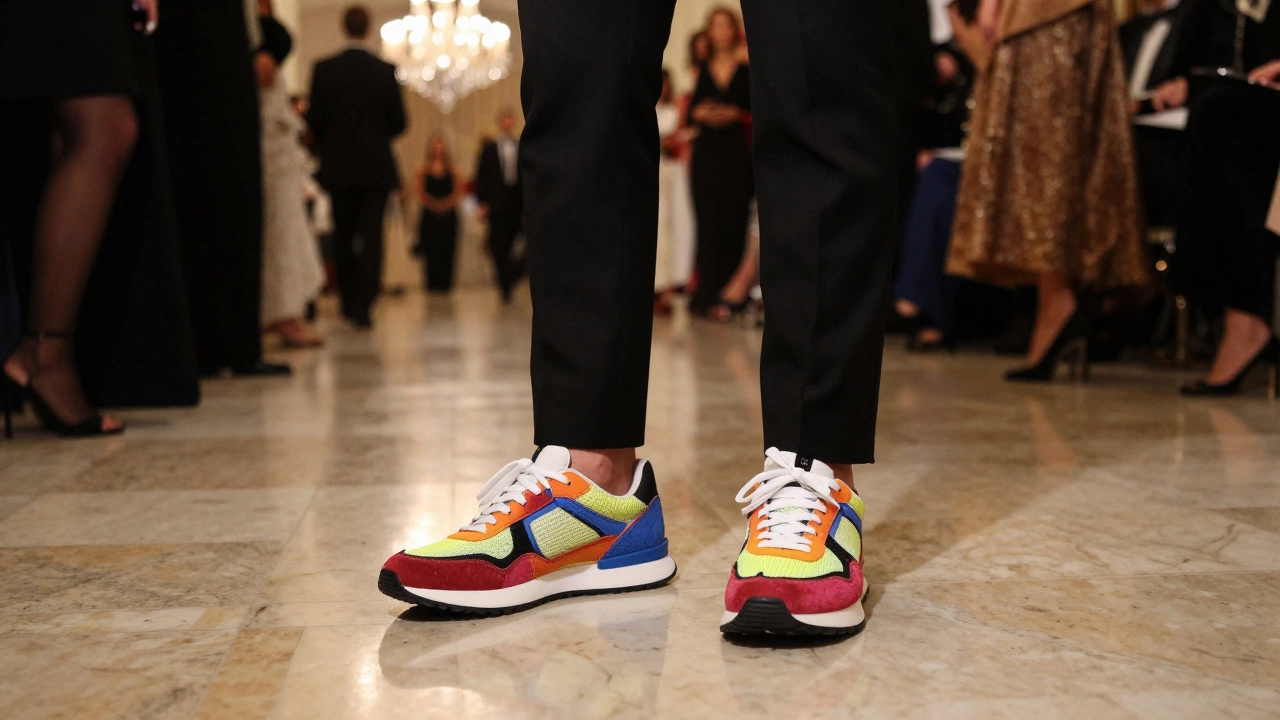
Sneaker Type Identifier
Not sure if your shoes are actually meant for the gym? Select the features that describe your sneakers to find out their primary category.
1. Material & Build
2. Sole Technology
3. Intended Use
4. Support Level
Your Shoe Analysis
Select some options above to analyze your sneakers.
The Quick Breakdown
- Technical sneakers are sportswear because they are engineered for specific physical activities.
- Lifestyle sneakers are fashion items that mimic the look of athletic gear.
- The transition from the track to the street is called "athleisure," a multi-billion dollar industry.
- Not all sneakers provide the support needed for actual sports.
Defining the Sneaker
To figure this out, we first need to define what we're talking about. Sneakers is a broad term for soft-soled shoes designed for comfort, typically featuring a rubber sole and a fabric or leather upper. Depending on who you ask, they might be called trainers in the UK, tennis shoes in the US, or runners in Australia. But at their core, sneakers were born from a need for grip and cushioning during physical exertion.
When we talk about Sportswear, we are referring to clothing and equipment specifically designed for athletic activities. This includes moisture-wicking fabrics, compression gear, and specialized footwear. By this definition, the original purpose of the sneaker is 100% sportswear. However, the sneakers we see today fall into two very different camps: performance and lifestyle.
Performance Gear vs. Fashion Statements
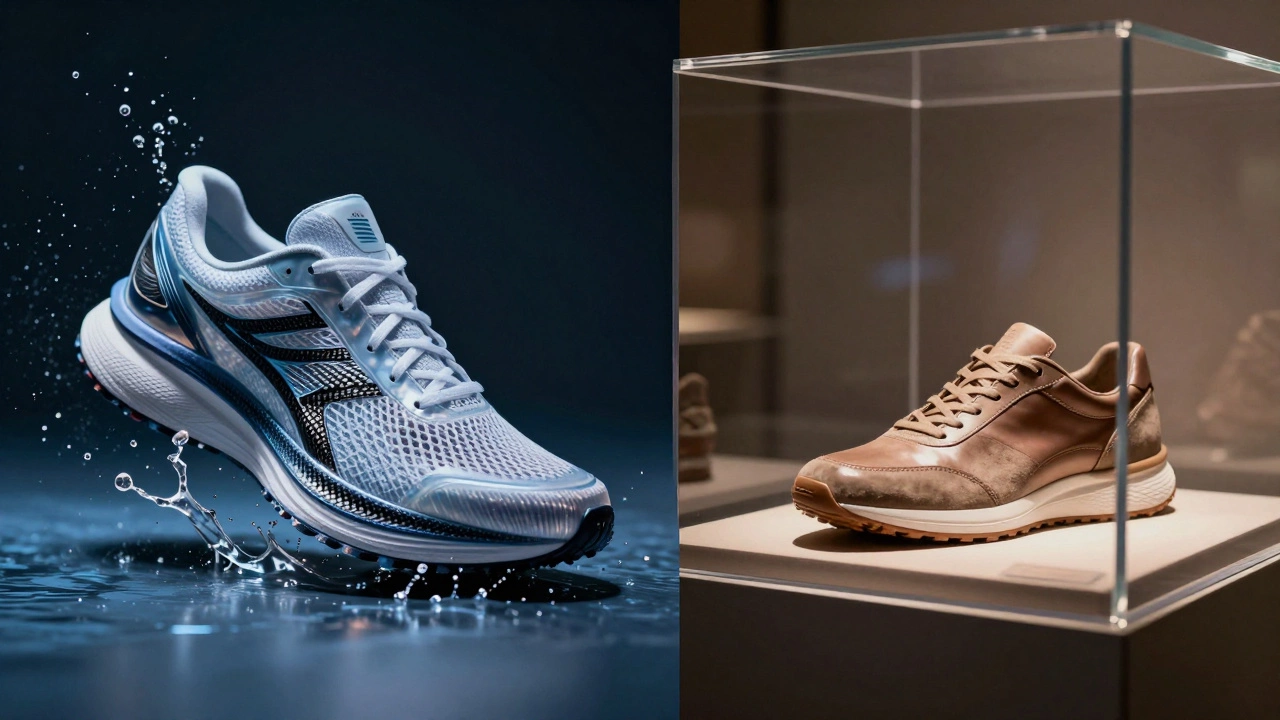
If you go to a professional track and field event, you'll see athletes wearing shoes that look like they're made of carbon fiber and air. Those are performance sneakers. They are designed with a specific goal: to make a human run faster or jump higher. They have attributes like energy return, lockdown stability, and minimal weight. In this context, the shoe is a piece of equipment, no different from a tennis racket or a rugby ball.
Then you have the shoes sitting in a collector's acrylic box. These are lifestyle sneakers. They might look like a basketball shoe from 1985, but they aren't meant for the hardwood. If you tried to play a full game of basketball in a pair of high-fashion sneakers, you'd likely twist an ankle because they lack the lateral support and torsional rigidity required for the sport. These aren't sportswear; they are fashion items that use the "language" of sports to look cool.
| Feature | Performance (Sportswear) | Lifestyle (Fashion) |
|---|---|---|
| Primary Goal | Injury prevention & efficiency | Aesthetics & comfort |
| Materials | Engineered mesh, carbon plates | Leather, suede, canvas |
| Sole Tech | Reactive foam, high traction | Flat rubber, decorative soles |
| Lifespan | Limited (foam degrades) | Long (meant for casual wear) |
The Rise of Athleisure
You can't talk about sneakers without mentioning Athleisure, which is a trend in fashion where clothing designed for workouts is worn in other settings, such as the workplace, school, or social occasions. This movement completely shifted the identity of the sneaker. It took the functionality of sportswear and blended it with the luxury of high fashion.
Why did this happen? It's a mix of cultural shifts and health awareness. In the 1980s, the jogging craze made athletic wear acceptable outside the gym. By the 2010s, the influence of Streetwear-a style born from skate and surf culture-pushed sneakers into the realm of status symbols. Now, brands like Nike and Adidas sell both a professional marathon shoe and a casual leather sneaker. One is a tool; the other is a garment.
Does the Material Matter?
If you're wondering if your specific pair counts as sportswear, look at the materials. Sportswear is defined by its utility. For example, if a shoe uses EVA Foam (Ethylene Vinyl Acetate), it's designed to absorb shock. That's a sportswear attribute. If it's made of heavy polished leather with no arch support, it's a fashion shoe.
Take a look at Running Shoes. A true running shoe is built to handle the specific biomechanics of a stride. They have a "drop" (the height difference between the heel and toe) to reduce strain on the Achilles tendon. A fashion sneaker usually has a flat profile because it's meant for standing or walking slowly, not for pounding the pavement at 5:00 AM.
The Psychology of the "Sneakerhead"
For some, sneakers have evolved beyond sportswear into a form of currency. This is where the Resale Market comes in. When a shoe's value is based on its rarity rather than its performance in a sport, it has officially left the sportswear category. Collectors aren't buying a tool to help them play basketball; they're buying a piece of art that represents a specific era of pop culture.
However, the irony is that the most desired fashion sneakers are often based on the most successful sportswear designs. The most famous sneakers in the world are often retired athletic models. This creates a loop where sportswear informs fashion, and fashion then funds the innovation of new sportswear.
Practical Tips for Choosing Your Pair
Since the lines are so blurry, how do you actually choose the right shoe for the right occasion? Here are a few rules of thumb to keep you from wearing the wrong gear:
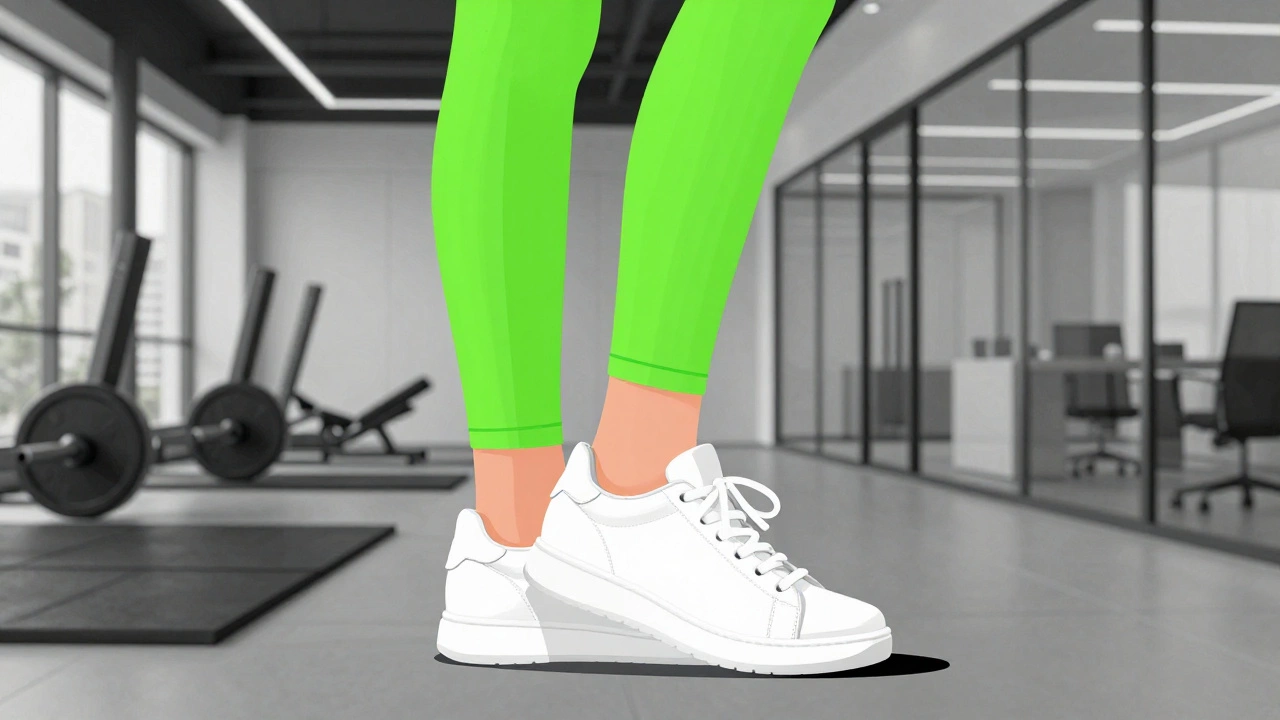
- For the Gym: Look for lateral stability. If you're lifting weights, a flat, hard sole is better than a squishy running shoe to ensure you don't wobble.
- For Running: Don't buy "lifestyle" runners. Go to a store that analyzes your gait. A shoe that looks like a runner but lacks support can lead to shin splints.
- For the Office: Stick to minimalist leather sneakers in neutral colors. These lean into the fashion side of the spectrum and pair better with chinos or skirts.
- For Basketball: Ensure there is high ankle support and a high-friction rubber outsole. Avoid "fashion' versions of basketball shoes if you actually intend to play.
Can I wear fashion sneakers for working out?
Generally, no. Fashion sneakers lack the necessary arch support, cushioning, and grip needed for athletic movement. Using them for high-impact workouts increases your risk of injury, such as ankle sprains or plantar fasciitis.
What is the difference between a trainer and a sneaker?
In many regions, these terms are used interchangeably. However, "trainer" often implies a shoe designed for training or gym work, while "sneaker" is a more general term that includes everything from casual walking shoes to high-fashion collectibles.
Why are some sneakers so expensive if they aren't for sports?
The price usually comes from brand prestige, limited production runs, and collaborations with designers or celebrities. You aren't paying for the technical performance of the materials, but for the cultural value and rarity of the item.
Are canvas shoes like Converse considered sportswear?
While they started as basketball shoes in the early 20th century, modern canvas shoes provide almost zero athletic support. Today, they are firmly in the lifestyle and fashion category.
How often should I replace my performance sneakers?
Most running and training shoes lose their effectiveness after 300 to 500 miles. Once the foam compresses and no longer bounces back, the shoe is no longer providing the protection that qualifies it as sportswear.
Final Thoughts on the Footwear Divide
So, back to the original question: Is a sneaker sportswear? The answer is: it depends on the shoe's intent. If the shoe exists to improve a human's athletic performance or protect them during a sport, it's sportswear. If it exists to look great with a pair of jeans, it's fashion. The beauty of the modern sneaker is that it can be both-provided you know which pair to lace up before you hit the gym.