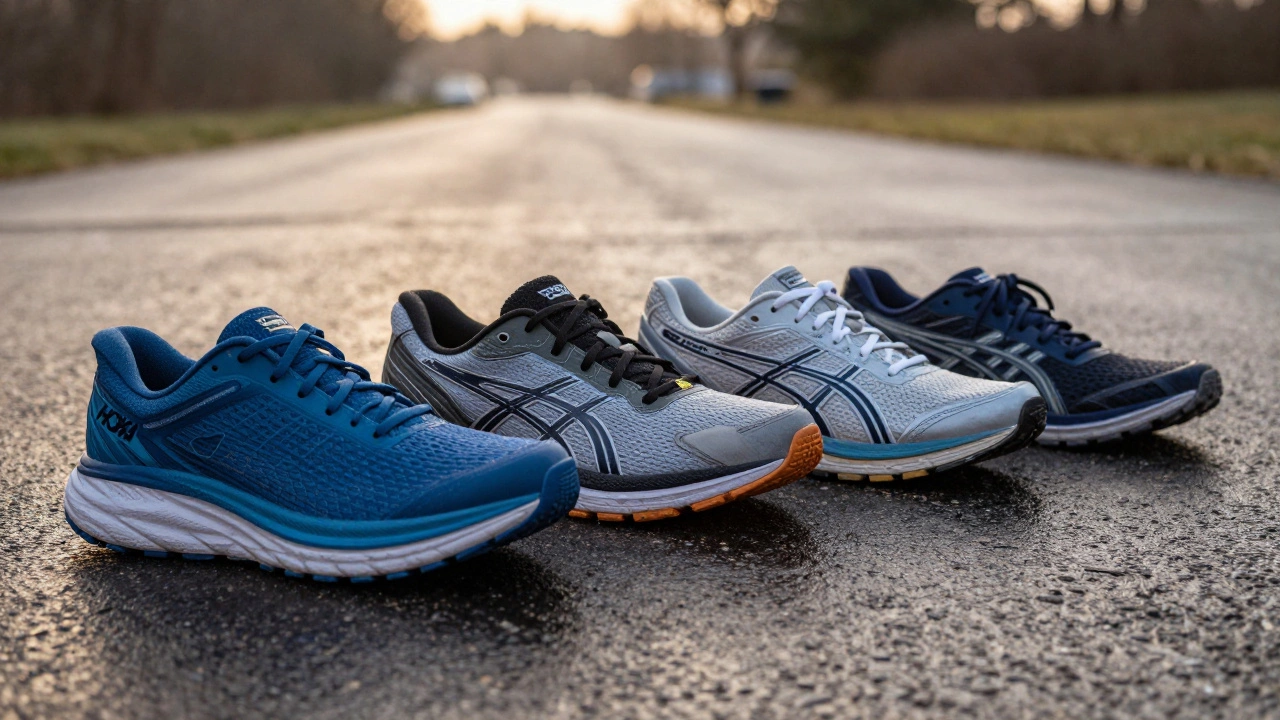
Not all running shoes are made the same. If you’ve ever finished a run with sore feet, achy knees, or blisters, the problem might not be your form or mileage-it could be your shoes. Choosing the right pair isn’t about brand names or flashy colors. It’s about matching your foot, your stride, and your goals to the right design. The best running shoe for someone else might be the worst for you.
What Makes a Running Shoe Different?
Running shoes aren’t just athletic sneakers. They’re engineered with specific layers: a cushioned midsole to absorb impact, a flexible outsole for grip, a supportive heel counter, and a breathable upper. These features aren’t optional-they’re science-backed responses to the forces your body faces when you run. Each step generates up to three times your body weight in impact. Without proper shock absorption, that force travels up your legs, leading to injuries like plantar fasciitis, shin splints, or stress fractures.
Modern running shoes fall into five main categories based on how they support your foot’s natural motion. Knowing these types helps you cut through marketing noise and find what actually works.
Neutral Cushioned Shoes
If your feet roll inward just a little-what’s called mild pronation-neutral cushioned shoes are your go-to. These shoes don’t try to correct your stride. They just give you soft, even cushioning from heel to toe. Think of them as the everyday sedan of running shoes: reliable, comfortable, and designed for smooth rides.
Brands like Hoka, Brooks Ghost, and Nike Pegasus dominate this category. They’re popular because they work for about 60% of runners. If you’ve never had foot pain from running, or your old shoes felt fine, you’re likely in this group. These shoes are great for beginners, long-distance runners, and anyone who runs on pavement or trails without needing extra support.
Stability Shoes
Stability shoes are for runners who overpronate-meaning their feet roll inward too much when they land. This can cause misalignment in the ankles and knees. Stability shoes don’t lock your foot in place. Instead, they add a firmer foam wedge or a medial post along the inner side of the midsole to gently guide your foot back into alignment.
Models like the Asics Gel-Kayano, Saucony Guide, and New Balance 860 are built for this. They’re heavier than neutral shoes, but that extra structure reduces strain on your joints. If you’ve been told you have flat feet, or you notice your shoes wear out faster on the inside edge, stability shoes could prevent long-term damage. They’re not for everyone, but if you need them, you’ll feel the difference within your first mile.
Motion Control Shoes
These are the heavy-duty option. Motion control shoes are designed for runners with severe overpronation or very flat feet. They’re stiff, rigid, and built to stop excessive inward rolling completely. You’ll notice the difference immediately-they feel less flexible and more like a support brace.
Brands like Brooks Adrenaline GTS (in their most supportive versions) and ASICS GT-2000 offer motion control features. These aren’t for casual runners. They’re for people who’ve tried stability shoes and still experience pain. If you’ve had recurring knee or ankle injuries and your orthopedist recommended extra support, this is your category. But if you’re not overpronating severely, these shoes can feel clunky and restrict your natural movement.
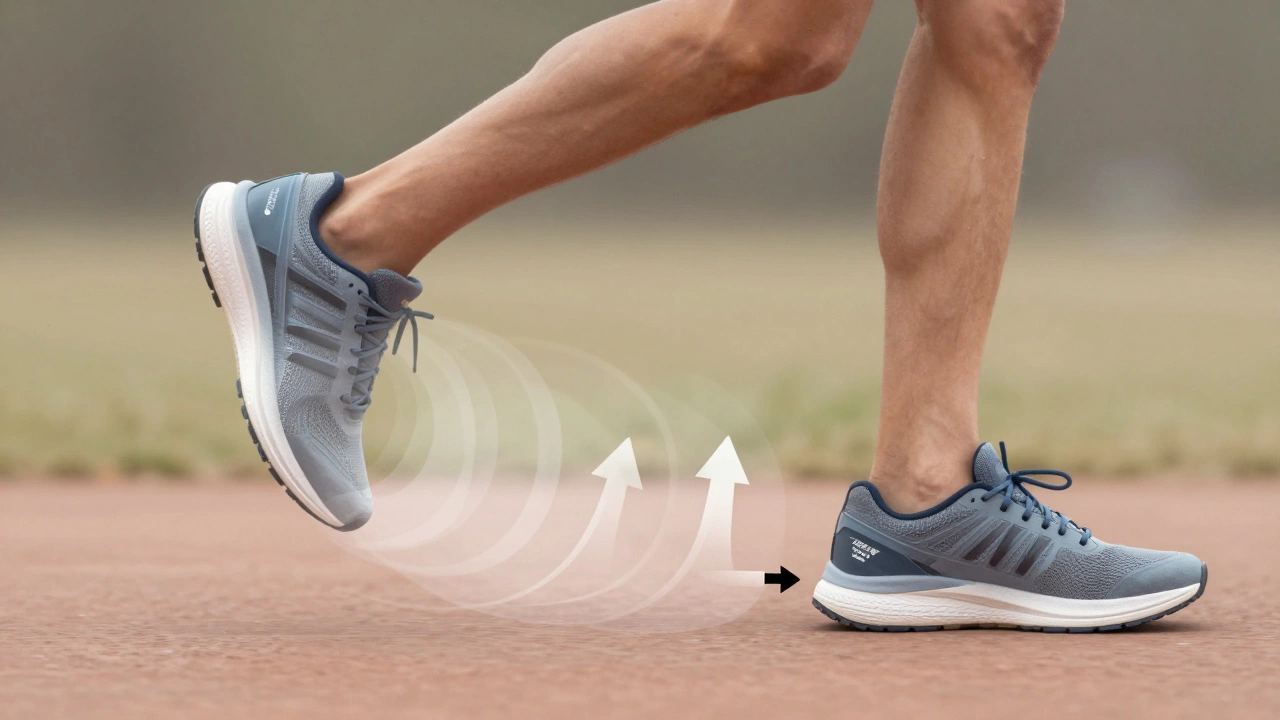
Minimalist and Barefoot Shoes
Minimalist shoes have thin soles, low heel-to-toe drop, and almost no cushioning. They’re designed to mimic running barefoot, forcing your foot muscles and tendons to do more of the work. Brands like Vibram FiveFingers, Merrell Vapor Glove, and Altra Zero Drop fall here.
These aren’t for everyone. In fact, most runners shouldn’t start with them. But if you’re rehabbing from injury, building foot strength, or training on soft surfaces like grass or sand, minimalist shoes can help. They’re popular among runners who want to improve form, reduce heel striking, or reconnect with a more natural stride. Transitioning to them takes months. Jumping in too fast leads to calf strains or plantar fascia overload.
Racing and Performance Shoes
These are the speed demons. Lightweight, responsive, and often packed with carbon fiber plates or ultra-bouncy foams like Nike’s ZoomX or Adidas’ Lightstrike Pro. They’re not meant for daily training. They’re built for race day-or fast interval sessions.
Shoes like the Nike Alphafly, Saucony Endorphin Pro, and New Balance FuelCell RC Elite are used by elite runners and serious amateurs aiming for personal bests. They’re expensive, often over $250, and wear out quickly-maybe after 200-300 miles. But if you’re training for a half-marathon or marathon and want to shave minutes off your time, they deliver. They’re not for beginners or daily miles. Use them sparingly, and only after you’ve built a solid base in a more supportive shoe.
How to Pick the Right One for You
There’s no magic formula. But here’s how to narrow it down:
- Look at your old shoes. Lay them flat. Is the wear pattern even across the sole? That’s neutral. Is the inside edge worn down? That’s overpronation. Is the heel worn on the outside? That’s supination-a less common issue that may need a different kind of support.
- Visit a specialty running store. Not a big-box retailer. Go somewhere with staff who actually run. They’ll watch you walk and run on a treadmill, check your arch height, and measure your foot width. Many offer gait analysis for free.
- Test before you buy. Don’t buy online unless you’ve worn the exact model before. Try on multiple pairs. Walk around the store. Jump. Run in place. Your foot should feel secure but not squeezed. There should be a thumb’s width of space between your longest toe and the front.
- Consider your terrain. Road runners need durable outsoles. Trail runners need aggressive treads and toe protection. If you run on gravel, dirt, or mud, a road shoe won’t cut it.
- Replace every 500-800 kilometers. Cushioning breaks down long before the outsole wears out. If your shoes are over a year old and you run regularly, they’re probably done.

What to Avoid
Don’t buy shoes based on what your friend uses. Don’t chase the most expensive pair. Don’t assume more cushioning means more comfort. And don’t ignore pain. If your heel hurts after two runs, don’t tough it out-your shoes might be the cause.
Also, avoid buying shoes that are too big to fit orthotics. Many runners assume they need inserts, but a properly fitted shoe often eliminates the need. If you do need orthotics, choose a shoe with a removable insole and a wide enough toe box to accommodate them.
Real-World Examples
Meet Sarah, 34, runs 30 kilometers a week on Sydney’s coastal paths. She has high arches and no pain. She wears Hoka Clifton-neutral, cushioned, light. Perfect fit.
James, 42, runs 50 kilometers a week but keeps getting shin splints. His shoes show heavy inner wear. He switched from a neutral shoe to the Brooks Adrenaline GTS. Within two weeks, the pain faded.
Lena, 28, just started running. She bought a flashy racing shoe because it looked cool. After three runs, her calves burned. She switched to a basic neutral shoe. Now she runs pain-free.
Each of them needed something different. That’s the point.
Final Thought: It’s About Your Body, Not the Ad
The best running shoe is the one that lets you run without pain, keeps you injury-free, and makes you want to lace up again tomorrow. It doesn’t have to be the newest model. It doesn’t have to be the most popular. It just has to work for you.
Don’t overthink it. Don’t overpay. Just listen to your body. Try a few options. Walk, run, test. The right pair will feel like it was made for your feet-even if no one else has the same pair.
Are expensive running shoes worth it?
Not always. High-end racing shoes with carbon plates can help elite runners go faster, but they’re not necessary for daily training or casual runners. For most people, a well-fitted shoe in the $120-$180 range performs just as well over time. What matters more than price is fit, function, and how your body responds to it.
Can I use running shoes for walking?
Yes, and many people do. Running shoes offer more cushioning and support than most walking shoes, making them a great choice for long walks or daily commutes. Just make sure they’re not worn out-running shoes that have lost their bounce can cause discomfort even during walking.
How often should I replace my running shoes?
Most runners need new shoes every 500 to 800 kilometers. That’s roughly every 6 to 12 months if you run 3-5 times a week. The foam in the midsole breaks down long before the outsole wears out. If your shoes feel flatter, less responsive, or you start getting new aches, it’s time to replace them-even if they still look fine.
Do I need orthotics with my running shoes?
Most runners don’t. Many foot issues can be fixed by choosing the right shoe type-like stability shoes for overpronation. Orthotics are usually only needed if you have a structural issue like a significant leg length difference, severe flat feet, or a history of chronic injury. If you think you need them, get fitted by a podiatrist, not a shoe store clerk.
Should I buy running shoes online?
Only if you’ve worn that exact model before. Online shopping is risky because fit varies wildly between brands and even between models from the same brand. A size 9 in Nike might feel like an 8.5 in Asics. Always try shoes on in person first. If you buy online, choose a retailer with a good return policy and test them on short runs before committing.