Equipment Ownership in Horse Sports: What You Need to Know
When you talk about equipment ownership, the responsibility and cost of owning and maintaining gear used in horse sports like racing, show jumping, or dressage. Also known as horse gear ownership, it’s not just about buying the latest saddle or boots—it’s about understanding what lasts, what doesn’t, and what actually makes a difference for you and your horse. Many riders think spending more means better performance, but that’s not always true. A $500 saddle won’t help if it doesn’t fit your horse’s back, and expensive boots won’t stop you from slipping if the tread is worn out. Ownership means knowing when to replace, when to repair, and when to walk away from flashy gear that does nothing but drain your wallet.
Real equestrian equipment, the tools and gear used by riders and handlers in competitive and recreational horse sports—like bridles, girths, helmets, and hoof boots—need regular checks. A cracked helmet might look fine, but one fall could turn it into a liability. Same with stirrup leathers that stretch over time or a saddle pad that loses its padding after six months of heavy use. You don’t need to buy new gear every season, but you do need to know the signs of wear. Most riders don’t realize their saddle is causing back pain in their horse until it’s too late. That’s why checking gear isn’t a chore—it’s part of your daily routine, like feeding or grooming.
Then there’s the horse racing gear, specialized equipment used in flat racing, jump racing, and training, including blinkers, numbs, and racing saddles. It’s different from show gear. A racing saddle weighs next to nothing and sits low on the horse’s back, while a dressage saddle has deep seats and long flaps. Mixing them up doesn’t just look wrong—it can hurt performance. And let’s not forget the little stuff: nosebands that rub, girth straps that fray, and boots that don’t stay on. These aren’t just annoyances—they’re safety risks. One loose boot during a gallop can throw off your balance, and a broken buckle could mean a fall. Ownership means being the person who notices those tiny details before they become big problems.
What’s missing from most advice? The cost breakdown. Most guides tell you what to buy, but few say how much it should cost over time. A decent set of riding boots lasts 2–3 years if you rotate them. A quality saddle can last a decade with proper care. Helmets? Replace every 5 years, even if they look fine—materials degrade. And don’t forget storage. Damp stables ruin leather. Sunlight cracks synthetic materials. This isn’t rocket science, but it’s rarely talked about. The people who save money in horse sports aren’t the ones who buy the cheapest gear—they’re the ones who maintain what they have.
You’ll find posts here that cut through the noise. No fluff. No sponsored gear lists. Just real talk from riders who’ve lost equipment, broken gear, and learned the hard way what actually matters. Whether you’re new to the sport or have been riding for years, you’ll find answers about what to invest in, what to skip, and how to make your gear last longer. This isn’t about having the fanciest kit—it’s about having the right kit, and knowing how to take care of it.
Published on Dec 1
0 Comments
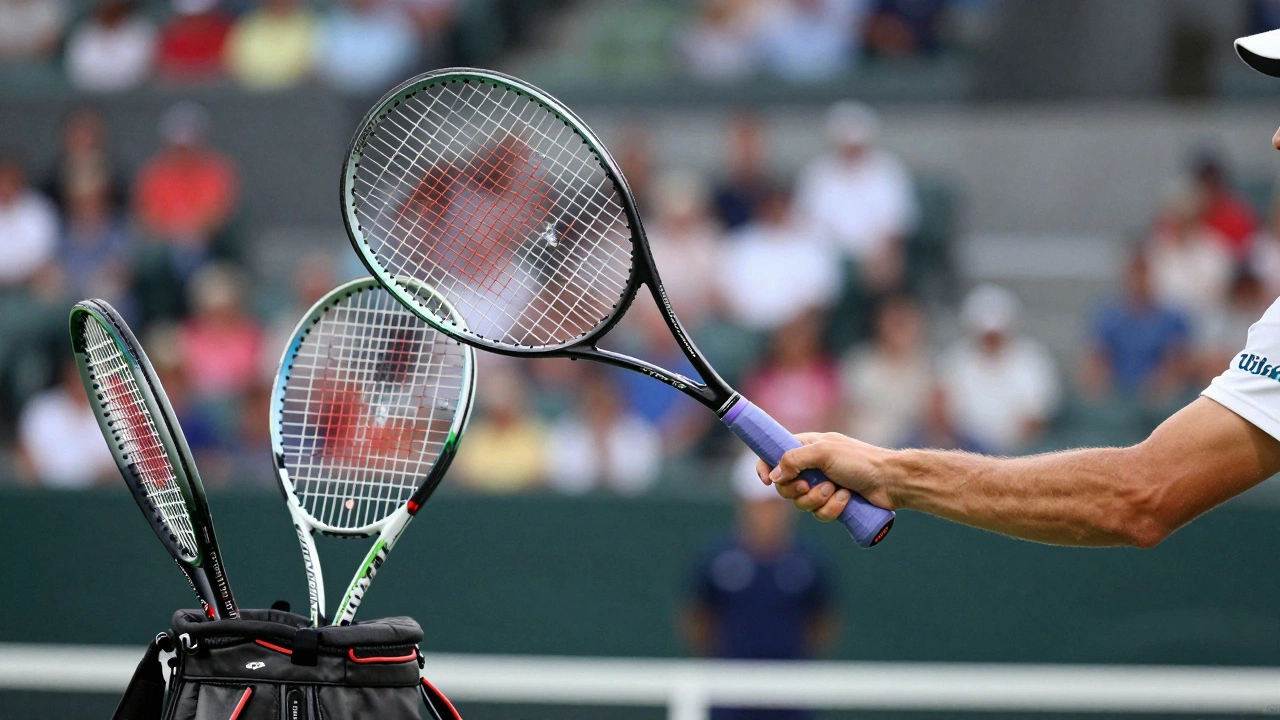
Do athletes use their own equipment? Most pros don’t own it - they get it from sponsors. But they customize it heavily and keep backups. Here’s what really goes on behind the scenes with sports gear.