Swimming Frequency Calculator
Personalized Recommendations
This tool helps you determine the ideal swimming frequency based on your experience, schedule, and physical condition.
Your Recommended Swimming Frequency
Based on your experience, schedule, and physical condition
Why this frequency works: This recommendation balances progress with recovery to prevent injury and burnout.
Swimming is one of the best full-body workouts you can do - low impact, great for your heart, and surprisingly easy on your joints. But if you’re just starting out, you might be wondering: how often should a beginner swim? The answer isn’t one-size-fits-all, but there’s a clear, practical range that works for most people.
Start with 2-3 times a week
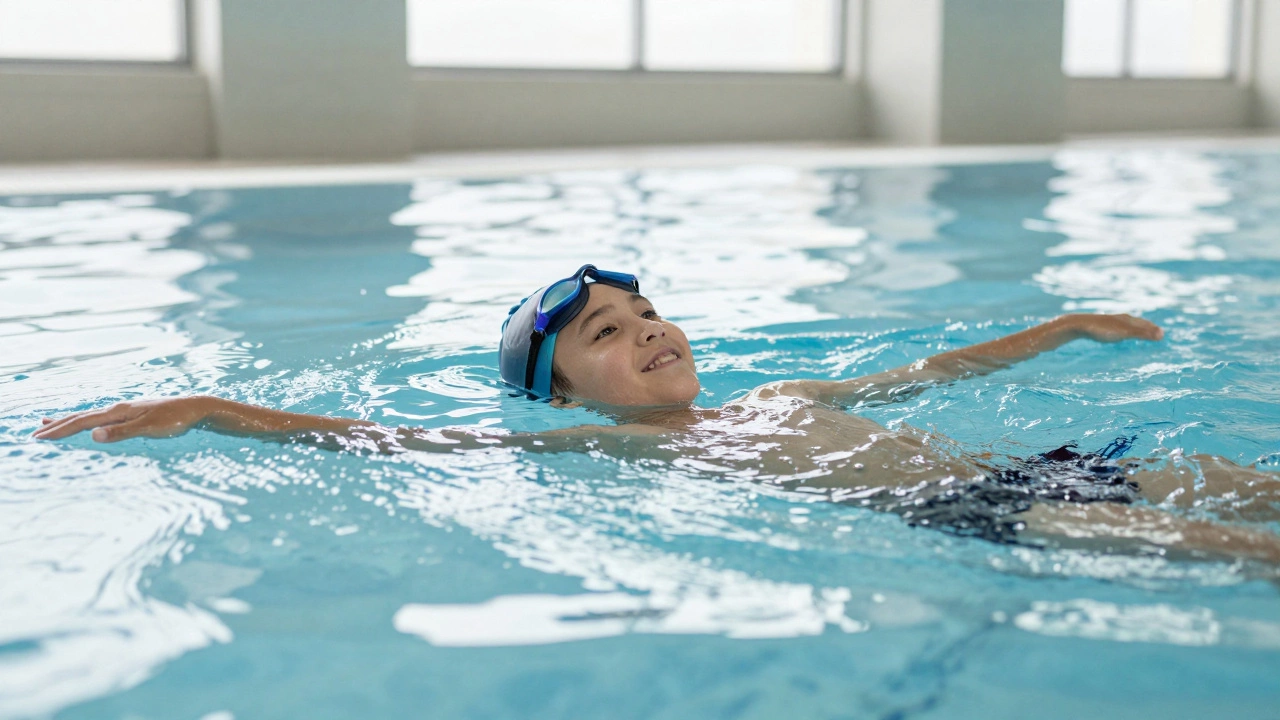
If you’ve never swum before or haven’t been in the water in years, aim for two to three sessions per week. That’s enough to build confidence without burning out. Each session doesn’t need to be long - 20 to 30 minutes is perfect at first. Focus on getting comfortable in the water, learning to breathe properly, and moving your arms and legs in sync. Don’t try to swim laps right away. Just float, kick, and practice gliding. These small wins add up fast.
Many beginners make the mistake of going too hard, too soon. They jump into a 45-minute workout on day one and end up sore, tired, or even scared of the water. That’s not progress - that’s discouragement. Swimming is about rhythm, not intensity, especially at the start.
Why not swim every day?
You might think swimming daily is the fastest way to improve. But for beginners, that’s a trap. Unlike running or cycling, swimming uses muscles you don’t normally engage. Your shoulders, core, and even your back are working harder than you realize. If you swim every day without rest, you risk overuse injuries - especially in the rotator cuff. Shoulder pain is one of the most common reasons new swimmers quit.
Also, swimming requires mental focus. You’re coordinating breathing, arm strokes, leg kicks, and body position all at once. That’s exhausting. Giving yourself 48 hours between sessions lets your brain and body reset. You’ll come back stronger, not just more tired.
What if you can only swim once a week?
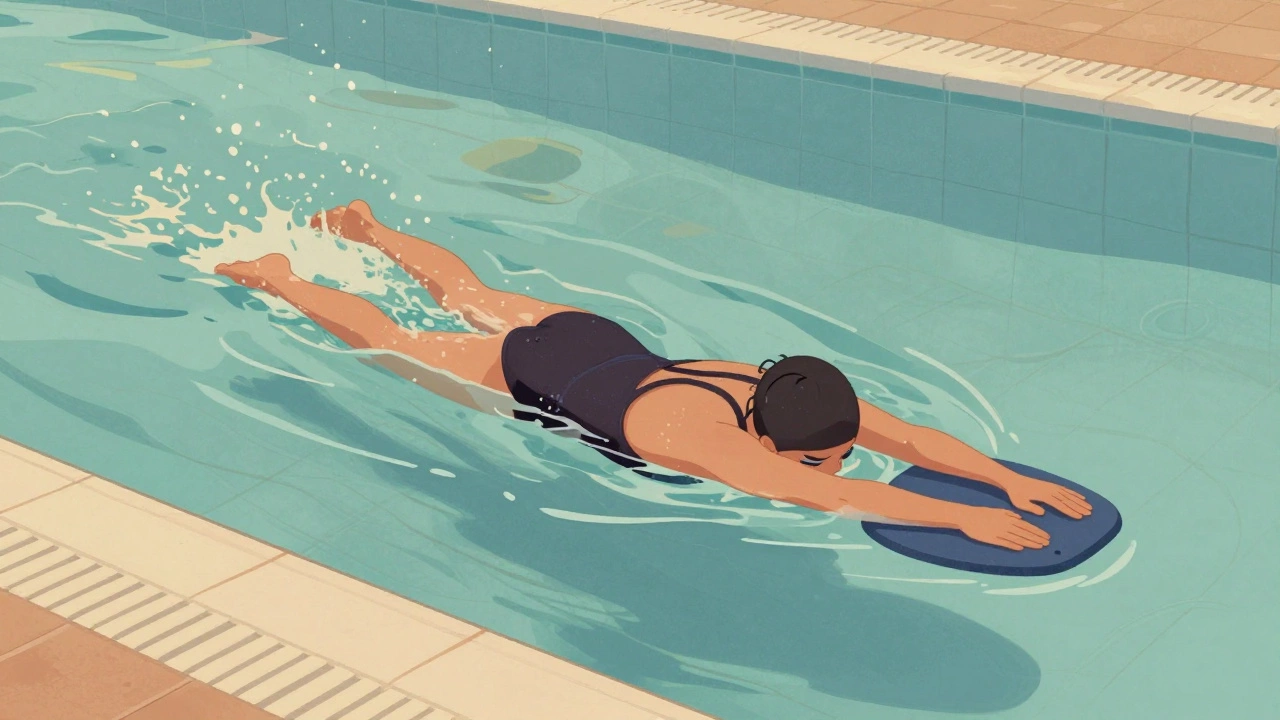
Even one session a week is better than nothing. You’ll still build endurance, reduce stress, and improve your coordination. But progress will be slower. If you’re limited to one day, make it count. Extend your session to 40-45 minutes. Focus on technique drills: floating, kicking with a board, practicing exhaling underwater. These drills help you get more out of each minute in the water.
Some people in Sydney swim once a week because of work or family schedules. That’s fine. You don’t need to swim like a competitive athlete to get real benefits. Just stay consistent. Even one session a week keeps your body used to the water, which makes it easier to pick up again when you can swim more.
How to know if you’re ready to swim more
You’ll know it’s time to increase frequency when:
- You’re not sore for days after swimming
- You can swim 25 meters without stopping
- You feel energized after a session, not drained
- You look forward to your next swim
When those signs show up, try adding a fourth session. But don’t rush. Three times a week is ideal for most beginners. Four is great if you’re motivated and your body feels strong. Five or more? That’s for people training for races or competitions - not for someone just learning to swim.
What to do on non-swimming days
You don’t have to sit still on days off. Light movement helps your body adapt. Try walking 20 minutes, doing light stretching, or even just doing arm circles and shoulder rolls. These keep your muscles loose without adding strain. Some beginners also do bodyweight exercises like planks or squats to build core strength - which makes swimming easier.
One thing to avoid: intense weightlifting or high-impact cardio on rest days. You’re still building new movement patterns. Your body needs recovery more than extra stress.
Common beginner mistakes
Here’s what trips up most new swimmers:
- Skipping warm-ups - even five minutes of arm swings and leg kicks helps
- Trying to learn all strokes at once - start with freestyle, then add backstroke
- Not using goggles - if you can’t see, you’ll panic
- Comparing yourself to others - everyone starts somewhere
- Waiting until they’re "ready" - there’s no perfect time to begin
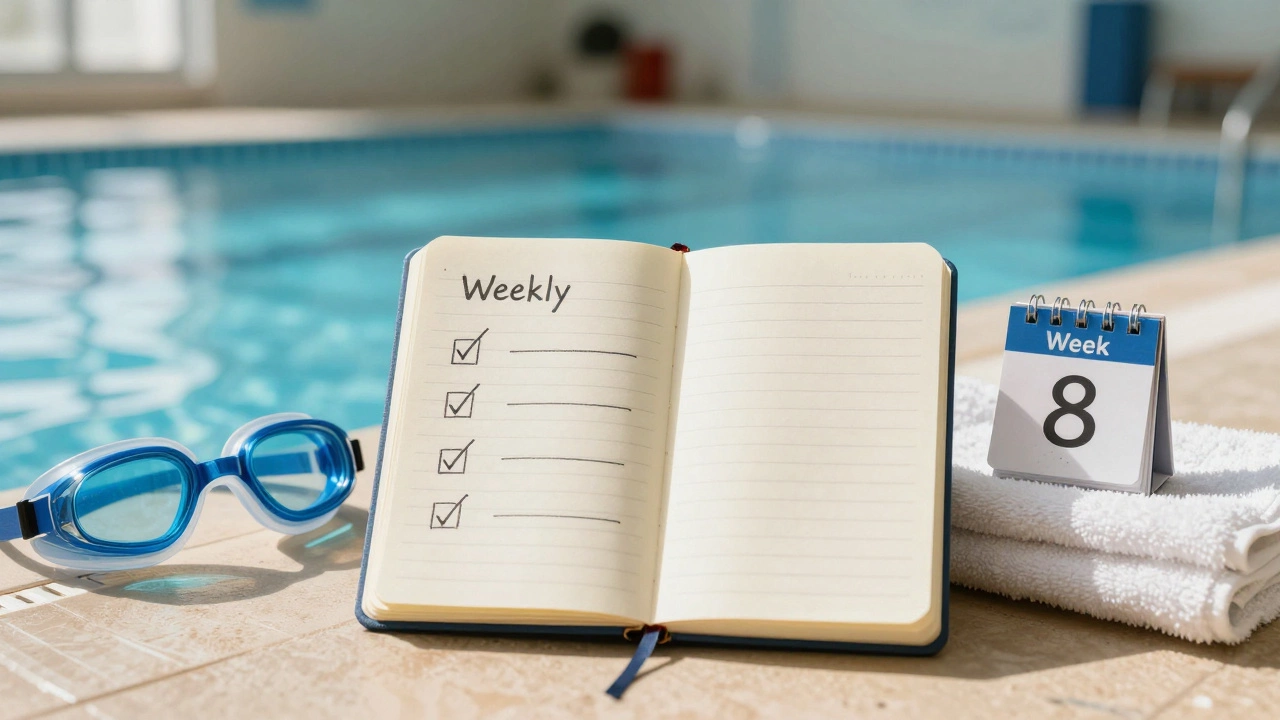
Most people who quit swimming do so because they expected quick results. Swimming isn’t like running - you won’t feel like a pro after two weeks. But after eight weeks of 2-3 sessions a week? You’ll be surprised at how far you’ve come.
Realistic timeline for progress
Here’s what most beginners experience:
- Week 1-2: Just getting used to the water. You might only swim 10-15 meters at a time.
- Week 3-4: You can swim 25 meters without stopping. Breathing feels less awkward.
- Week 5-6: You’re swimming 50 meters comfortably. You start enjoying the rhythm.
- Week 7-8: You can swim 100 meters without pausing. You’re looking forward to your next session.
That’s not magic. That’s consistency. And it only takes 2-3 swims a week to get there.
Final advice: Listen to your body
There’s no rule that says you must swim three times a week. If you’re tired, skip a day. If you’re feeling great, add an extra session. The goal isn’t to hit a number - it’s to build a habit you enjoy. Swimming should feel like a break from the world, not another chore.
And if you live in Sydney like most locals, you’ve got access to pools year-round. Even in winter, indoor pools are warm and quiet. No excuses. Just get in the water. Start slow. Stay regular. You’ll be amazed at what your body can do.
Is it okay to swim every day as a beginner?
It’s not recommended for beginners. Swimming every day increases the risk of shoulder strain and mental burnout. Your body needs time to recover from the new movements. Stick to 2-3 times a week until you’ve built strength and confidence.
How long should each beginner swimming session last?
Start with 20-30 minutes. Focus on technique, not distance. As you get more comfortable, you can gradually extend sessions to 40-45 minutes. Quality matters more than length in the beginning.
Can I learn to swim without lessons?
Yes, you can learn on your own, but lessons speed things up dramatically. A good instructor can fix bad habits before they become permanent. If you’re nervous, try a group class - most pools offer beginner sessions designed for adults with zero experience.
What gear do I need as a beginner swimmer?
Just two things: a well-fitting swimsuit and a pair of goggles. Goggles are non-negotiable - you need to see clearly underwater. A swim cap helps if you have long hair, but it’s not required. No need for fins, kickboards, or other gear at first.
I’m afraid of deep water. How do I get over it?
Start in the shallow end. Practice standing in waist-deep water, then chest-deep. Get used to the feeling of floating. Use the pool wall for support. Most fear comes from not being in control. Small steps - like blowing bubbles underwater - build confidence. You don’t need to swim laps to feel safe.